5 Dog Nose Facts You Probably Didn't Know
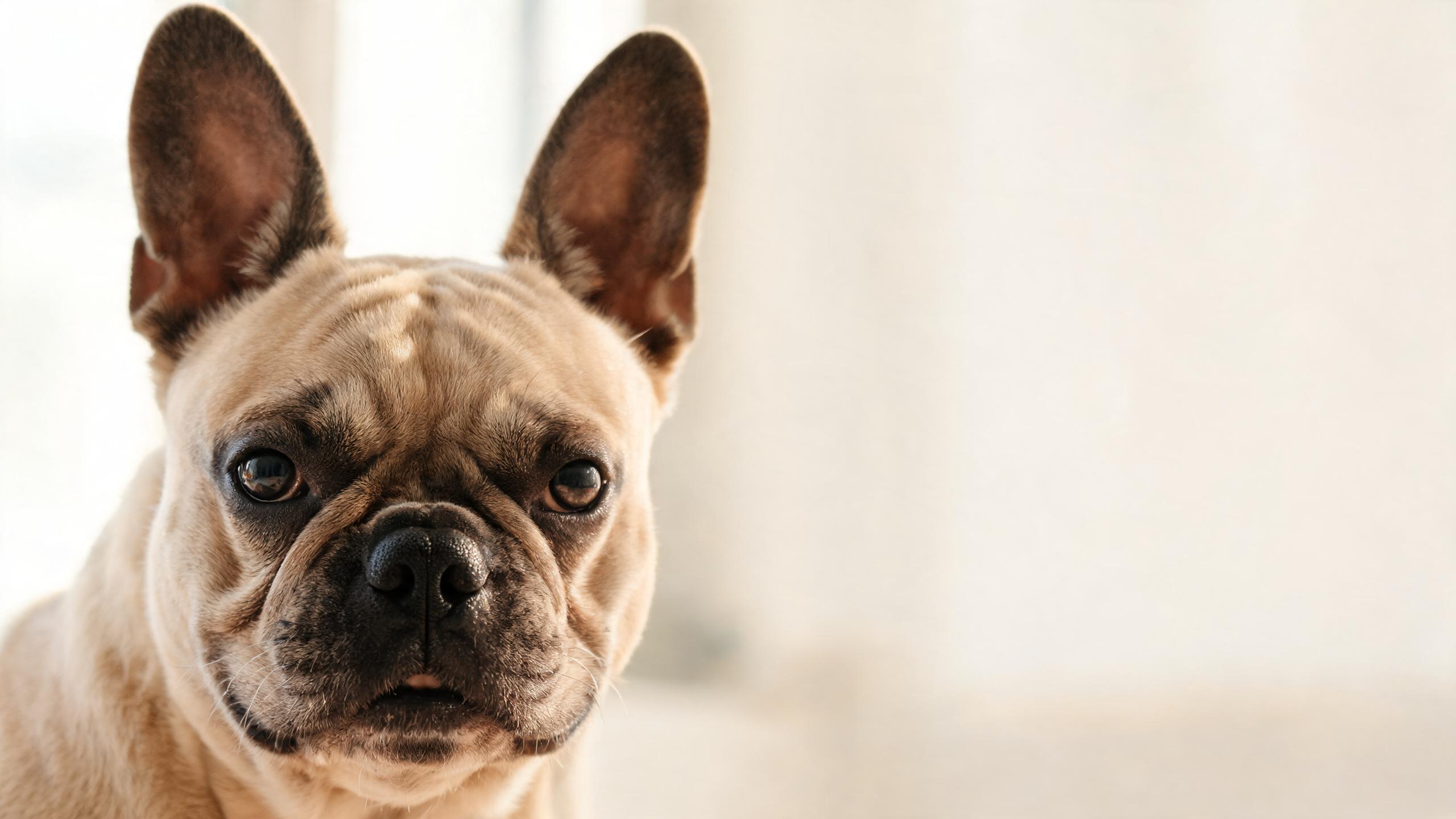
Your dog's nose is a feat of biological engineering. Here are five fascinating facts about how dogs smell the world — and why it matters for their happiness.
We tend to think of dogs as seeing the world the way we do, just lower down. In truth, your dog experiences life primarily through their nose, and what that nose can do is genuinely astonishing. Understanding it is not just good trivia — it changes how you walk, play with and enrich your dog. Here are five facts that might make you look at that wet snout with new respect.
1. A dog's sense of smell is in a different league
Dogs have up to around 300 million scent receptors in their noses, compared with roughly 5 to 6 million in humans. The part of a dog's brain devoted to analysing smells is, proportionally, vastly larger than ours. Estimates vary, but a dog's sense of smell is often described as tens of thousands of times more sensitive than a person's. Where we might notice a spoonful of sugar in a cup of tea, a dog could, in effect, detect a tiny trace of it in a swimming pool.
2. Dogs can smell and breathe at the same time
When your dog gives something a really thorough sniff, they are not just inhaling normally. Dogs have a clever fold of tissue inside the nose that separates air for breathing from air for smelling. This lets them keep a continuous stream of scent flowing over their scent receptors even as they breathe — part of why they can sniff so intently for so long.
3. Those side slits are doing important work
Look closely at your dog's nostrils and you will see slits on the sides. Dogs breathe in through the front of the nostrils but breathe out through those side slits. This neat bit of design pushes used air out sideways without disturbing the new scent coming in — and even helps stir up more odour from the ground for the next sniff.
4. Each nostril smells independently
Dogs can smell in "stereo". The left and right nostrils gather scent information slightly separately, which helps a dog work out where a smell is coming from and follow a trail with remarkable accuracy. It is one reason a tracking dog can follow a scent across complicated ground.
5. A dog's nose print is one of a kind
Just like human fingerprints, the pattern of ridges and creases on a dog's nose is unique to each individual. No two dogs share the same nose print — a lovely reminder of just how individual your dog really is.
Why this matters for everyday life
All of this is more than a party trick. Because smell is your dog's primary sense, letting them use their nose is one of the kindest forms of enrichment there is. A walk where your dog gets to stop and sniff is mentally rich and satisfying in a way a brisk march is not. Scent games at home — hiding treats, scattering kibble in the grass, or simple "find it" games — tap into this superpower and tire a dog out happily.
So next time your dog stops dead to investigate a single patch of pavement, try to be patient. To them, that patch is the morning news, the local gossip and a detailed map of who has been past, all rolled into one.
Keeping that incredible nose — and the dog behind it — healthy
A working nose is part of a healthy, happy dog, and good all-round care keeps your dog at their best. A balanced diet that includes omega-3 fatty acids provides nutritional support for brain and overall health as part of a healthy lifestyle, and supports a glossy coat from nose to tail. If anything ever seems off with your dog's nose — persistent discharge, bleeding or a change in appearance — it is always worth a vet check.
If you would like to support your dog's everyday wellbeing from the inside, PetJesty's Vegan Omega 3, 6 and 9 Algae Oil is a clean, mercury-free source of DHA with no fishy smell — fitting, perhaps, for the most discerning nose in the house.