5 Quick Dog Obedience Training Tips
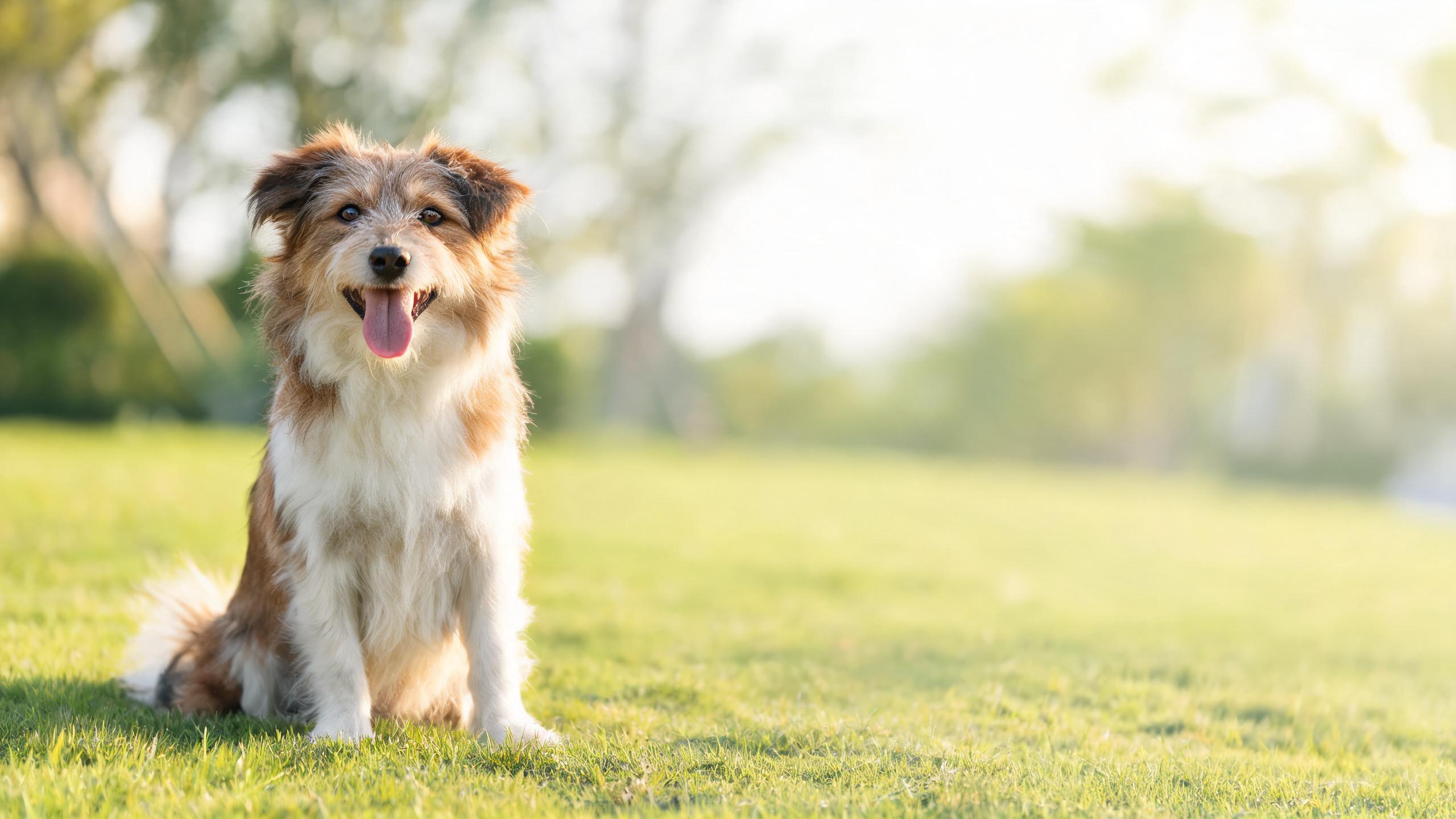
Want a safer, happier dog? These 5 practical obedience training tips build trust and skills fast. From high-value treats to vet prep, get real results without the hassle.
You've been there. Leash in hand, your dog spots a cat across the street and yanks like their life depends on it. Heart pounding, you pray they listen. Good obedience isn't just about showing off at the dog park – it's the difference between chaos and control. And honestly, it can save their life.
Quick Takeaways
- Start training ASAP: Puppies or adults, early habits stick forever.
- High-value rewards rule: Find what lights your dog up, from treats to toys.
- Keep it fun: Games beat drills every time.
- Consistency is king: Same cues, positive vibes only – no punishment.
- Prep for vet visits: Make the clinic a treat zone, not a terror spot.
Why Obedience Training Beats Tricks Any Day
Sure, teaching your dog to high-five is cute. But basic commands? They're lifesavers. Think about recall – that rock-solid "come" that pulls them back from traffic or a nasty fight with another dog. Or drop it, snatching a toxic toad or pill bottle from their jaws.
I've watched owners panic as their pup chews on something deadly. A 2017 study from the University of Pennsylvania's School of Veterinary Medicine found dogs with strong obedience skills were 40% less likely to end up in emergency rooms for ingestions or run-ins. That's not fluff – that's data.
And it goes beyond safety. A trained dog chills at the vet, letting docs check them without a wrestling match. Sound familiar? We've all had that appointment where the exam room turns into a battlefield.
> Good obedience isn't about perfection. It's about trust that lets you both relax.
Here's the thing: Training builds your bond. You're not bossing them around; you're teaming up. Not gonna lie, I get annoyed at old-school trainers pushing dominance games. Positive methods work better and keep everyone happy.
Want to support your pet's skin, coat, and joints naturally? Try PetJesty's Vegan Omega Oil — 100% plant-based, developed with vets.
Tip 1: Jump In Early, No Excuses
New puppy? Day one, you're training. Adult rescue? Assess what they know first – maybe sit's solid, but stay needs work.
Starting young imprints behaviors deep. Pups have brains like sponges; by 16 weeks, they're wiring habits for life. But adults catch on quick too, especially with patience.
And if you're late to the game? No sweat. Short sessions, 5-10 minutes, twice a day. Consistency trumps marathon drills. I've seen a hyper lab mix go from puller to polite walker in two weeks this way.
Tip 2: Hunt for That Million-Dollar Reward
Food? Toys? Belly rubs? Test it out. Not every dog drools for kibble – some live for a squeaky ball chase.
Figure their top motivators, then layer them. Jackpot a flawless recall with chicken bits or their favorite toy. Everyday sits? A pat and praise. Levels keep them guessing and eager.
Pro move: Fade treats over time. Start every time, then random. A Journal of Applied Animal Welfare Science piece from 2019 showed variable rewards boost retention by 25% – dogs stay sharp.
But mix it up. One dog's dream is another's dud. Watch their eyes light up; that's your gold.
Matching Rewards to Skills
- Life-savers like recall or drop it: Prime steak or epic play.
- Basics like sit/stay: Standard treats.
- Polishing tricks: Voice praise alone.
Tip 3: Turn Sessions into Playtime
School was brutal with boring teachers, right? Same for dogs. Dull drills? Yawns and bailouts.
Make it a party. Games like "puppy ping-pong" – you and a pal call them back and forth with treats. Or hide-and-seek for recall. Laugh, cheer, keep energy high.
Positive reinforcement shines here. Reward good stuff, ignore the meh. Punishment? Tanks trust fast. Dogs shut down or get sneaky.
Ever tried chasing a naughty pup? Makes it worse. Redirect with fun instead.
Tip 4: Stick to Your Guns – Consistency Wins
Pick simple cues: "Sit," not "park your butt." Use the same word every time, every place. No "sit down" one day, "butt" the next – confusion city.
Don't overload their name either. It's for attention or recall, not every command.
And rewards only. Skip corrections; they poison cues. Say "sit" turns scary? Dog ignores it forever.
Short, daily practice. 80% success rate before upping ante. Track progress in a notebook – you'll see gains quick.
One mildly opinionated take: If your cue's not working, change it. Blaming the dog? That's on you.
Tip 5: Vet Visits Without the Drama
Nobody loves the clinic. Cold tables, strangers poking. But you can flip the script.
"Happy visits" are genius. Pop in sans appointment: treats from staff, quick weigh-in, pets, out. Repeat weekly. Soon, vet = jackpot.
At home, mimic handling. Touch paws, ears, mouth – pair with goodies. Build comfort.
A well-adjusted dog means smoother checkups, faster diagnoses. Less stress for all.
And tie it to health routines. Active training means more play, so joints stay limber. That's where something like PetJesty's Vegan Omega 3, 6 & 9 Algae Oil from Royal Pet helps – supports mobility for those zoomies without fishy burps.
Putting It All Together for Lasting Results
Grab treats, set a timer, start small. Recall in the yard, drop it with toys. Build from there.
Expect setbacks. Pups test boundaries; adults have baggage. Patience pays off.
But look, most owners quit too soon. Stick it out – by month two, you'll have a dog that listens off-leash. Safer walks, calmer house, deeper connection.
I've chatted with dozens of folks whose lives changed post-training. Less yelling, more tail wags.
That's the goal. Train smart, love hard. Your dog thanks you with loyalty that shines.
Keeping pets thriving is our jam here at Royal Pet – from training tips to tail-wagging supplements.