6 Holiday Plants Toxic to Cats
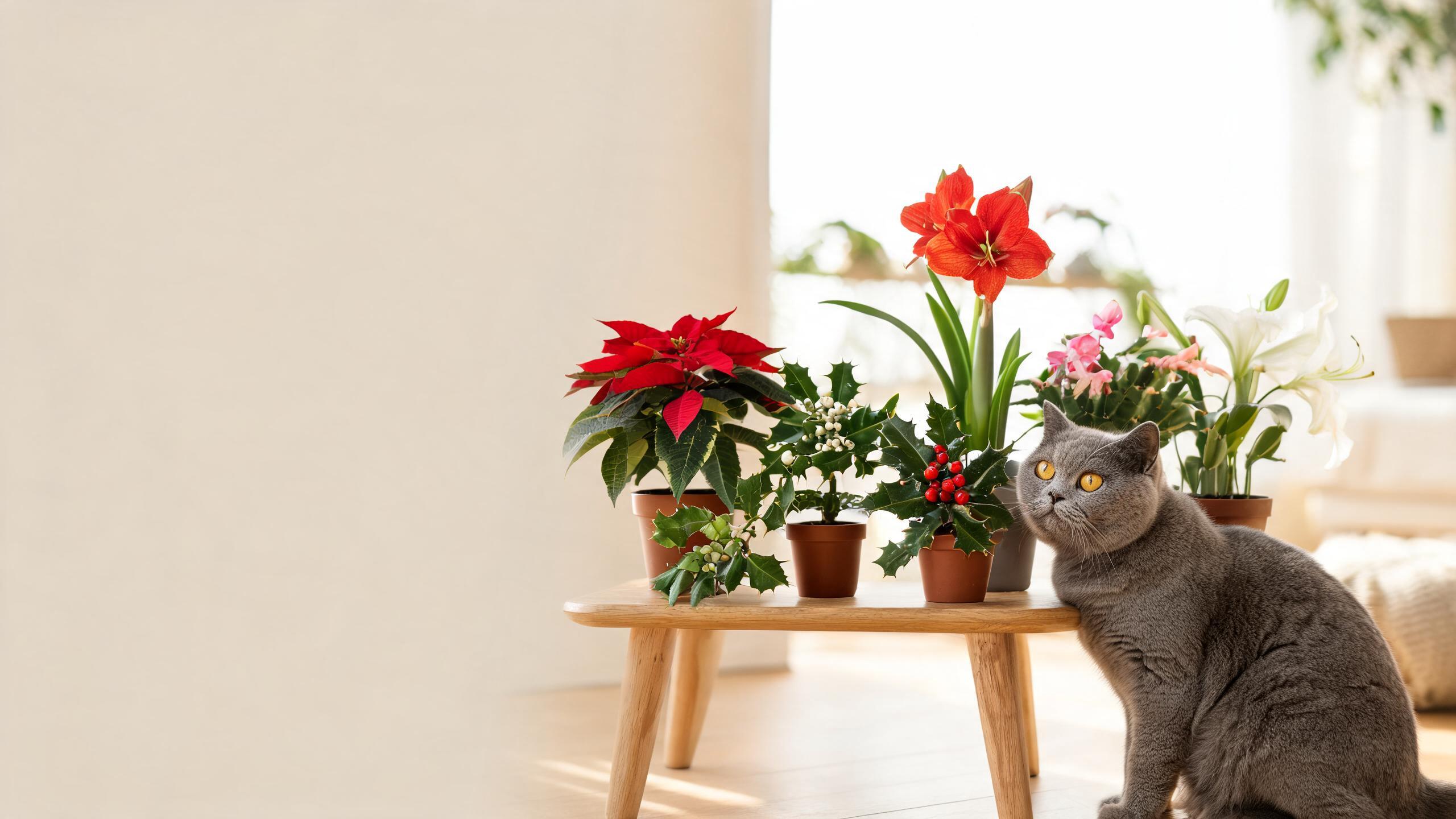
Holiday cheer can turn risky for cats with toxic plants like lilies and yew lurking around. Spot the dangers, know the symptoms, and act fast to keep your kitty safe this season.
Picture your cat eyeing that festive lily bouquet on the coffee table, tail twitching with mischief. One curious lick, and bam – holiday vibes shattered by a vet visit. Cats and holiday plants? Not always a merry mix.
Quick Takeaways
- Lilies top the danger list: Even a tiny bit or vase water can wreck kidneys.
- Yew is a heart-stopper: Berries and branches lead to seizures or worse.
- Trees and berries cause tummy trouble: Needles, holly, mistletoe – think vomiting and blockages.
- Poinsettias are milder but messy: Upset stomach usually, yet persistent issues need a vet.
- Act fast every time: Call your vet right away; don't wait for symptoms.
Why Cats Can't Resist Holiday Greenery (And Why It Bites Back)
Cats love batting at anything dangly or sparkly. Add in the scent of fresh pine or those shiny berries, and it's game on. But here's the thing: what looks pretty to us spells trouble for them.
A report from Cornell University's College of Veterinary Medicine notes that plant ingestions spike during holidays, with lilies alone causing acute kidney issues in cats exposed even minimally. I've chatted with owners who've learned this the hard way – one whiff of lily pollen groomed off fur, and you're racing to the clinic.
Not gonna lie, I think we overdo the live plants anyway. Opt for fakes or cat-safe alternatives, and everyone's happier.
Want to support your pet's skin, coat, and joints naturally? Try PetJesty's Vegan Omega Oil — 100% plant-based, developed with vets.
The Deadliest Duo: Lilies and Yew
Lilies – Kidney Killers in Disguise
True lilies like Asiatic or Oriental types, plus daylilies, are showstoppers in bouquets. Skip the peace lily confusion; those cause their own drooling mess, but real lilies? Catastrophic.
Any part – petal, leaf, pollen, or that vase water – hits the kidneys hard. Symptoms kick in fast: drooling, vomiting within hours, then lethargy. Without IV fluids pronto, kidney failure sets in. One study in the Journal of Veterinary Emergency and Critical Care tracked 42 cases; half needed dialysis to pull through.
Pro tip: Ditch lilies entirely. Your cat will thank you.
Yew – The Silent Heart Threat
Evergreens with red berries scream holiday, right? Yew bushes or garlands look innocent, but chew the needles, bark, or seeds (berries' flesh is okay-ish), and cardiac chaos ensues.
Watch for wobbling, tremors, seizures, or a funky heartbeat. It's quick-acting poison from taxine alkaloids. I've seen vets shake their heads at yew cases – survival odds drop without aggressive treatment.
> "Yew isn't just pretty; it's a hidden killer for cats who nibble." – A vet toxicology insight worth remembering.
Tummy Troublemakers: Trees, Holly, Mistletoe, and Poinsettias
Christmas trees – live or fake – drop needles like confetti. Pine oils irritate guts, causing puking and no appetite. Sharp needles? Potential blockages if swallowed in bunches. Spruce or fir? Same deal.
Holly's prickly leaves and berries deter most cats, thankfully. A few might mean mild diarrhea; a binge spells severe gut pain and weakness.
Mistletoe bunches for kisses? American type's milder – maybe some vomiting. European? Riskier for heart glitches. Berries or not, keep it high and out.
Poinsettias get hyped as deadly, but honestly, they're overblown. Sap causes mouth irritation, ongoing barfing at worst. Still, if kitty's heaving buckets, vet time.
And trees again: Artificial ones have sharp bits too. Blockages aren't fun for anyone.
Spotting Trouble: Symptoms to Watch
Cats hide illness like pros, so vigilance matters. Common signs across these plants:
- Gut reactions: Vomiting, diarrhea, no hunger.
- Drooling or pawing mouth: Irritants at work.
- Lethargy or hiding: Bigger red flag.
- Wobbly walk, tremors, seizures: Lily or yew emergency.
- Fast/slow heart, collapse: Call 911-vet now.
Timeline varies. Lilies hit in 2-12 hours; yew faster. Track what they munched and when.
I've helped a friend whose cat swiped holly berries post-dinner. Quick vet call, some meds, and she bounced back. Delay that, though? Dicey.
If Your Cat Nibbles: Step-by-Step Action Plan
- Remove access: Shoo kitty away, but save a sample for ID.
- Wipe 'em down: Damp cloth for pollen or sap – grooming spreads toxins.
- Call pros: Your vet or an animal poison hotline first. Describe plant, amount, time.
- Don't induce vomiting: Can worsen things without guidance.
- Monitor closely: Note symptoms; head in if worsening.
Treatment? Fluids, charcoal, anti-nausea meds. Severe cases mean hospitalization. Early action saves lives – and wallets.
But wait, prevention's easier. Hang wreaths high, use ribbons over berries, fake trees if possible. Cat grass redirects nibbles.
Sound familiar? That one curious cat who scales counters for forbidden greens. Train 'em young, or distract with toys.
Making Holidays Safer Without Sacrificing Sparkle
Swap risky plants for catnip-stuffed stockings or non-toxic fakes. Poinsettias in closed rooms? Better yet, none.
And if your cat's got a sensitive tummy year-round, a quality supplement can help resilience. PetJesty's gentle formulas support overall vitality without the hype.
Here's a meandering thought: Holidays amp stress for pets too – new smells, guests, chaos. Combine that with plants, and you've got overload. Keep routines steady, safe spaces cozy, and you'll all thrive.
Stay safe out there, friends. Cats make magic without the mistletoe mishaps.
Hugs from the Royal Pet crew – we're here cheering for healthy, happy pets with PetJesty by their side.