Aggression in Dogs: Understanding the Causes and What to Do
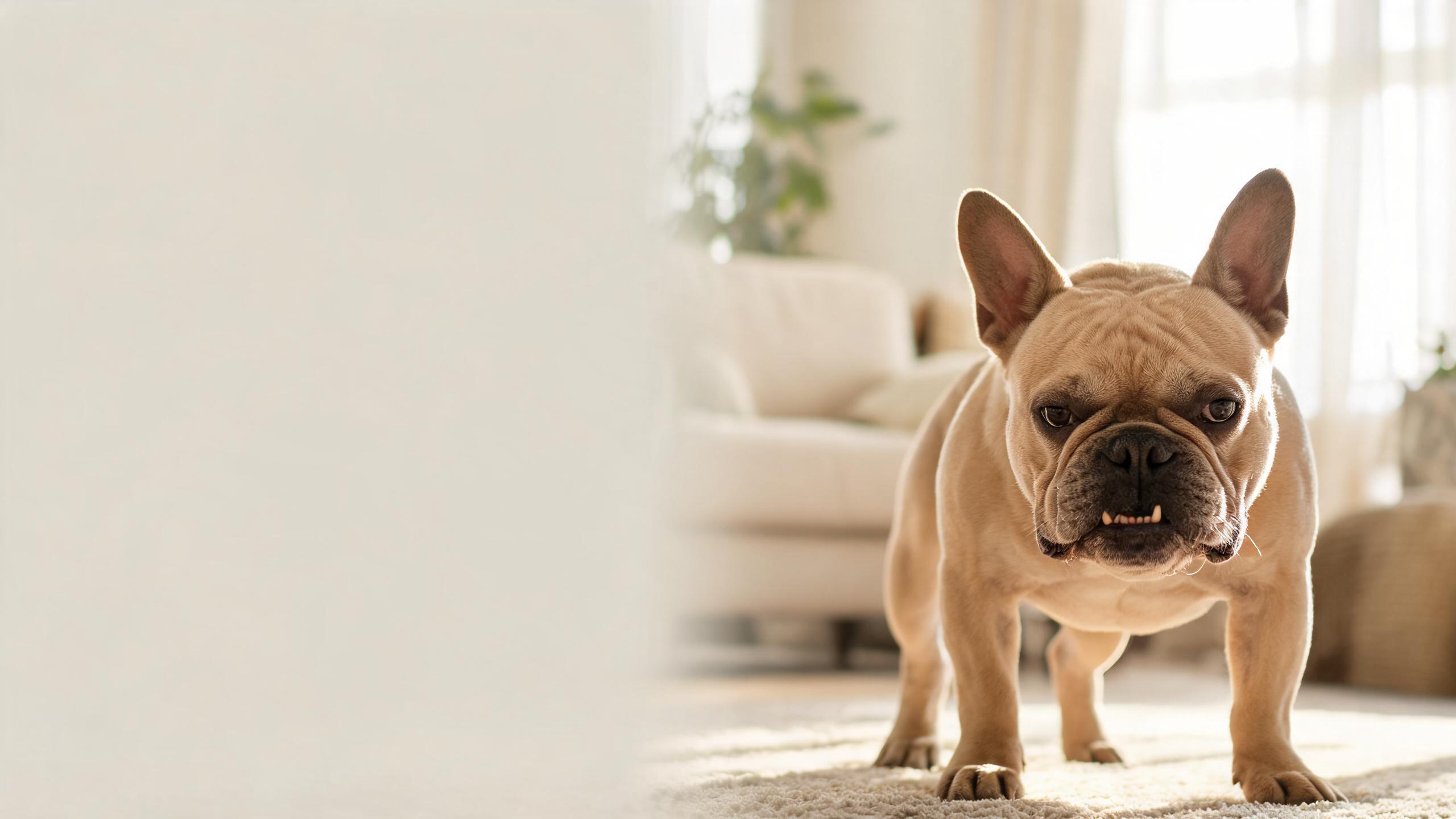
Aggression is almost always rooted in fear or discomfort, not "bad behaviour". Here is how to understand what is behind it and the safe, responsible steps to take.
Few things are more worrying for an owner than a dog who growls, snaps or bites. It is frightening and often comes with a lot of guilt and confusion. But it helps to start from one important idea: aggression is almost never a dog being "bad" or "dominant". It is communication — usually a dog telling us they feel threatened, cornered or in pain. Understanding the why is the key to handling it safely and responsibly.
Aggression is a symptom, not a personality
Growling, baring teeth, lunging and biting sit at the sharp end of a long ladder of warning signs. Long before a dog snaps, they will usually have tried to communicate discomfort in quieter ways — turning away, lip-licking, yawning, freezing, a tucked tail or "whale eye" (showing the whites). When those subtle signals are missed or punished, a dog can learn to skip them and go straight to a bigger warning. This is one reason punishing a growl is risky: you may remove the warning without removing the fear.
Common reasons behind aggression
- Fear. By far the most common driver. A frightened dog who feels they cannot escape may use aggression to create space.
- Pain or illness. A dog who suddenly becomes snappy may be hurting. Sore joints, dental pain or other conditions can all shorten a dog's fuse, which is why a vet check is essential.
- Guarding resources. Some dogs protect food, toys or a favourite person because they worry these will be taken away.
- Feeling cornered or handled. Being grabbed, hugged or restrained can push a worried dog past their limit.
- Frustration. A dog who cannot get to something they want — often on the lead — may redirect that frustration.
- Protecting territory or puppies. Natural instincts that can tip into aggression in some situations.
What to do — safely and responsibly
1. See your vet first. Any new or sudden aggression should prompt a health check, because pain is such a common hidden cause. Your vet can also refer you to a suitably qualified behaviourist.
2. Manage the environment. While you get help, your job is to prevent rehearsals and keep everyone safe. Avoid the situations that trigger your dog, use baby gates, give them space, and do not put them in positions where they feel they have to defend themselves.
3. Never punish the warning. Telling off a growl teaches a dog that warning you does not work — which can lead to bites with no warning at all. Instead, calmly increase distance from whatever worried them.
4. Learn your dog's early signals. The more fluent you become in their body language, the sooner you can step in before things escalate.
5. Get professional help. Aggression is not a DIY project. A qualified, reward-based behaviourist or veterinary behaviourist can assess your individual dog and build a safe, tailored plan. Ask your vet for a referral.
A note on safety
If your dog has bitten or you feel unsafe, do not wait. Speak to your vet promptly and seek qualified professional support. Responsible management protects your dog as much as the people around them — many dogs with aggression issues go on to live happy, settled lives with the right help.
The role of overall wellbeing
Aggression is a behaviour and welfare matter that needs proper professional input — it is not something nutrition can resolve. That said, a comfortable, healthy dog generally copes better with the world, and supporting overall wellbeing is part of good care. A balanced diet including omega-3 provides nutritional support for brain and joint health as part of a healthy lifestyle.
If you would like to support your dog's general wellbeing alongside the behavioural work, PetJesty's Vegan Omega 3, 6 and 9 Algae Oil is a clean, mercury-free source of DHA with no fishy smell. But please make a vet and a qualified behaviourist your first call — that is where real, lasting change with aggression comes from.