Antioxidants in Dog Food Explained
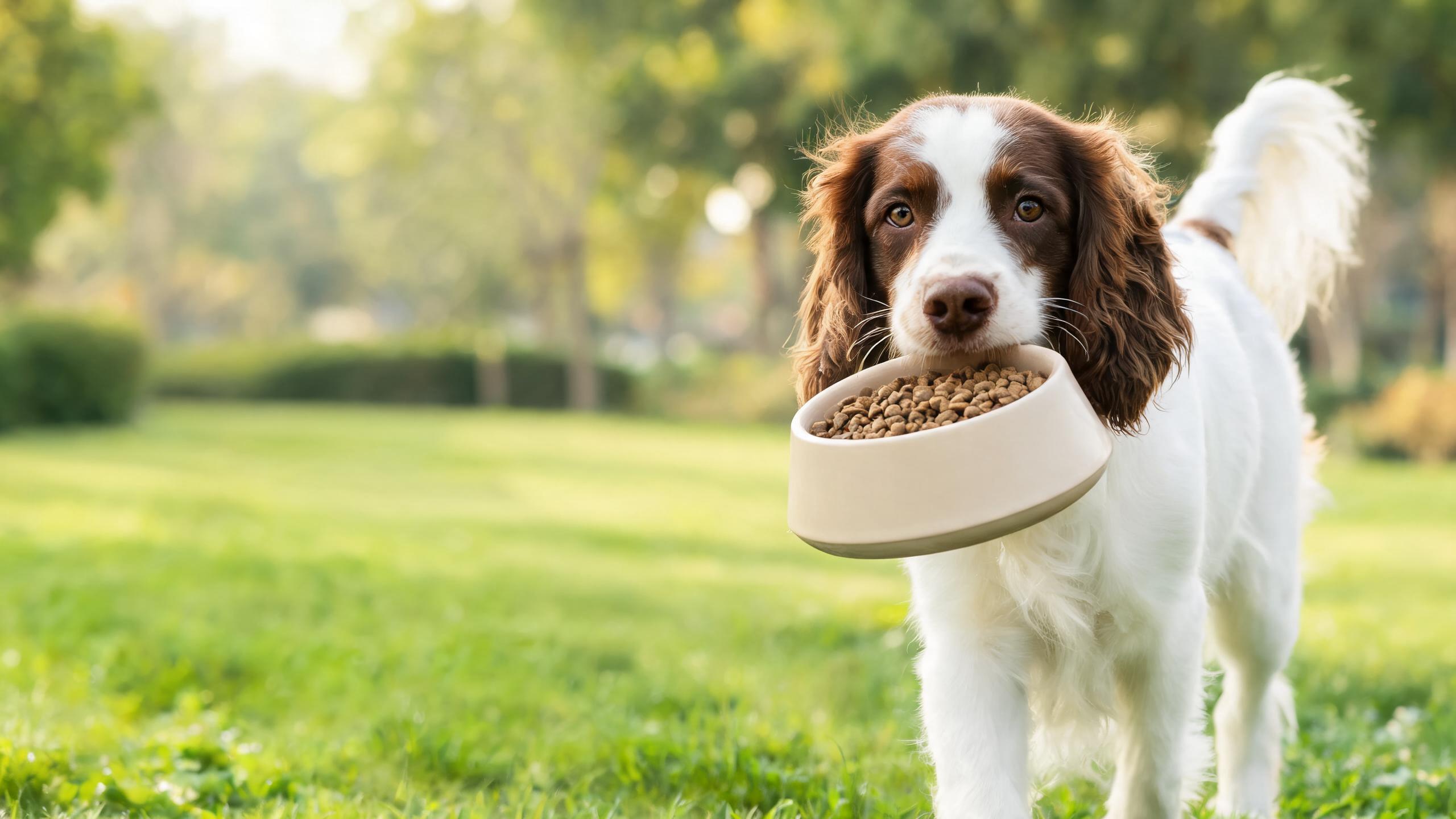
Discover why antioxidants keep dog food fresh and boost your pup's health. From fighting free radicals to immune support, here's what you need to know about natural vs synthetic options.
Picture this: You grab a bag of kibble, it sits in your pantry for weeks, and it still smells fresh when Fido digs in. That's no accident. Antioxidants in dog food are the unsung heroes holding off oxidation – that sneaky process where oxygen turns fats rancid and nutrients to mush. Without them, your dog's dinner would spoil faster than a forgotten yogurt in the fridge.
I've chatted with so many owners who toss food thinking it's 'off,' but honestly, it's often just poor storage. Let's break this down like we're grabbing coffee.
Quick Takeaways
- Antioxidants block oxygen damage to keep food fresh and nutrient-packed.
- They shield your dog's cells from harmful free radicals daily.
- Natural ones like vitamin E come from fruits; synthetics like BHT are lab-made for stability.
- Go for combos of both for best shelf life without skimping on health perks.
- Always check dates and store in cool, dark spots – it'll last way longer.
How Oxidation Sneaks Up on Dog Food
Oxidation happens everywhere oxygen touches fats and oils. In dog food, it starts with a faint off smell, then discoloration, and boom – rancid mess. Fats break down, vitamins fade. A bag might last 12-18 months on shelves thanks to antioxidants added right at mixing.
But here's the thing: timing matters. Toss them in early during production, and they bond better with fats. Pair certain types, like vitamin E with a synthetic buddy, and they punch above their weight. I've seen bags list 'mixed tocopherols' – that's natural vitamin E from veggie oils – working overtime.
> "Antioxidants aren't just shelf-life saviors; they're daily defenders against your dog's biggest invisible foe: free radicals." – A nod to insights from veterinary nutritionists.
Want to support your pet's skin, coat, and joints naturally? Try PetJesty's Vegan Omega Oil — 100% plant-based, developed with vets.
The Real Health Wins for Your Dog
Forget just preservation. These compounds fight free radicals – unstable molecules from normal cell work, pollution, even exercise. Left alone, they chain-react, damaging cells, weakening immunity, speeding aging.
Antioxidants neutralize them. Young pups get an immune kick before shots fully protect – think fewer early infections. Seniors? A 2015 study from the Journal of Animal Science found dogs over 8 years on antioxidant-boosted diets showed 25% less brain cell damage markers. Organs stay sharper, energy holds steady.
Sound familiar? That older dog slowing down? Oxidative stress plays a part. Not gonna lie, I push owners toward foods rich in these for longevity. It's like armor from the inside.
Pups and Pros: Age-Specific Boosts
- Puppies: Build immunity foundations. Vitamin C from cranberries supports growth without vax lag.
- Adults: Daily free radical mop-up keeps joints, skin, everything humming.
- Seniors: Slows organ wear. One trial at Cornell University noted better cognitive scores in aged Labs.
And mixing antioxidants? Vitamin E plus citric acid from lemons teams up better than solo acts.
Natural vs Synthetic: Pick Your Fighter
Dog food labels spill the beans – companies list them plainly, often as 'preservative.' Natural antioxidants pull from nature: vitamin C (blueberries, tomatoes), vitamin E (mixed tocopherols), citric acid (citrus), rosemary extract. They're wholesome, but less heat-stable. Foods with only these might clock 6-9 months shelf life post-open.
Synthetic ones? BHA, BHT (vitamin E mimics, super stable at high processing temps), ethoxyquin (potent at tiny doses, FDA-greenlit). They extend life to 18+ months. Combo packs rule – natural flavor, synthetic staying power.
My take? Synthetics get a bad rap, but at regulated levels (like under 200 ppm for BHA/BHT), they're safe and effective. Naturals feel better for daily feeding, though. If your dog's on a skin-sensitive diet, something like PetJesty's Vegan Omega 3,6 & 9 Algae Oil pairs nicely – those omegas love antioxidant backup to stay potent.
But smaller bags for natural-only foods. Once air hits, freshness dives quick.
Smart Choices and Storage Hacks
Scanning bags? Look for 'preserved with mixed tocopherols and citric acid' or similar. No vague 'antioxidants' – regs demand specifics.
Here's a meandering thought while I remember a client story: This one lady's golden retriever was picky after a bag went funky; turned out natural preservatives lost oomph in her humid garage. Switched to airtight bins in the basement, added a dehumidifier, problem solved. We humans overlook how light, heat, moisture team up against food.
Storage dos:
- Cool, dry pantry. No direct sun.
- Airtight container post-open.
- Check 'best by' dates – they're gold.
- Smaller bags if natural-heavy.
Skip the fridge unless super humid; condensation wrecks kibble.
And rotation? Use oldest first. Fresh food means happy eating, strong health.
I've watched too many dogs suffer dull coats or tummy woes from stale chow. Proactive pays off.
That's the scoop on antioxidants keeping your dog's bowl battles won. Here at Royal Pet, we're all about nutrient-packed options like PetJesty to support that vibrant life. Got questions? Drop 'em – happy to chat more.
Fiona