Are Hydrangeas Toxic to Cats?
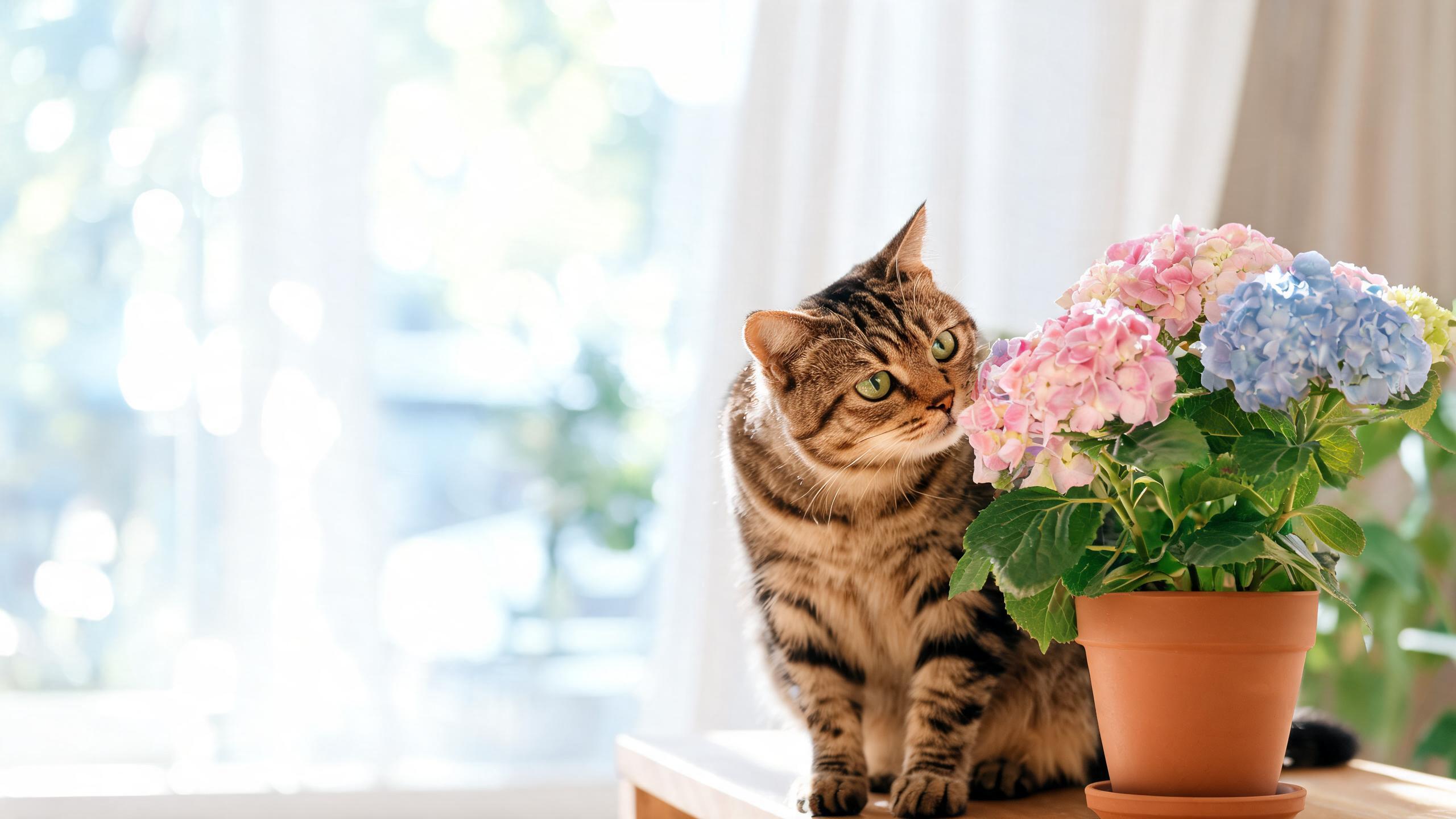
Hydrangeas look stunning, but they're poisonous to cats. Learn the risks, symptoms, and quick steps to protect your feline from these garden favorites. Vet advice inside.
Picture your cat lounging in the garden, suddenly eyeing those big, fluffy blue blooms on the hydrangea bush. One curious nibble later, and you've got a potential emergency on your hands. Hydrangeas are toxic to cats – all parts, from leaves to flowers. I've chatted with so many cat owners who've learned this the hard way.
Quick Takeaways
- Every bit of the hydrangea plant packs a toxin called amygdalin, which can release cyanide when chewed.
- Most cats just get tummy troubles like vomiting and diarrhea, but severe cases hit breathing and heart function.
- Skip home remedies like inducing vomiting – head straight to the vet.
- Cats' small size makes them extra vulnerable compared to dogs.
- Prevention beats cure: keep these plants out of reach or skip them altogether.
Why Hydrangeas Spell Trouble for Cats
Those showy shrubs with their snowball-like flower heads? Yeah, they're garden stars, but not for cat households. The culprit is amygdalin, a cyanogenic glycoside lurking in leaves and flowers especially. Chew it up, and it breaks down into cyanide – the stuff that messes with oxygen use in cells.
A report from the ASPCA's Animal Poison Control Center notes over 200 calls yearly about hydrangea ingestions in pets, with cats making up a chunk due to their nibbling habits. Not every bite leads to disaster, but why risk it? Dose matters; a few leaves might just upset the stomach, while a feast could trigger real poisoning.
Cats, being pint-sized predators, absorb this faster than bigger animals. Ever seen your kitty zoom toward bright colors? Those pink, purple, or white clusters scream "play with me" to them.
Want to support your pet's skin, coat, and joints naturally? Try PetJesty's Vegan Omega Oil — 100% plant-based, developed with vets.
Spotting Hydrangea Poisoning Symptoms
Symptoms kick in quick, often within hours. Here's what to watch for:
- Drooling and nausea right off the bat.
- Vomiting, sometimes nonstop.
- Diarrhea, which might have blood in bad cases.
- Lethargy or weakness – your usually bouncy cat goes flat.
- Belly pain; they might hunch or meow oddly.
But if cyanide levels spike, things escalate: trouble breathing, pale or bluish gums, rapid heartbeat, seizures, even coma. Skin contact alone can irritate, especially on sensitive cats.
> "Hydrangeas might brighten your yard, but one wrong chomp can dim your cat's spark – act fast."
I've seen owners brush off initial puking as hairballs. Don't. If you suspect hydrangea munching, grab a sample of the plant and bolt to the vet.
Severe Signs That Scream Emergency
Rapid breathing? Stiff legs? Heart racing out of control? These yell cyanide overload. A study in the Journal of Veterinary Emergency and Critical Care from 2015 detailed how cyanogenic plants like hydrangeas can drop oxygen saturation fast in small animals.
Steps to Take If Your Cat Eats Hydrangea
First off: no DIY fixes. Don't make your cat puke without vet say-so – it can worsen things. Call your vet or a poison hotline immediately. Bring the plant bits for ID.
Your vet might:
- Check vitals and run bloodwork.
- Induce vomiting if caught early (they do it safely).
- Pump the stomach in serious cases.
- Give fluids for dehydration, anti-nausea meds, maybe antibiotics.
Severe? Hospital stay with oxygen and heart monitoring. Time's ticking since the toxin absorbs quick.
And here's the thing: prognosis rocks for most. If your cat's stable two hours post-symptoms, odds skyrocket for full bounce-back. Appetite returns fast once the gut clears.
Keeping Hydrangeas Away from Your Cat
But prevention's where it's at. Ditch hydrangeas indoors or out if kitty roams. Hang pots high, or better, pick cat-safe plants like spider plants.
Outdoor cats? Build a catio or leash-train for walks – way safer than free-roaming gardens packed with temptations. Honestly, not gonna lie, I say skip hydrangeas entirely if you love cats. Plenty of bloomers won't poison your pal.
And look, supporting overall pet health helps resilience too. At Royal Pet, our PetJesty line keeps cats thriving, so minor slips don't hit as hard.
Cats recover amazingly with prompt care. One owner I know had her tabby snag flowers at a party – vet trip, fluids, home by night, chasing toys next day. Sound familiar?
We've all got blind spots with pretty plants. But knowing hydrangeas' dark side arms you. Your cat counts on that curiosity-curbing smarts.
That's us at Royal Pet – helping you keep tails wagging safely. Got questions? Drop 'em below.
– Fiona