Arthritis in Dogs and Cats: Spot It Early
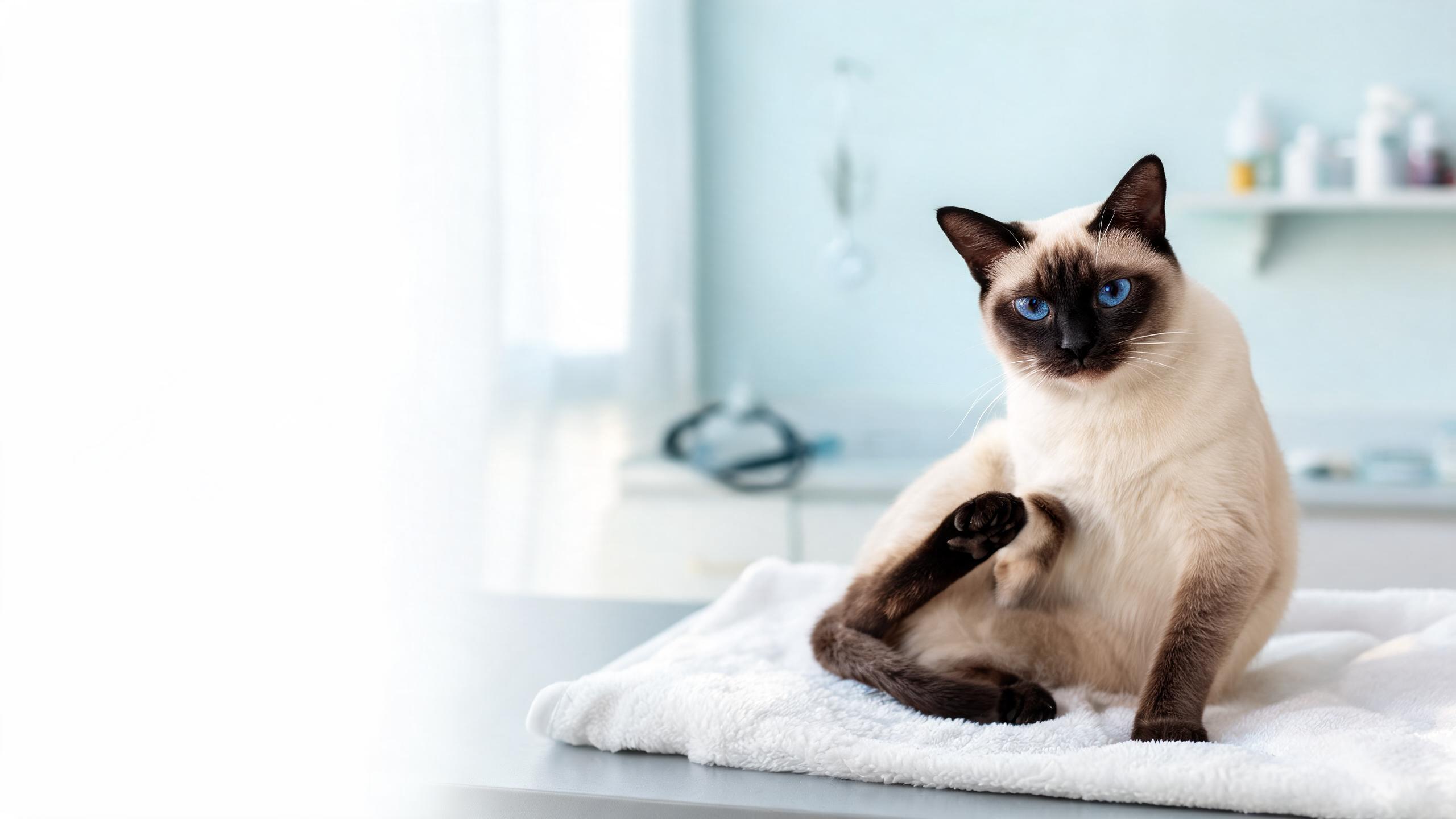
Notice your dog slowing down or cat skipping the litter box? These could be arthritis signs. Here's how to spot it fast and ease the pain for better pet mobility.
Picture this: your once-bouncy Labrador hesitates at the top stair, or your cat starts peeing right next to the litter box instead of in it. Heartbreaking, right? Arthritis hits over 90% of dogs by age 10, according to a long-term study from the University of Pennsylvania's veterinary school. And cats? They're sneaky about hiding it.
Quick Takeaways
- Watch for limping, stiffness, or personality shifts – they're big red flags.
- Extra weight makes it worse; aim for a lean frame to protect joints.
- Omega-rich diets can cut inflammation in weeks, not months.
- Glucosamine and chondroitin help rebuild cartilage, but get the balance right.
- Talk to your vet ASAP – early action keeps pets playful longer.
Those Sneaky Signs You Might Miss
Limping is the obvious one. Your dog comes back from a walk favoring one leg, or holds it up like it's made of glass. But here's the thing: pets are pros at masking pain. I've chatted with so many owners who thought their senior pup was just "getting old." Nope. That reluctance to jump on the couch? Or the way they flop down instead of sitting neatly? Classic arthritis.
Cats play it even cooler. They won't yelp or limp much. Instead, look for litter box misses – climbing in hurts too much. Or obsessive licking on a hip or shoulder. One client told me her tabby spent hours grooming her lower back; turned out to be spinal joint issues. Sound familiar?
And dogs? Big breeds like Labs or Shepherds show it in elbows and hips first. They'll lag on hikes, sleep more, or skip the backyard zoomies. If your pet's energy dips without another reason, get it checked.
> "Pets don't whine about pain – they just withdraw. That's their way of saying help."
Want to support your pet's skin, coat, and joints naturally? Try PetJesty's Vegan Omega Oil — 100% plant-based, developed with vets.
Who's Most Likely to Get It?
Not every pet, but some face higher odds. Giant breeds grow fast, and if their diet pushes too much protein or calories early on, joints form wonky. A Cornell University study tracked 500 large-breed pups and found those on balanced growth formulas had 40% fewer hip issues by age 2.
Overweight pets? Disaster waiting. Every extra pound stresses joints like carrying a backpack full of bricks. Middle-aged to seniors – think 7+ for dogs, 10+ for cats – cartilage wears thin from years of use. Injuries, like old cruciate tears, speed it up too.
But puppies aren't immune. Start right with food matched to their size and breed. It'll pace growth so bones and joints sync up properly.
Breeds on High Alert
- Labrador Retrievers (hips love to betray them)
- German Shepherds (elbows and backs)
- Rottweilers and Mastiffs (sheer size)
Cats? Overweight Persians or Maine Coons show subtle signs earliest.
Smart Ways to Fight Back and Prevent It
Prevention beats cure every time. Number one: keep 'em slim. Ribs easy to feel, waist visible from above. If not, vet time for a plan. Drop 10% body weight, and mobility jumps 30%, per mobility clinic data from Colorado State University.
Diet tweaks shine here. Foods with omega-3s in the right ratio dial down inflammation fast. Pets on these formulas often perk up in 2-4 weeks – leaping, chasing, less stiffness. Add glucosamine (1,000-1,500mg daily for a 50lb dog) and chondroitin (800-1,200mg) to support cartilage repair. They cushion joints, fight breakdown.
Here's where PetJesty's Vegan Omega 3, 6 & 9 Algae Oil fits perfectly. It's plant-based, potent for joint soothing without fishy burps or extra cals. Mix it in meals; owners rave about spryer steps. Not a magic pill, but stacks great with weight control.
Exercise matters too. Short swims or leashed walks build muscle without pounding joints. Cold mornings? Skip 'em – stiffness worsens in chill.
And honestly, not gonna lie, I'd skip over-the-counter supps on your own. Ratios matter; too much fat piles on pounds. Vet-guided therapeutic kibble nails it – lower cals overall, supps baked in.
If pain lingers, meds like NSAIDs help. But combine: diet, supps, exercise. Multi-angle attack wins.
When It's Time for the Vet – Don't Wait
Any behavior change screams checkup. Stiff after rest? Less play? Go now. Vets X-ray, test blood, rule out other stuff like Lyme.
They'll tailor a plan: diet switch, supps, maybe laser therapy or acupuncture. One longer-term approach that really clicked for a friend's Golden was weekly underwater treadmill sessions plus omegas. She went from couch potato to park sprinter in months. We watched her chase balls again, tail wagging like crazy. That's the goal.
Early catch means less progression. Wait too long, and it's chronic misery.
But wait – what about breeds prone from puppyhood? Screen hips at 2 years for at-risk ones. Peace of mind.
Keeping tabs on arthritis isn't rocket science. It's watching close, acting quick, and loving proactively. Your pet thanks you with those joyful bounds. That's what we're all about here at Royal Pet – real support for the pets we adore.
Stay pawsitive, Fiona