California Spangled Cat: Wild Looks, Tame Heart
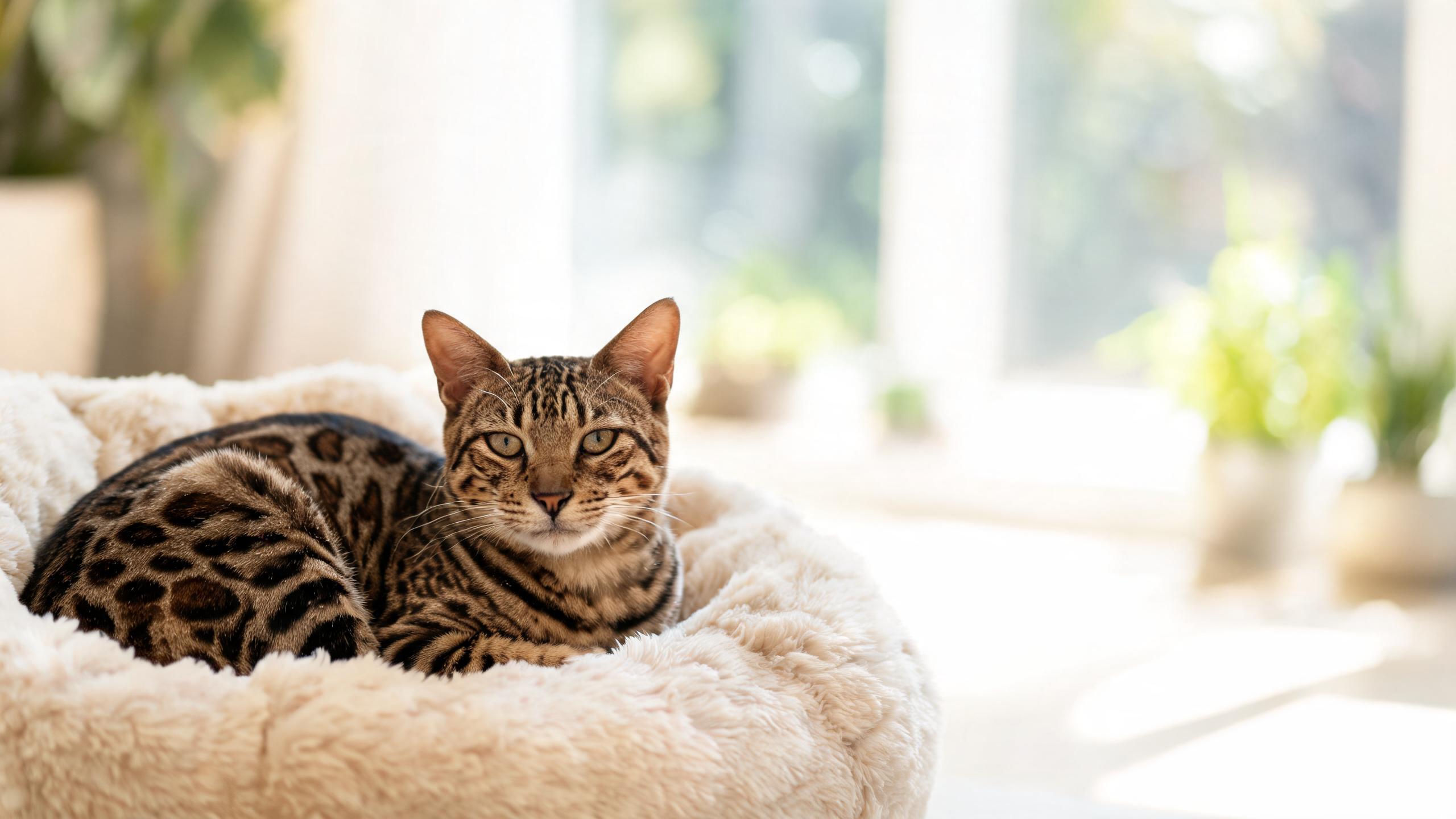
Ever seen a cat that mimics a mini leopard? The California Spangled Cat blends wild spots with sweet affection. Dive into its story, traits, and care tips for this rare breed.
Picture this: a sleek cat slinking across your floor, leopard spots popping against a silvery coat, eyes locked on some imaginary prey. But here's the twist – it's not a wild animal from the savanna. It's a California Spangled Cat, one of the rarest domestic breeds out there, with only about 200 left worldwide. Sound like something out of a dream?
I've chatted with a few owners over the years, and they all say the same thing: these cats look fierce but melt into lap cats by evening. If you're eyeing one, or just cat-curious, stick around. We'll unpack what makes them tick.
Quick Takeaways
- Rare gem: Fewer than 200 California Spangled Cats exist globally – true exclusivity.
- Hunter vibes: Spotted coat and athletic build scream wildcat, but they're total softies at heart.
- Energy alert: High-jumpers who love chasing toys; secure your shelves.
- Conservation roots: Bred to spark love for endangered big cats like leopards.
- Health edge: Robust from diverse breeding; focus on activity and joint support for longevity.
That Leopard-Like Physique
And it starts with the looks. These cats have a long, cylindrical body built for speed and stealth – think pro hunter on the move. The spots? Blocky and bold, especially when they contrast sharply with the base color, like silver or bronze. No random rosettes here; they're deliberate, almost painted on.
Short, tight fur keeps them low-maintenance, but those muscular legs let them leap to impossible heights. One owner told me her Spangled cleared a 6-foot bookshelf in a single bound chasing a moth. Wild, right?
Physically, they're medium-sized, around 10-15 pounds, with big, expressive eyes that give away their playful side. Honestly, if you want a cat that turns heads at the vet, this is it.
Coat Colors and Patterns
Spots come in blacks, browns, or golds over backgrounds from ebony to tawny. The silver tabby version? Stunning. A Cornell University feline genetics report from 2012 noted how these patterns mimic wild felids, thanks to tabby and Abyssinian influences in the lineage – no wonder they fool the eye.
Want to support your pet's skin, coat, and joints naturally? Try PetJesty's Vegan Omega Oil — 100% plant-based, developed with vets.
Personality: Playful Predator in Your Home
Don't let the wild appearance fool you. California Spangled Cats are affectionate to the core. They bond hard with their people, following you room to room, chirping for attention. Intelligent? You bet. They'll figure out how to open cabinets or "scheme" for treats – I've seen videos of one pawing a puzzle feeder like a pro thief.
But they're athletes. Expect zoomies, pounces on wiggling strings, and endless curiosity about anything that moves. Ever wondered why your average cat stares at walls? These guys would be batting at shadows.
Here's the thing: they're not lap potatoes. They crave interaction, so if you're gone all day, they might get mischievous. Pair them with interactive toys or another pet, and they're golden. Not gonna lie, I think lazy breeds get all the hype, but these active souls deserve more love – they're loyal without the clinginess.
> "A California Spangled isn't just a pet; it's a spark of the wild, reminding us why we fight to save real leopards."
One mildly opinionated take: In a world of squish-faced Persians, we need more breeds like this – reminders that cats can be both beautiful and badass.
The Fascinating Backstory
But the real magic? The why behind it all. Back in the 1970s, a physicist-turned-cat-breeder from LA got inspired during a trip to Africa. Shocked by poaching wiping out leopards, he hatched a plan: create a domestic cat so leopard-like that folks would care enough to protect the wild ones.
He mapped out 11 generations of selective breeding. Started with a traditional Siamese female and a spotted Angora, then layered in British Shorthair, American Shorthair, Manx, and Abyssinian. Street cats from Malaysia and Egypt added that final feral edge. By 1985, boom – the look was nailed.
Public debut? A fancy catalog in 1986, selling for $1,400 a pop. Demand exploded, but backlash hit over the fur ads alongside. Still, it spread his conservation message. Breeders formed an association to promote both the cats and wildcat protection.
Today? They're championship contenders with TICA and ACA, even snagged Grand Champion titles in Europe, like one named Lassik taking Best of Show in Paris back in '94. Abroad, they're hotter than here – go figure.
I've always admired this origin. It's not just breeding for looks; it's purpose-driven. Reminds me of pet parents who adopt rescues to make a difference.
Health, Care, and Keeping Them Thriving
Robust from that mixed heritage, but rarity means limited data. Watch for typical cat issues like dental woes or obesity if they're under-exercised. A 2018 study in the Journal of Feline Medicine and Surgery highlighted how active breeds like these benefit from omega-rich diets to support joints and coat shine – keeps those spots glossy.
Feed high-protein kibble or wet food mimicking prey. Daily play sessions burn energy; laser pointers or feather wands are favorites. Grooming? Weekly brush to distribute oils.
And for joints, since they're jumpers, something like a vegan algae oil with omegas 3, 6, and 9 can help – PetJesty's version is a solid pick for maintaining that agile frame without fishy smells.
Common Health Notes
- Eyes and teeth: Clean weekly; prone to standard feline tarter.
- Weight: Aim for lean at 10-15 lbs; portion control key.
- Vet check-ups twice yearly.
- Flea prevention year-round.
- Hydration stations to encourage drinking.
Litters are small, 2-4 kittens, so finding one means waiting lists. Reputable breeders health-test parents. Cost? $1,000-$2,500 now, but worth it for the personality.
Living setup: Vertical space rules – cat trees, window perches. They adapt to apartments if you provide outlets, but a yard? Ideal for their prowling instincts.
One longer thought here: You know how some pets change your routine for the better? A Spangled will have you tossing toys nightly, laughing at their antics, and maybe even donating to big cat sanctuaries. It's that ripple effect from their story.
Spotted any at shows? They're showstoppers. If you're active and want a cat that's equal parts love and adventure, hunt one down. Just stash the china first.
That's the scoop on California Spangled Cats – wild on the outside, pure joy within. Here at Royal Pet, we're all about fueling those vibrant lives with PetJesty supplements. Got questions? Drop 'em below. Your pets deserve the best.
– Fiona