Can Cats Eat Bread Safely?
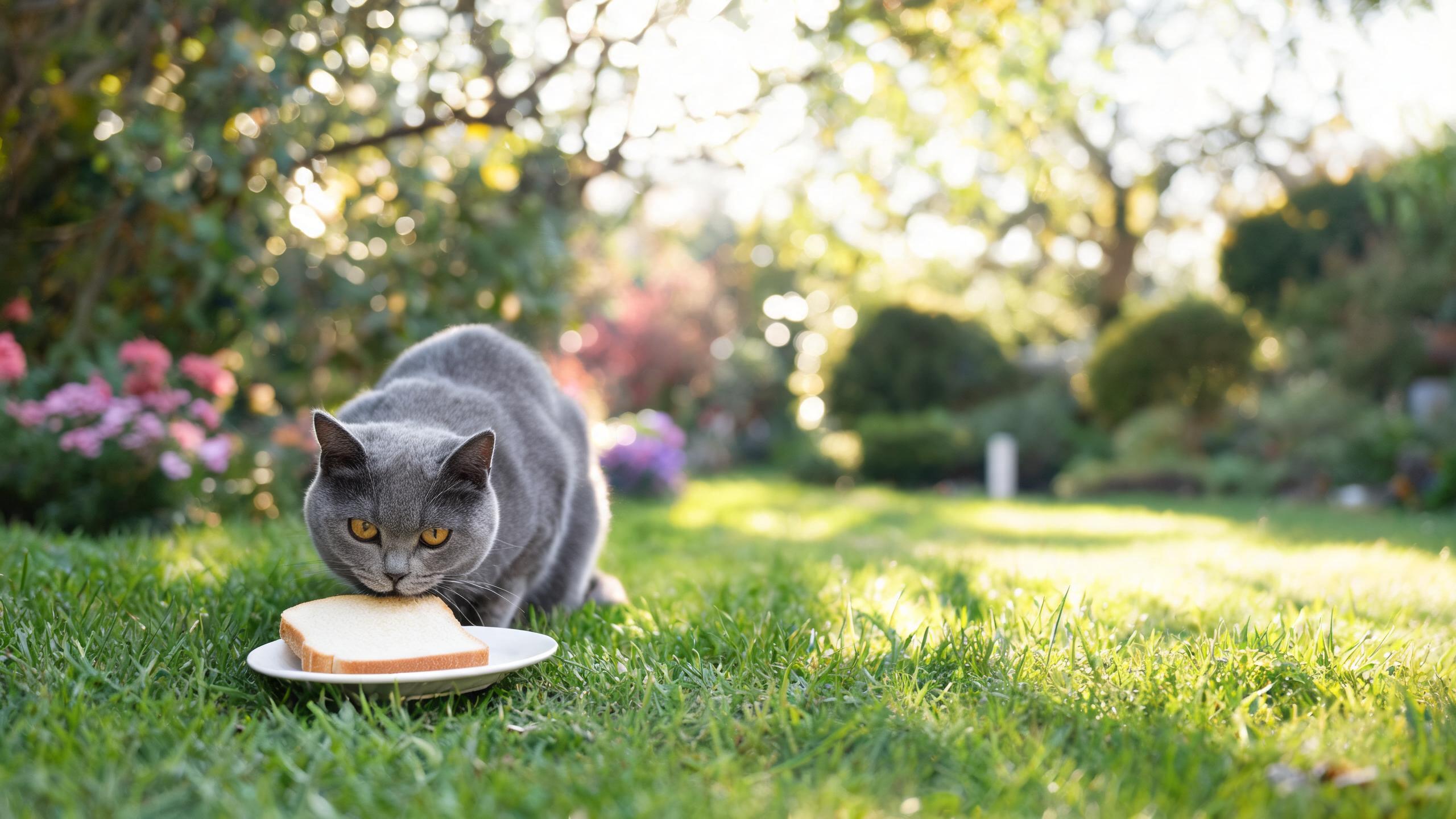
Wondering if it's okay to share bread with your cat? Plain slices might be fine in tiny bits, but watch out for garlic, sugars, and raw dough. Get the full scoop on safe treats for your kitty.
Picture this: you're slicing up a fresh loaf for your toast, turn around for two seconds, and bam – your cat's batting a piece across the kitchen floor like it's the best toy ever. Sound familiar? I've had clients tell me stories just like that, and it always makes me chuckle. But here's the real question: is a little bread theft harmless fun, or something to worry about?
Cats aren't wired for bakery raids. They're obligate carnivores, which means their bodies crave protein from meat above all else. Bread? It's basically filler food for them – carbs galore with zero real nutrition. A 2018 study in the Journal of Feline Medicine and Surgery showed that high-carb diets can mess with cats' blood sugar and weight over time, especially if they're prone to issues like diabetes.
Quick Takeaways
- Plain white or wheat bread: okay in tiny amounts, like a thumbnail-sized nibble once a week max.
- Garlic, onions, or sugary breads: total no-nos – toxic risks.
- Raw dough: emergency vet trip material due to bloating and alcohol poisoning.
- Why they love it: probably the yeasty smell or soft chew, but don't indulge often.
- Always monitor for tummy upset, and stick to cat-safe treats for real health perks.
Why Bread Doesn't Cut It for Cats
But let's back up. Cats evolved to hunt mice and birds, not munch on grains. Their digestive systems aren't built to break down carbs efficiently – heck, they lack enough amylase enzyme for that. Feed them bread regularly, and you're just packing on empty calories. Think about it: a single slice of white bread has around 80 calories, mostly from carbs your cat can't use well. Over time, that adds up to extra pounds and potential insulin problems.
I've seen so many pet owners slip their kitties "just a bite" daily, thinking it's no big deal. Not gonna lie, it bugs me a bit because cats on low-carb diets – say, for diabetes or pancreatitis – can really suffer. One client’s tabby ended up at the vet with skyrocketing glucose after a bread binge. Keep it occasional, folks.
> Plain bread might not poison your cat, but it's like giving a kid cotton candy for dinner – fun once, forget the habit.
Want to support your pet's skin, coat, and joints naturally? Try PetJesty's Vegan Omega Oil — 100% plant-based, developed with vets.
Safe Breads? Mostly the Boring Ones
White Bread: The Least Bad Option
White bread gets a bad rap from us humans for being nutritionally void, but for cats, it's oddly one of the safer picks. No sneaky additives, just flour, water, yeast. A small crumb won't hurt a healthy cat. Some vets even suggest pill-pocketing meds in it – works like a charm if your kitty's picky.
Wheat Bread: Fine in a Pinch
And wheat bread? Similar story. Most store brands skip the harmful extras, so a rare nibble passes muster. But remember those carbs – about 20 grams per slice. That's a lot for a 10-pound cat whose daily needs top out at 200-300 calories total.
Corn Bread: Tempting but Skip It
Cornbread smells amazing fresh from the oven. Corn itself isn't toxic, but this stuff's loaded with butter, sugar, and more carbs. A tiny taste? Probably fine. Anything more, and you're risking an upset stomach.
Breads to Steer Clear Of Completely
Now, the danger zone. Not all loaves are created equal, and some pack real punches.
Garlic bread is a hard pass. Garlic hits cats' red blood cells, causing anemia even in small doses – the ASPCA lists it as a top toxin. I've heard of cats licking the butter off and ending up lethargic and pale. Vet call, stat.
Banana bread? Sugars galore, plus spices that irritate. Worse, sugar-free versions often hide xylitol, which tanks blood sugar and liver function in cats. Emergency level.
Pumpkin and Hawaiian breads fall in the same sweet, spiced trap. Plain pumpkin's okay (great for digestion, actually), but baked into bread with all that jazz? Nope. Your cat's belly will revolt.
Here's the thing: flavored breads turn a neutral snack into a gamble. Stick to basics, or better yet, cat treats.
The Real Hazard: Raw Bread Dough
But the scariest part isn't baked bread. It's the uncooked dough rising on your counter. Cats snag it sometimes, and trouble brews fast.
In the stomach, yeast keeps fermenting and expanding – like a balloon inflating inside. That leads to bloat, gas, pain, vomiting. Plus, the fermentation spits out alcohol, causing drunken staggering, diarrhea, even coma in bad cases. A University of Pennsylvania vet review noted that even golf-ball-sized amounts can require surgery.
If your cat gets dough – any dough, bread or otherwise – don't wait. Emergency vet, now. Symptoms hit quick: whining, hunched posture, wobbly walks.
Why Do Cats Go Crazy for Bread Anyway?
Ever wondered why some cats turn into loaf bandits? Others couldn't care less. Could be the warm, yeasty aroma mimicking fermented prey scents from way back in evolution. Or the squishy texture they knead like mama's tummy. Honestly, carbs might just hit a pleasure spot in their brains, like junk food does for us.
One of my neighbor's cats, a chunky Siamese named Milo, would yowl for wheat crusts. We figured out it was boredom – switched to puzzle feeders with meat treats, problem solved. Limit to thumbnail bits, once or twice weekly tops. Anything more piles on those useless calories.
And look, while we're on nutrition, if you're tweaking your cat's diet for better coat or energy, something like PetJesty's Vegan Omega 3,6 & 9 Algae Oil can make a world of difference without the carb crash. It's plant-based goodness that fits their carnivore vibe perfectly.
Uh-Oh, My Cat Ate Bread – Now What?
Caught your kitty red-pawed with a slice? First, what kind?
- Plain white/wheat: Chill. Watch for 24 hours. No vomiting, diarrhea, or lethargy? You're good. But if your cat's diabetic or has gut issues, ring the vet anyway.
- Garlic/onion/sugary: Call your vet pronto. They might want bloodwork.
- Xylitol or raw dough: Emergency room, immediately. Time is critical.
Monitor everyone close: appetite off? Loose stools? Hiding? Vet time. Most bounce back from plain bread fine – cats are tough cookies.
That said, why risk it when there are killer cat treats out there? Freeze-dried meat bits, anyone?
Swapping human snacks for proper ones keeps vets away and tails wagging. Your cat will thank you with purrs and headbutts.
That's the scoop on bread and cats – keep counters clear, hearts happy. Here at Royal Pet, we're all about fueling those wild instincts with smart nutrition like PetJesty. Got a bread-loving kitty story? Drop it in the comments!
Fiona