Can Cats Eat Ham Safely?
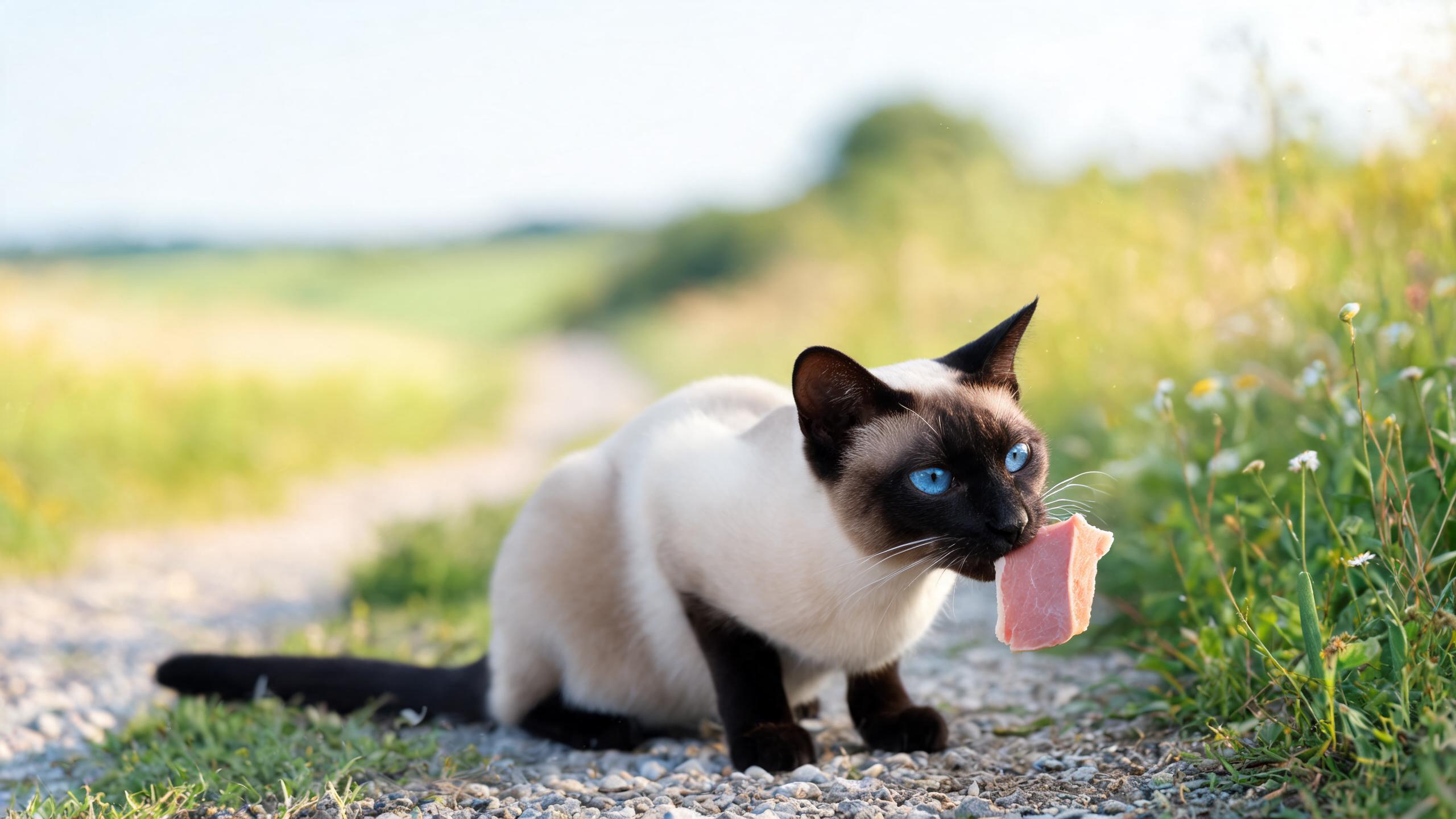
Is ham a treat your cat can enjoy? Learn safe ways to share it, portion tips, and why processed kinds are risky. Keep your kitty purring without the worry.
Picture this: It's holiday time, the ham's carving up on the counter, and your cat's weaving between your legs with those big, hopeful eyes. Sound familiar? I've been there, and yeah, it's tempting to drop a little something her way.
But here's the thing—cats are obligate carnivores, wired to thrive on meat. Ham fits that bill as a protein punch. Problem is, not every slice is cat-friendly. Deli ham loaded with salt and sneaky spices? Big no. Stick to plain, home-prepped stuff, and you might have a winner.
Quick Takeaways
- Plain, cooked ham in tiny bits? Okay occasionally.
- Skip deli versions—too much sodium and toxic add-ins like garlic.
- Kittens get even smaller tastes; their bones need balance.
- Limit to a 1-inch cube, 2-3 times weekly max.
- Bones are always dangerous—choking hazard city.
Why Most Ham Isn't Cat-Ready
Cats need animal proteins to stay sharp. A University of California, Davis study on feline nutrition backs this: without enough meat-based amino acids like taurine, vision and heart health tank. Ham delivers that lean protein nicely.
And yet, grab a package from the store, and you're rolling the dice. Processed hams pack upwards of 1,000 mg sodium per slice—way over what a 10-pound cat can handle daily (about 50-100 mg tops). Excess salt spikes blood pressure, strains kidneys. Worse, flavors like onion powder sneak in, and those are straight-up poisonous, shredding red blood cells.
I've chatted with owners who thought a nibble was harmless. Next thing, vet bills for vomiting or worse. Not gonna lie, it's frustrating how "pet-safe" labels fool us. My take? Ditch the convenience; cook it yourself every time.
> Cats don't need our processed junk—they evolved on fresh kills, not cured meats.
Want to support your pet's skin, coat, and joints naturally? Try PetJesty's Vegan Omega Oil — 100% plant-based, developed with vets.
Kittens and Ham: Proceed with Caution
Little ones complicate things. Their tiny systems crave precise nutrient ratios for growth. Ham's heavy on phosphorus from muscle, light on calcium. Feed too much, and bones weaken—think rickets-like issues down the line.
A quick floor scrap won't doom her. But regular ham snacks before adulthood? Risky. Kittens' guts are touchy too; diarrhea hits fast. Wait till she's full-grown, around 1 year, then test small amounts.
Ever watched a kitten chase a ham bit like it's the holy grail? Adorable, until tummy troubles kick in. Start with kitten formula food instead—it's balanced perfection.
Special Health Cases
Got a cat with kidney woes or heart issues? Ham's salt load could spell trouble. Vets often nix it for sodium-restricted diets. Always loop in your vet first; bloodwork tells the real story.
How to Prep and Serve Ham Right
Want to treat her safely? Buy raw ham, no frills. Boil, bake, or pan-fry till internal temp hits 165°F—kills off salmonella, E. coli, listeria. Those bugs love raw meat.
Portion out her share before any salt, pepper, or glaze touches it. Plain Jane is queen here. Cool it, cube into pea-sized bits to dodge choking. She might inhale it otherwise.
Pro tip: Hide bits in a puzzle toy. Turns snack time into hunt mode, burning calories while she works for it. Win-win for her waistline and brain.
But don't stop at ham. Mix up proteins to keep meals exciting without unbalancing her diet.
Perfect Portions and Portion Pitfalls
Stick to one 1-inch cube, max 2-3 times a week. That's it. Treats shouldn't top 10% of daily calories—about 20-30 for an average adult cat. Overdo it, and obesity creeps in, joints ache, diabetes looms.
Cats beg like pros, but portions matter. Track intake; apps help if you're forgetful. Too much protein sans balance? Liver strain. Salt overload? Hypertension, per research in the Journal of Veterinary Internal Medicine.
Here's a casual list for safe snacking:
- Day 1: Ham cube + wet food.
- Day 3: Skip treats, focus on kibble.
- Day 5: Ham again, but pair with a vet chat.
Weigh her monthly. Gaining? Cut back. I've seen cats balloon from "just a taste" habits—heartbreaking but fixable.
Bones? Hard Pass
Ham bones tempt with scraps, but they're trouble. Sharp edges splinter, blocking intestines or slicing guts open. Surgery? Ouch, pricey.
Cat teeth aren't dog-tough; they crack trying to gnaw. Tongues rasp meat off kills in the wild, sure—but domestic bones spell vet ER. Toss 'em.
Smarter Protein Picks for Your Cat
Ham's fun, but variety rules. Try these plain, cooked, boneless options:
- Chicken: Breast or thigh, shredded.
- Turkey: Lean slices, no skin.
- Beef: Ground, well-done.
- Fish: Salmon or tuna in water, occasional.
- Lamb: Rare treat, fatty but flavorful.
All fully cooked, unseasoned, small bits. Rotate to mimic wild diets—prevents boredom, covers bases.
And if coat looks dull from all-meat monotony? Something like PetJesty's Vegan Omega 3,6 & 9 Algae Oil adds shine without fishy burps. Soft-sell, but it works wonders.
One longer thought: You start with chicken one week, turkey the next, maybe a beef bonus. Your cat stays engaged, nutrients flow balanced, and you're not locked into one flavor. Plus, shopping fresh meat keeps your kitchen lively—who doesn't love a multi-protein meal prep session?
Wrapping It Up Warm
Sharing ham can spark joy, but smarts keep it safe. Plain, sparse, vet-approved—that's the play. Your cat thanks you with purrs and play.
That's the vibe here at Royal Pet—we're all about real talk for thriving pets. Got questions? Drop 'em; we're listening.
Fiona