Can Cats Eat Rice Safely?
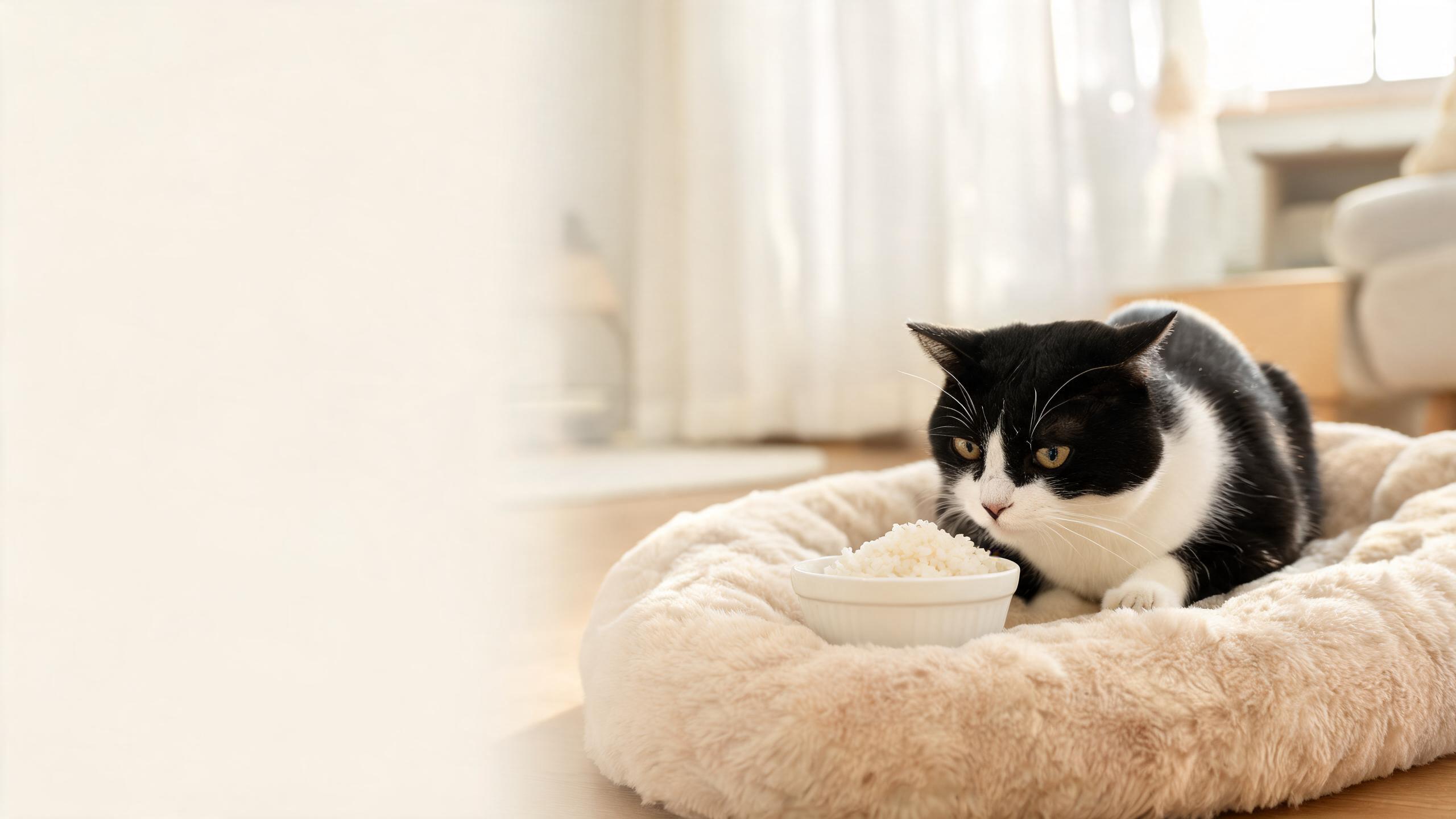
Wondering if rice is okay for your cat? It's not toxic, but here's why it's not ideal and what to feed instead for better health.
Picture this: you're digging into a steaming bowl of rice pilaf, and your cat jumps up, eyes locked on your fork. Tempted to share a bite? I've been there, and honestly, it's a common moment for cat owners.
But can cats eat rice without issues? Short answer: it's not poisonous, yet it doesn't do much good either. Cats are obligate carnivores, meaning their bodies crave meat-based nutrition above all. Carbs like rice? They're just empty calories that can pile on pounds fast.
Quick Takeaways
- Rice isn't toxic but offers zero real nutrition for cats.
- Stick to tiny portions – less than a tablespoon weekly, max.
- Skip it for kittens or upset stomachs; it won't help.
- Opt for plain, cooked meats as treats instead.
- Watch for tummy woes like vomiting or diarrhea after any rice.
Why Rice Falls Flat for Cats
Cats evolved to hunt and eat prey, not grains. A study from the University of Guelph back in 2014 hammered this home, showing how carb-heavy diets mess with feline metabolism and spike obesity risks by nearly double in just months.
Here's the thing: while dogs can handle carbs thanks to their omnivore setup, cats lack the enzymes to break them down efficiently. Feed rice regularly, and you're looking at extra fat that leads to diabetes, joint strain, or even heart troubles down the line. Not gonna lie, I've chatted with owners whose chubby cats ended up at the vet because of too many "harmless" table scraps.
And rice specifically? It digests poorly, sitting heavy in their guts. Ever noticed your cat eyeing rice but ignoring it later? That's instinct talking.
> Cats thrive on protein-packed meals – anything less is just going through the motions.
Want to support your pet's skin, coat, and joints naturally? Try PetJesty's Vegan Omega Oil — 100% plant-based, developed with vets.
White Rice vs. Brown: Pick Your... Non-Ideal?
White rice gets polished down, stripping away what little fiber and nutrients it has. Cats can nibble plain, well-cooked white rice in moderation – think a few grains mixed with their kibble once in a blue moon. But why bother? It adds nothing but potential calories.
Brown rice keeps the bran, so it's got a smidge more fiber and minerals. Slightly better, sure, but still a carb bomb for cats. Their short digestive tracts can't extract much value, leaving most undigested.
How Much Is Too Much?
Keep it under one tablespoon per week, plain and cooled. More than that? Trouble brews. Uncooked rice is a hard no – it expands in the stomach and could cause blockages. If your cat scarfs a bunch by mistake, ring the vet pronto.
Nope for Kittens or Tummy Troubles
Kittens grow like weeds and need every calorie to count toward muscle and bone development. Rice? It's like giving them cotton candy – fun maybe, but zero fuel. Just say no.
Now, about that old trick of rice for upset stomachs. Works wonders for dogs, right? Not cats. Their vomiting often signals something serious, like hairballs or infections, not just a bad snack. A 2020 paper in the Journal of Veterinary Internal Medicine noted cats puke 1-2 times monthly as normal, but more? Or with weight loss, diarrhea, or lethargy? Vet time, no ifs.
Rice might even worsen it, gassing them up or causing bloat. Straining in the box? Gas? Call it.
But let's talk real remedies. Hydration first, then vet-approved bland meats if needed. No rice shortcuts here.
Smarter Treats to Share with Your Cat
Want to bond over food? Go for what matches their wild roots: proteins. Here's a quick list of safe swaps:
- Cooked chicken (shredded, skinless, unseasoned)
- Turkey (plain, diced small)
- Lean beef (boiled, no fat)
- Tuna or salmon (canned in water, rinsed)
Portions? Tiny – a teaspoon or two tops, a couple times weekly. Always remove bones, skin, or extras. Watch for reactions; some cats get picky or sensitive.
I've seen cats light up over a speck of turkey way more than rice. And if you're tweaking their diet for shine or energy, something like our PetJesty supplements can fill gaps without the guesswork – but meats are the real star.
One time, a friend's tabby kept batting at her fried rice. We switched to chicken bits, and boom – happier cat, no regrets. Sound familiar?
What if rice sneaks in anyway? Signs to monitor:
- Stomach discomfort or whining.
- Vomiting more than usual.
- Diarrhea or soft stools.
- Gas and bloating.
- Litter box struggles.
- Lethargy or hiding.
Any of these, especially post-rice? Vet visit. Better safe.
And yeah, I know commercial cat foods balance everything out, but treats should enhance, not derail. Ever wondered why shelter cats stay lean on strict meat diets? That's the blueprint.
Look, rice won't kill your cat in small doses, but it's not doing them favors. My mildly hot take: table scraps like this are overrated – stick to cat-centric goodies and watch them thrive. We've all got that one cat who begs for everything; train 'em on the good stuff early.
That's the scoop on rice and cats. Keep their bowls focused on meaty goodness, and you'll dodge a lot of drama. Here at Royal Pet, we're all about fueling those instincts right – that's what PetJesty is built for. Got questions? Drop 'em below.
Stay pawsitive, Fiona