Cat Ate Vitamin D Pill? Act Fast
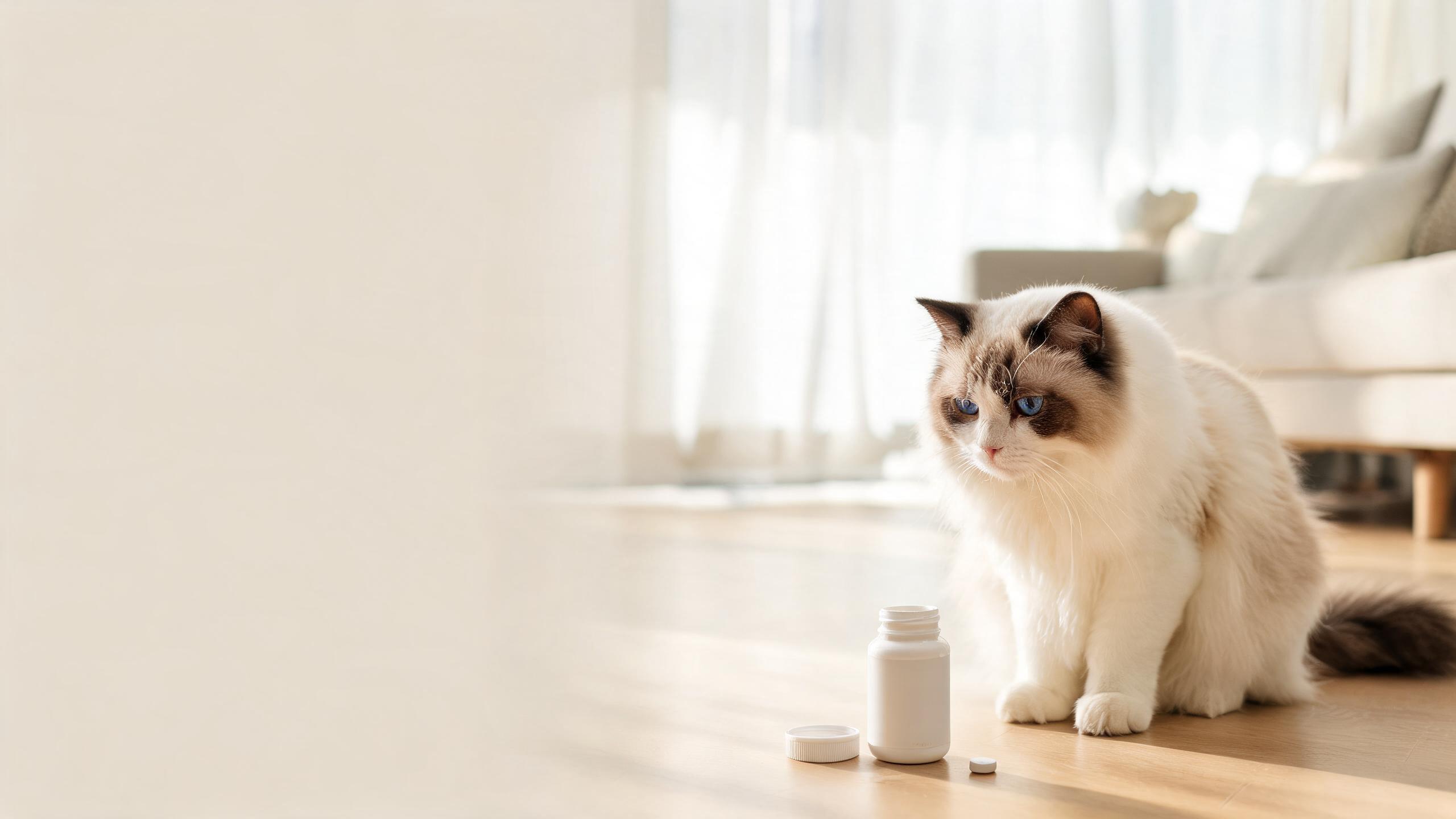
Your cat just swallowed a vitamin D pill? Don't panic, but don't wait. Learn the signs of toxicity, what to do immediately, and how to prevent it. Quick vet advice inside.
Picture this: you're rummaging through your purse, and there goes your cat, batting that fallen vitamin D supplement across the floor like it's the best toy ever. Seconds later, it's gone. Sound familiar? We've all been there, and honestly, it's scarier than it seems at first.
But here's the thing—vitamin D toxicity in cats isn't something to brush off. It messes with their calcium and phosphorus levels big time, potentially hitting kidneys, liver, even the heart. A study in the Merck Veterinary Manual details how cholecalciferol from rodenticides or pills builds up fast, leading to real damage if not caught early.
Quick Takeaways
- Call the vet now: Any non-prescribed vitamin D means emergency action, no exceptions.
- Watch for thirst and weakness: These hit first, within hours; organ issues show in 12-48 hours via bloodwork.
- No home remedies: Never make your cat vomit—risks pneumonia or worse.
- Kittens hit hardest: Smaller bodies mean quicker, worse effects.
- Prevention rules: Lock up pills and poisons; curiosity kills more than cats.
Why Vitamin D Turns Toxic for Cats
Cats need vitamin D for bones and immunity, sure. But the stuff in human pills or rodenticides? That's cholecalciferol, vitamin D3 on steroids. Vets prescribe tiny, controlled doses for kidney or parathyroid issues with low calcium. Anything else floods their system.
Too much spikes calcium and phosphorus. Kidneys clog up. Liver strains. Heart? It can slow to a crawl or go irregular. And young cats or kittens? Their pint-sized bodies absorb it faster, turning a nibble into a crisis. I've chatted with owners who thought one pill was no big deal—wrong. Even traces can kill.
> "Vitamin D poisoning builds silently at first, then slams hard—get ahead of it."
Want to support your pet's skin, coat, and joints naturally? Try PetJesty's Vegan Omega Oil — 100% plant-based, developed with vets.
Spotting the Danger Signs Early
Symptoms don't always scream right away. Could be minutes, hours, or sneak up in a day. Severity ties to dose: a single human pill might just weaken them; rat bait could end it.
Here's what to watch:
- Excessive thirst and peeing (polydipsia and polyuria—fancy terms for chugging water and flooding the litter box)
- Weakness or depression, like they're dragging through mud
- Vomiting, drooling, or refusing food
- Diarrhea, belly pain, maybe bloody stools that look tarry black
Worse hits later: labored breathing, seizures, tremors, slow heartbeat. Bloodwork at 12-48 hours reveals the real damage—elevated calcium over 12 mg/dL screams trouble.
And look, if they're panting hard or twitching, that's heart involvement. Not gonna lie, it's heartbreaking how fast it escalates from "off day" to emergency.
When Rodenticide Enters the Picture
Most cases? Rodent bait. Those green blocks or pellets pack 0.075% cholecalciferol—lethal in grams for a 10-pound cat. Plants or creams sneak it in too, but pills and poison lead. Curiosity plus access equals disaster.
What to Do If Your Cat Ingests Vitamin D
Stop everything and call your vet or an emergency clinic. Now. Tell them the product, amount guessed, time elapsed. Grab the bottle or packaging—ingredients guide treatment.
No inducing vomit at home. Aspiration pneumonia from that? Nightmare. Vets handle it safely if needed.
At the clinic:
- Physical exam checks heart, gums, hydration.
- Bloodwork and urine test calcium, phosphorus, kidney values.
- If recent (under 2-4 hours, no symptoms), they pump stomach or give activated charcoal to bind it.
Small dose? Monitor outpatient, recheck every 24 hours up to 96. Bigger? Hospital stay with IV fluids flushing kidneys, meds lowering minerals (like pamidronate), anti-nausea, heart support, even seizures drugs.
First 72 hours are make-or-break. Push fluids aggressively—aim for 2-3 times maintenance rate. Antibiotics guard against gut bleeds turning bacterial.
I've seen cats pull through with aggressive care. One owner I know raced in at hour 3; full recovery after a week. Delay? Chronic kidney disease for life.
Recovery and Long-Term Outlook
Quick action boosts odds. But even survivors need weeks of follow-ups. Kidneys might scar, leading to CKD—special renal diets, fluids forever. Heart or muscle damage lingers too.
Prognosis hinges on dose and speed. Under 0.5 mg/kg? Often fine with monitoring. Over 2 mg/kg? Guarded, maybe fatal. Merck notes survival drops sharp past that.
Here's my take: too many folks wait for "obvious" signs. Opinionated? Yeah—treat suspicion like certainty. Better a false alarm than regret.
And while you're nursing them back, consider balanced supplements like our PetJesty line at Royal Pet. We focus on safe, vet-backed nutrition without the overdose risks.
Locking Down Prevention
Cats pry open drawers like pros. Store vitamins, creams, rodenticides in locked cabinets. No countertop temptations. Outdoor cats? Scout for bait stations or toxic weeds.
Daily habit: pill bottles go up high or in latches post-dose. Plants like those with natural vitamin D spikes? Off-limits.
But prevention's only half. Know your home's risks. One locked cabinet saved a friend's kitten from a repeat scare.
Wrapping this up over our imaginary coffee—cats bounce back amazingly with fast help. Keep 'em safe, and they'll keep ruling the house. That's what we're all about here at Royal Pet, supporting you and your crew with real pet health know-how.