Cat Pooping Outside Litter Box? Here's Why
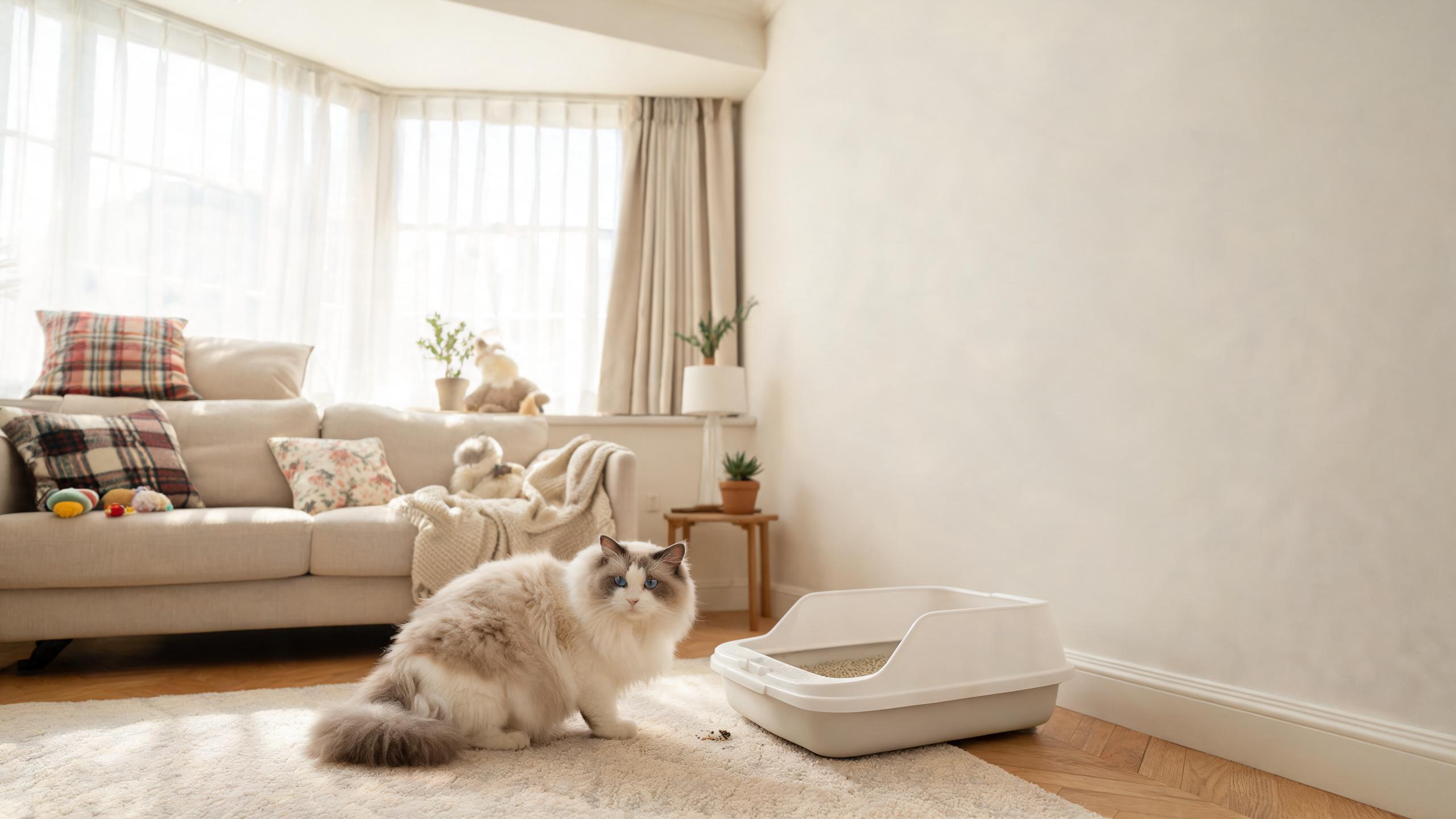
Frustrated by cat poop outside the litter box? Uncover medical, behavioral, and setup issues causing it, plus simple fixes to retrain your cat fast. (128 chars)
You step barefoot into the kitchen and squish right into a warm surprise. Your cat's pooping outside the litter box again. Heart sinks, doesn't it? Happens to the best of us cat lovers.
I've been there with a friend's tabby who turned the couch into his personal throne room overnight. Turns out, it wasn't rebellion. Cats don't do this for fun. Something's off, and pinpointing it quick stops the mess from becoming a habit.
Quick Takeaways
- Rule out health first: Vet check catches issues like constipation or arthritis in 10% of cases, per Cornell Feline Health Center data.
- Box basics matter: One litter box per cat, plus one extra, in quiet spots.
- Clean daily: Scoop once a day to keep your cat happy.
- Stick to preferences: Fine, unscented clumping litter wins most cats over.
- Watch changes: New poop spots signal stress or pain – act fast.
Medical Reasons Cats Avoid the Litter Box
But hold on – before blaming your cat's attitude, think health. Cats hide pain like pros. Sudden litter box skips scream medical issue more often than you'd guess.
Digestive Drama
Constipation hits hard. Hard, dry stools make pooping painful, so they pick softer spots like rugs. Diarrhea does the opposite – urgency wins over trekking to the box. A Journal of Feline Medicine and Surgery report notes inflammatory bowel disease affects up to 15% of older cats, triggering avoidance.
Joint and Mobility Woes
Arthritis stiffens those hips. Climbing into a high-sided box? No thanks. Declawed cats feel litter like broken glass on sore paws. I've seen older cats limp less after low-entry boxes – game-changer.
Diabetes or kidney trouble ramps up thirst and pees, overflowing boxes if you're not scooping enough. Cognitive fog in seniors adds anxiety, making the familiar box feel wrong.
And matted fur? Long-haired breeds get blockages around the backend. Pain city.
Track this: Note poop changes – smaller lumps, blood streaks, straining? Appetite dips or more water guzzling? Limping or skipping high perches? Tell your vet everything.
> Cats poop outside the box as a symptom, not spite. Ignoring it risks worse health down the line.
Want to support your pet's skin, coat, and joints naturally? Try PetJesty's Vegan Omega Oil — 100% plant-based, developed with vets.
Environmental Tweaks That Fix Everything
Okay, health cleared? Look around. Cats crave control. Tiny shifts wreck their routine.
Wrong spot kills it. Boxes need quiet corners with escape routes – no dead ends. Laundry rooms buzz with dryers; cats bolt.
Litter type? Kittens imprint early. Most dig fine or medium clumping, unscented. Deep piles over 2 inches? They hate digging through mountains.
Here's the thing: switch litters cold turkey, and boom – rebellion. Mix old with new over a week.
Behavioral Clashes in Multi-Cat Homes
And in houses with crews? Drama brews. One bully guards the box, blocking siblings. Watch for swats or stares near it.
Covered boxes trap smells and spook claustrophobes. High sides trip arthritic legs – go low and open.
New robot cleaners? Cool for you, terrifying for them. Routine breakers.
Not gonna lie, my opinion: skimping on boxes is lazy parenting. Rule of thumb: cats +1 boxes. Two cats? Three boxes. Scatter 'em – one per floor. No monopolies.
Dirty boxes top the hate list. Cats loathe stepping in yesterday's news. Multi-cat homes? Stress spikes if scooped late.
Step-by-Step Fixes to Retrain Your Cat
Ready to reclaim your floors? Start simple.
- Vet visit ASAP. Bloodwork rules out diabetes, kidneys, gut woes. Costs peace of mind.
- Upgrade boxes.
- Low sides for seniors.
- Uncovered, spacious.
- One per cat +1, spread out.
- Litter love.
- Unscented clumping clay.
- 1.5-2 inches deep.
- No switches without transition.
- Clean obsessively.
- Scoop daily.
- Full dump biweekly with enzyme cleaner (mild, no scent).
- Dry fully before refill.
- Location scout.
- Quiet, traffic-free.
- Far from food/water.
- Multiple exits.
Caught mid-act? Distract gently, guide to box, praise like crazy.
Confine to one room temporarily – box, food, bed. Success builds confidence. Enzymatic cleaners erase old scents; plain soap fails.
Ever tried pheromone diffusers? They calm nerves in stressed multis. Works for some, per my chats with vets.
But what if it's chronic? Behaviorist time. Rare, but digging reveals deep fears.
I've watched a client's Maine Coon flip from floor fiend to box boss in two weeks post-fixes. Patience pays.
One longer bit here while I sip my coffee thinking back: you know how cats glue to routines, right, so when life flips – new baby, move, even furniture shuffle – they rebel in the grossest way possible, pooping on your bedspread as if yelling 'fix this chaos,' and honestly, it forces us owners to step up and really listen to what they're signaling instead of just yelling no.
When to Worry More
Persistent despite tweaks? Red flags wave.
- Poop frequency shifts wildly.
- Straining or crying.
- Weight loss sneaks in.
- Blood or mucus shows.
Back to vet. Hyperthyroidism or parasites lurk.
Royal Pet gets it – healthy guts start inside. While troubleshooting boxes, a quality probiotic can ease mild digestive gripes, keeping things regular.
Steady fixes beat panic. Your cat wants the box too.
Hang in there, friend. Clean floors await. That's what we're chasing at Royal Pet – happy, healthy cats in harmonious homes.