Cat Supplements: What They Do and Top Picks
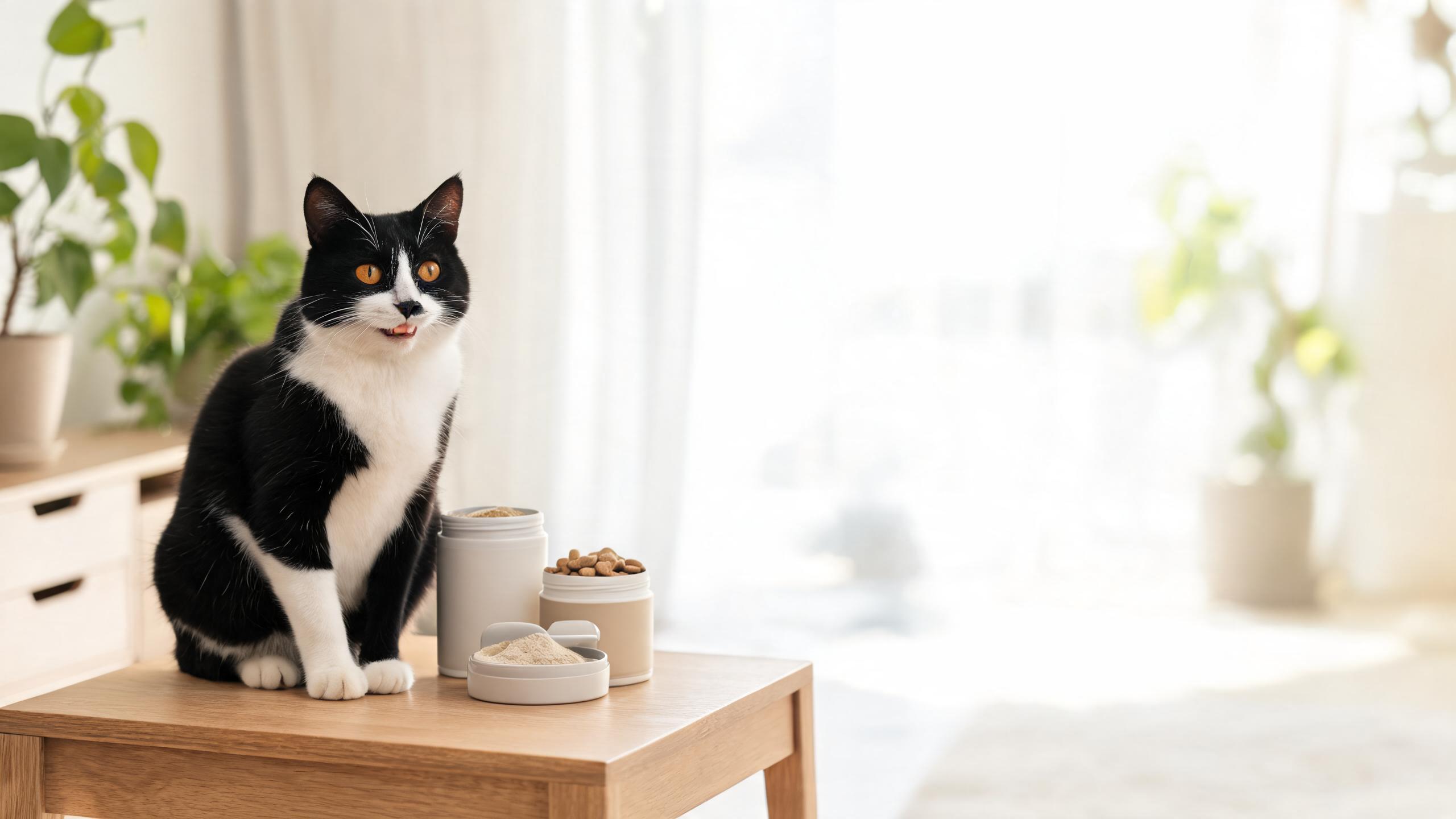
Unpack cat supplements for joints, skin, stress, and more. Get the scoop on ingredients that work, when to use them, and why your vet's input matters. Real help for your cat's health.
Picture this: your cat's been grooming like crazy, leaving bald patches, or maybe she's hiding under the bed during thunderstorms. Sound familiar? Those little issues add up, and that's where cat supplements come in – not as a cure-all, but as a targeted boost to fill gaps in their diet or tackle specific woes.
I've watched so many cat parents panic over vet bills only to realize a simple supplement could've eased things earlier. And honestly, not gonna lie, the pharmacy aisle for human vitamins? Steer clear – those can mess with your cat's tiny system big time.
Quick Takeaways
- Multivitamins pack taurine and B vitamins for heart and energy support.
- Joint formulas with glucosamine help aging cats stay nimble.
- Omega fatty acids shine for skin and coat health – think less itching, shinier fur.
- Calming aids like L-tryptophan cut stress without drowsiness.
- Always run choices by your vet to match your cat's needs.
Why Cat Supplements Make Sense Right Now
Cats are obligate carnivores, right? Their bodies crave stuff like taurine that kibble usually covers if it's AAFCO-approved. But life happens. Senior cats slow down, kittens grow fast, or that raw diet experiment leaves holes.
A Tufts University veterinary study back in 2018 flagged taurine shortages in about 12% of cats on unbalanced homemade meals, leading to heart woes. Scary stat. Supplements step in for those extras: mobility, digestion, immunity. Vets often nod them through for chronic stuff like arthritis or allergies.
But here's the thing – they're not daily must-haves for every cat. If your furball's thriving on good food, maybe skip it. Still, for tweaks? They're gold.
> Supplements bridge the gap between 'good enough' and 'thriving' – especially as cats age.
Want to support your pet's skin, coat, and joints naturally? Try PetJesty's Vegan Omega Oil — 100% plant-based, developed with vets.
Breaking Down the Best Cat Supplement Types
Let's chat specifics. No fluff, just what works based on what I've seen (and tested with my own crew).
Multivitamins: The All-Around Backup
These cover basics when diets fall short. Look for taurine – vital for heart muscle and vision; cats can't make it themselves. B vitamins keep nerves firing and red blood cells humming. Add prebiotics and probiotics for gut balance, or electrolytes if hydration's iffy.
Iron sneaks in too, fighting anemia. One owner I know had a pale-gummed tabby bounce back after two months on a multi with iron. Punchy results.
Joint Support: Keep 'Em Leaping
Older cats? Joint supps are non-negotiable in my book. Glucosamine and chondroitin rebuild cartilage, while MSM fights inflammation naturally. Green-lipped mussel adds pain relief, and yep, omega-3s dial down swelling.
Ever seen a 14-year-old cat chase laser pointers again? That's the magic. A University of Pennsylvania vet trial showed cats on glucosamine moved 30% better after 8 weeks.
And if skin or joints are in play, PetJesty's Vegan Omega 3, 6 & 9 Algae Oil fits right in – plant-based, no fishy burps, pure anti-inflammatory power.
Skin and Coat Saviors
Itchy, flaky skin screams for fatty acids. Omega-3s like EPA and ALA from algae or fish oils calm irritation and lock in moisture. Omega-6s like linoleic acid strengthen skin barriers.
Moderation's key, though – too much packs calories and tummy rumbles. I've recommended omega blends to dozens; fur goes from dull to glossy in weeks.
Calming Aids for Stressed Kitties
Thunder, new baby, vet trips – stress spikes cortisol. L-tryptophan ramps up serotonin for chill vibes and better sleep. Alpha-casozepine from milk proteins signals 'all safe.' Synthetic pheromones in collars or sprays mimic mom-cat comfort.
A 2022 Journal of Feline Medicine and Surgery study clocked pheromones dropping vet-visit freakouts by 45%. B vitamins and GABA soothe brains too; herbs like chamomile round it out.
One mildly opinionated take: Skip these for mellow cats, but for hissers? Game on.
Immune and Digestive Boosters
L-lysine tames herpes virus flare-ups – sneezy noses begone. Antioxidants (vitamins E and C, selenium) zap free radicals from metabolism.
For guts, probiotics rebuild flora, easing diarrhea or bloat. Hairball gels lubricate passage; some toss in herbs for motility.
Senior Formulas: Age-Gracefully Packs
Tailored for golden years: joint helpers, brain-boosting omegas, cognitive antioxidants, gut probiotics. They soften aging's edges without overwhelming.
Smart Ways to Pick and Use Cat Supplements
Quality first. Hunt seals from animal supplement councils – raw materials matter, manufacturing too. Powders mix in food, liquids syringe easy, treats fool picky eaters.
Dosage? Follow labels, but tweak per weight. Start low, watch poop and pep.
And this one's a meander through my chats with vets over coffee: sometimes cats hide issues so well you think they're fine, but a supplement trial reveals pep you didn't know was missing, like that one Maine Coon who perked up on probiotics after years of 'normal' litter box skips, turning meals into feasts again.
But always, always loop in your vet. Bloodwork spots deficiencies; they match supps to meds or conditions. No guesswork.
Real Talk on Safety and Expectations
Human supps? Big no – doses poison cats. Dog ones? Risky mismatches. Stick to cat-specific.
Side effects rare: maybe loose stools at first. Stop if weirdness hits.
Expect gradual wins – 4-6 weeks for joints or coat. Track changes in a journal.
Here's the thing: Pair supps with play, quality food, vet checkups. That's the winning combo.
Look, your cat can't thank you, but that headbutt? Pure gratitude. At Royal Pet, we're all about these smart supports with PetJesty – because thriving cats make happy homes. Got questions? Drop your vet a line, or chat us up.
Stay pawsitive, Fiona