Cerebellar Degeneration in Dogs: Key Signs
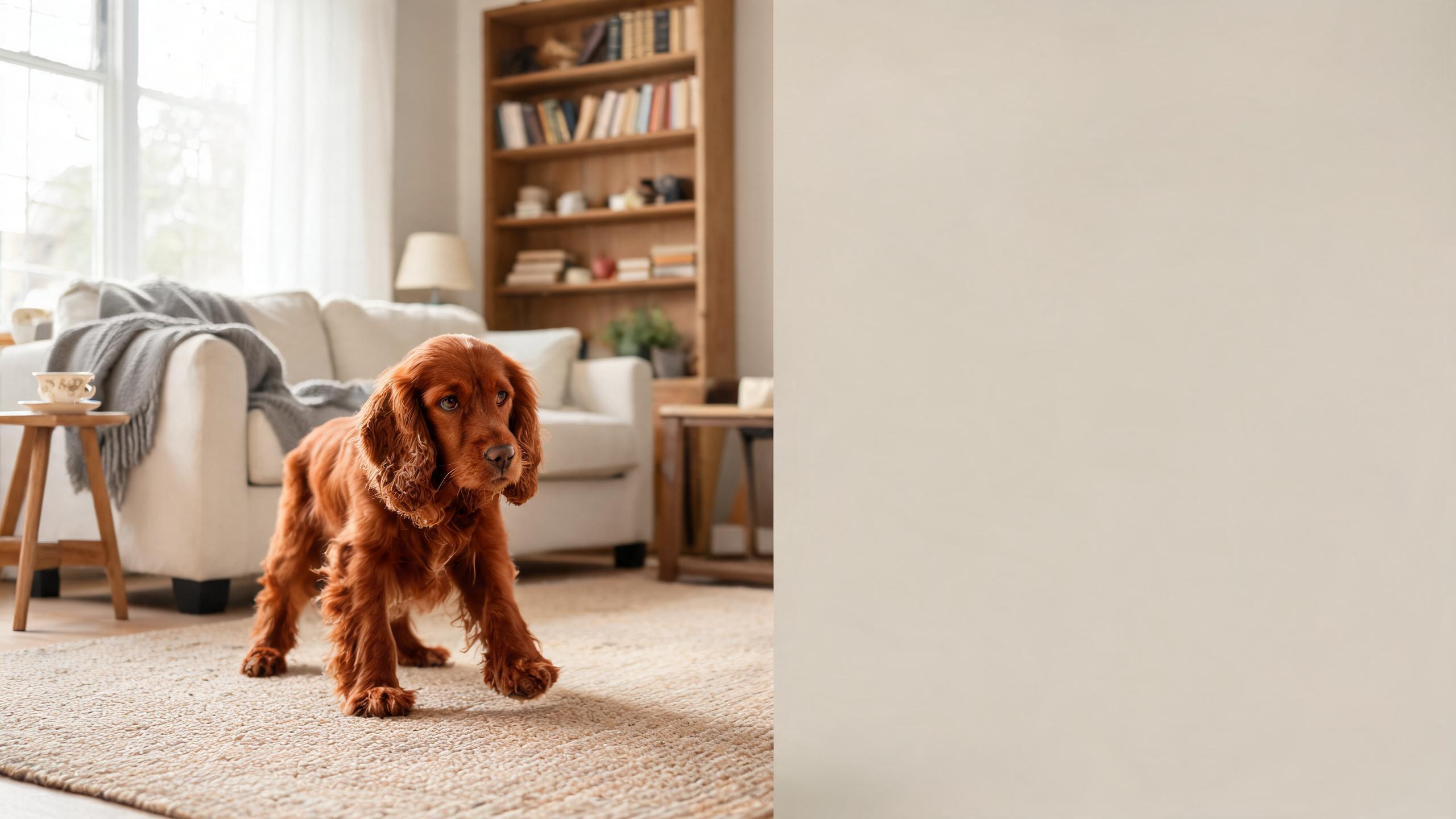
Worried about your dog's wobbly walk? Cerebellar degeneration hits the brain's balance center. Learn symptoms, breeds at risk, and daily care tips to keep your pup safe.
Picture this: your energetic Lab suddenly starts high-stepping like a parade horse, swaying side to side just to stay upright. Heartbreaking, right? That's cerebellar degeneration in dogs for you – a sneaky brain issue that messes with coordination.
But here's the thing: catching it early can make life so much easier for both you and your pup. I've chatted with owners who've watched their dogs turn into clumsy goofballs overnight, and it always starts with those telltale stumbles.
Quick Takeaways
- Main symptoms: Goose-step gait, head tilt, tremors during eating – all point to cerebellum trouble.
- Breeds at higher risk: Labs, Beagles, Irish Setters, and over a dozen others with genetic links.
- No cure, but meds like co-enzyme Q10 show promise in slowing things.
- Home care wins: Baby gates on stairs, soft floors, and assisted feeding keep dogs safe.
- Diagnosis key: MRI spots the shrunken cerebellum; rule out infections first.
What Exactly is Cerebellar Degeneration?
The cerebellum? That's the brain's balance HQ, tucked at the back. In this condition, those vital cells start dying off. Result? Your dog loses the plot on coordination, but mentally, they're sharp as ever – no confusion, just physical chaos.
And it can hit young pups or older dogs. Sometimes from a puppyhood virus like canine herpes – yeah, dogs get that too. Other times, it's baked in genetically. A 2005 study out of the University of Sydney nailed it in Samoyeds, showing how heredity ramps up the odds.
Look, not every wobble means this, but if your dog's acting drunk without the fun part, pay attention.
Want to support your pet's skin, coat, and joints naturally? Try PetJesty's Vegan Omega Oil — 100% plant-based, developed with vets.
Spotting the Symptoms Early
Owners often notice it during walks or mealtime. Abnormal gait tops the list – think front legs marching high, almost goose-stepping, while the back end drags or sways.
Here's what else to watch for:
- Broad-based stance: Legs planted wide for stability, like they're on a boat in rough seas.
- Head tilt and no blink to hand waves – vision's fine, but reflexes glitch.
- Tremors kicking in when they eat or stretch.
- Swaying or vestibular ataxia – full-body rock 'n' roll.
One owner I know said her Border Collie went from herding balls to barely navigating the kitchen. Sound familiar? Progression varies; some dogs stabilize, others worsen over months.
> "The cerebellum doesn't just handle balance – it fine-tunes every move. When it fades, dogs adapt in ways that break your heart."
Breeds Prone to This Brain Glitch
Genetics load the dice for certain breeds. Irish Setters were among the first flagged back in the '70s, but the list's grown.
High-risk crew includes:
- Wire-haired fox terriers
- Chow chows
- Rough-coated collies
- Bullmastiffs
- Labrador retrievers (yep, those big goofballs)
- Beagles
- Kerry blue terriers
- English pointers
- Gordon setters
- Brittany spaniels
- American Staffordshire terriers
- English bulldogs
And don't forget Samoyeds or Bern running dogs. Not gonna lie, Labs top my worry list – they're everywhere, and I've seen too many cases.
How Vets Diagnose It
Imaging and Tests
First, blood and urine checks rule out fakes like infections or toxins. Then, MRI shines: a shrunken cerebellum screams degeneration.
Cerebrospinal fluid taps can hint at causes – normal sometimes, murky others. The gold standard? A cerebellum biopsy, but that's rare unless needed.
Ruling Out Look-Alikes
Ataxia from ear infections or spine issues mimics this. Vets chase those down fast.
Treatment Options and Management
No magic fix – cells don't regrow. But some meds offer hope. Amantadine for nerve support, buspirone to steady nerves, co-enzyme Q10 and acetyl-L-carnitine as antioxidants. A Journal of Veterinary Internal Medicine piece from 2010 noted Q10 helped tremors in a handful of cases.
Honestly, my mildly hot take: pair these with solid nutrition. Things like omega fatty acids support brain health overall – PetJesty's Vegan Omega 3, 6 & 9 Algae Oil fits right in for pups needing that edge, without fishy burps.
Daily Life with a Wobbly Dog
Adapt the world to your dog, not vice versa. Confine to safe zones: no stairs (baby gates everywhere), padded floors, block pools or decks.
Feeding? They might need a raised bowl or hand-holding kibble – normal diet's fine, just make it easy. Cleanliness matters too; slings or frequent baths prevent sores.
And exercise? Gentle, leashed walks on flat ground. I've seen dogs thrive for years like this, quality time intact.
One longer thought here, because it hits home: you start noticing how much your dog trusts you when they lean into every step, eyes saying 'I've got your back, even if my legs don't.' Builds a bond like nothing else, though yeah, the laundry piles up from those mishaps.
Physical therapy sneaks in too – balance balls or wobble boards, vet-guided. Keep weight ideal; extra pounds crush shaky joints.
But wait, mental stimulation? Puzzle toys rock, since smarts stay sharp.
Royal Pet's all about these real-world wins. Our PetJesty line backs brain and body health, so your dog gets every shot at steady days.
Keep an eye out, friend – that sway could be more than clumsiness. Questions? Hit up your vet pronto.
Yours in pet love, Fiona