Cold Agglutinin Disease in Cats Explained
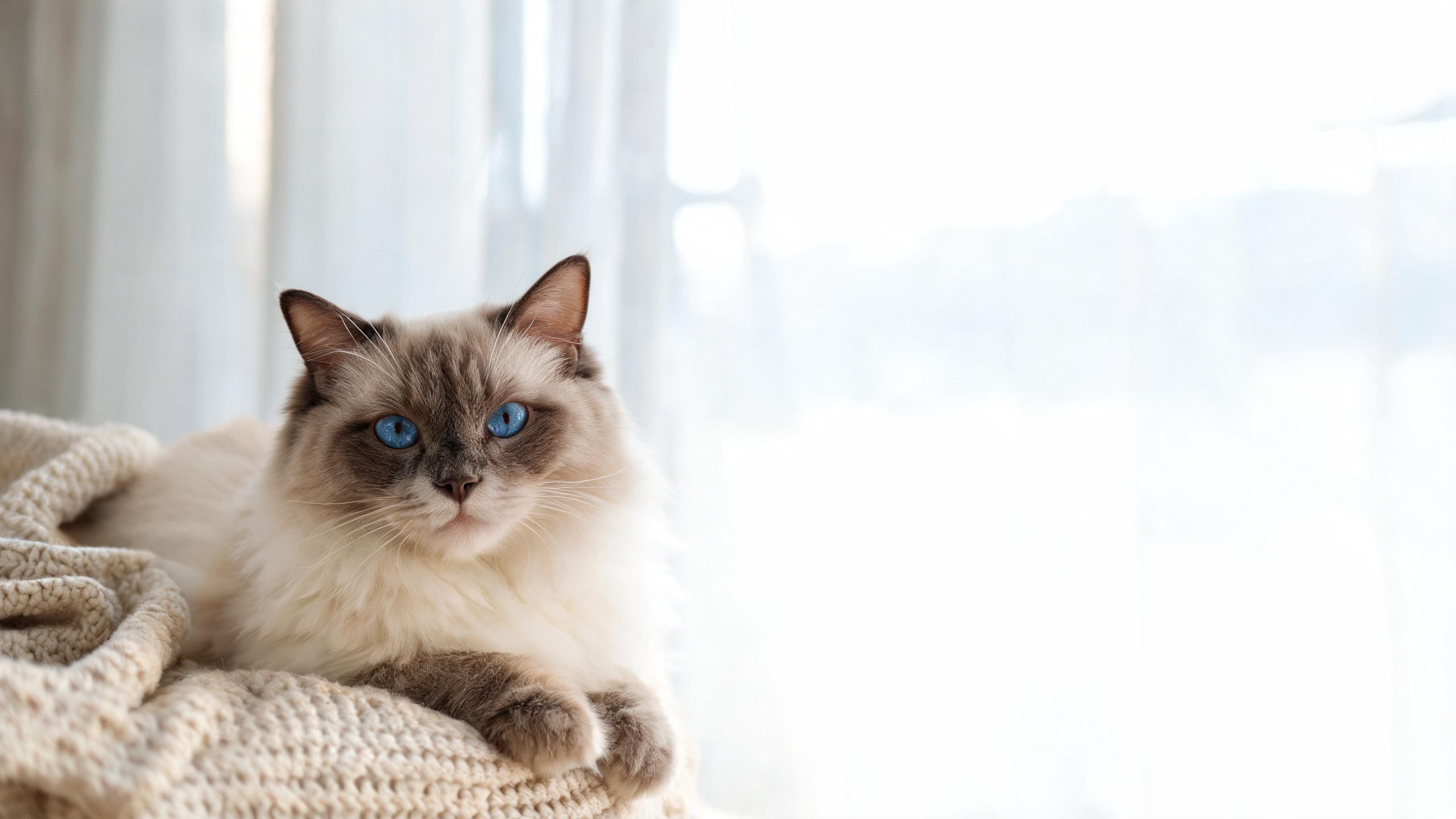
Discover cold agglutinin disease in cats: a rare autoimmune issue triggered by cold. Learn symptoms, diagnosis, and how to keep your cat warm and safe. Essential for cold-climate owners.
Picture this: your cat comes in from a brisk walk on a frosty morning, and suddenly the tips of her ears look a bit off-color, almost bluish. Cold agglutinin disease hits cats like this – a sneaky autoimmune reaction where the body's defenses turn against red blood cells in cooler spots of the body.
I've chatted with owners who've panicked over blackened tail tips, thinking it was frostbite. But nope, sometimes it's this rare condition kicking in below 99°F. Cats in chillier areas see it more, and it can lead to real pain if ignored.
Quick Takeaways
- Cold agglutinin disease causes red blood cells to clump in cooler body areas, risking skin damage and necrosis.
- Watch for blue-tinged ears, tail, nose, or paws after cold exposure – pain and ulcers often follow.
- Diagnosis relies on history, exams, and lab tests showing cell clumping at low temps.
- Keep cats warm always; relapses are common, and prognosis is guarded.
- Supportive care in a heated space can stabilize most cases, but severe damage might need surgery.
What Triggers Cold Agglutinin Disease?
And here's the weird part: these antibodies, called cold agglutinins, get extra aggressive when temps drop below normal body heat. They make red blood cells stick together like glue in the extremities – think ears, tail tip, nose, feet.
Normally, a cat's core stays toasty at 101-102°F, but peripherals cool off fast in winter drafts. That's when clumping happens, sludging up vessels and cutting off blood flow. A University of Pennsylvania veterinary study from 2015 noted how these antibodies bind tighter below 37°C, sparking inflammation.
Most cats have tiny amounts of these naturally – titers under 1:32, no big deal. But in this disease, levels spike, and cold amps it up. Primary cases? Idiopathic, maybe genetic. Secondary ones link to upper respiratory bugs. Not gonna lie, I blame a lot on owners letting cats roam in snow – indoor life saves headaches.
> "Cold doesn't just chill your cat; it can literally make her blood turn against her."
Want to support your pet's skin, coat, and joints naturally? Try PetJesty's Vegan Omega Oil — 100% plant-based, developed with vets.
Spotting Symptoms Early
Owners often miss the early signs. Starts with acrocyanosis – that bluish tint on cold extremities from blood cell piles blocking flow. Then erythema, red inflamed skin, followed by ulcers and crusty necrosis. Ears shorten, tails blacken, paws swell. Ouch – those spots hurt to touch.
Anemia sneaks in sometimes: pale gums, fast breathing, weakness, even jaundice. Heart races, spleen might puff up a tad. Ever seen a cat limp after pawing snow? Sound familiar?
I've helped a friend whose tabby lost half his tail tip before we connected the dots. Cold snaps worsened it yearly. Key? History of chill exposure. Without that, you'd chase frostbite or allergies forever.
Common Signs to Check
- Bluish or red extremities post-cold.
- Painful, ulcerated tips on ears/tail/nose/feet.
- Lethargy, rapid breath/heart if anemic.
Diagnosis: Piecing the Puzzle
Your vet starts with the story – "When did the cold hit? Any recent sniffles?" Physical exam spots those telltale lesions. Blood work checks anemia type: this one's distinct from warm-antibody hemolytic issues.
The gold standard? In vitro cold agglutination. Blood smears at room temp show clumping; warm it up, and cells separate. Rules out lookalikes like lupus, cancers, toxins, or DIC. Rouleaux (stacked cells) can fake it, so pros watch close.
A Journal of Feline Medicine and Surgery paper detailed how low titers mean zilch, but high ones with thermal amplitude signal trouble. Labs measure complement too – that's the hemolysis kicker at warmer temps.
But diagnosis isn't always straightforward. Skin biopsies sometimes needed to nix pemphigus or drug reactions.
Treatment and Keeping It at Bay
First move: hospitalize in a warm environment. Think incubators at 85-90°F till stable. No cold drafts, ever.
Supportive stuff rules: fluids for anemia, pain meds, wound care. Ulcers? Clean, bandage. Necrotic tail or toes? Amputation if gangrene sets in. Splenectomy rarely helps here – IgM antibodies dodge it.
Look, here's the thing: recovery drags weeks. Prognosis? Guarded to fair. Relapses love repeat offenders, so permanent warmth is non-negotiable. Heated beds, no outdoor jaunts below 50°F. My opinion? Cats prone to this belong strictly indoors year-round – end of story.
Long-term, dodge triggers. URI vaccines cut secondary risks. Monitor blood yearly if history lingers.
Home Management Tips
- Insulate sleeping spots with self-warming mats.
- Avoid car rides in winter without blankets.
- Check extremities daily in cold months.
- Warm foods gently – no icy bowls.
And for overall vitality, quality nutrition bolsters immunity. At Royal Pet, our supplements support resilient health, helping cats bounce back stronger.
I've seen so many pull through with diligence. One client’s Maine Coon thrives now, tail intact, thanks to vigilance.
Keep your cat cozy through the seasons – that's the real win. We're here cheering you on at Royal Pet, because healthy pets make the best companions.