Cold Weather Care for Dogs: Keeping Your Dog Warm and Well in Winter
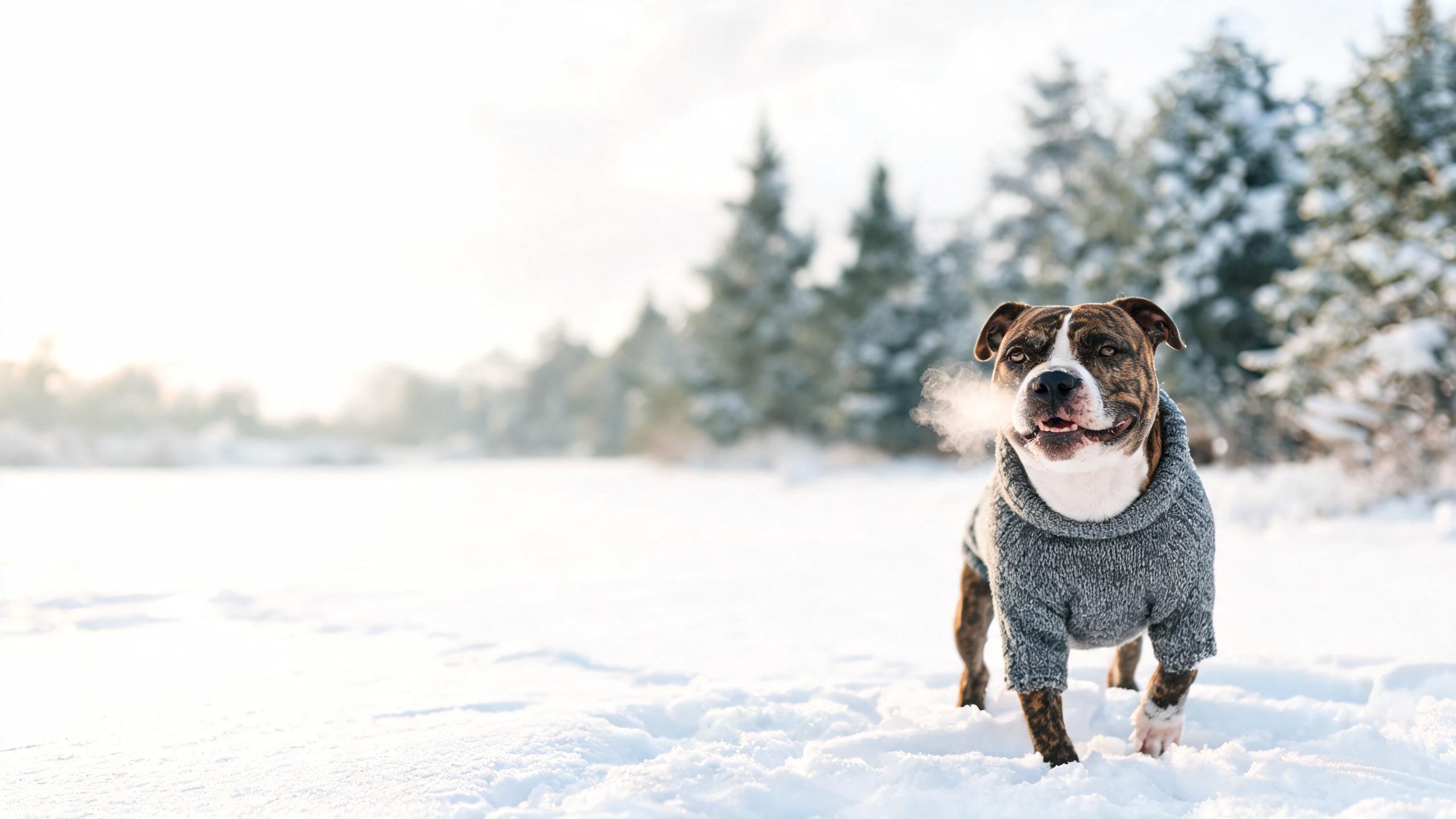
Winter brings its own hazards for dogs, from dry skin to icy walks and hidden toxins. Here is how to keep your dog warm, comfortable and safe through the cold months.
When the temperature drops, our dogs feel it too — some far more than others. A thick-coated Husky may be in their element while a thin-coated Greyhound shivers at the back door. Winter care is about reading your individual dog and heading off the season's particular hazards.
Is it too cold for my dog?
It depends enormously on the dog. Coat type, size, age, body condition and acclimatisation all play a part. As a rough guide, most dogs are comfortable down to chilly temperatures, but small, thin-coated, very young, old or unwell dogs feel the cold much sooner and benefit from a well-fitted coat on walks. Signs your dog is too cold include shivering, reluctance to walk, lifting paws off the ground, whining and seeking shelter.
Winter walk hazards
The cold itself is only part of the story. Winter walks bring a few specific dangers:
- Grit and de-icing salt irritate and crack paw pads, and are dangerous if licked off. Rinse and dry paws after walks.
- Antifreeze is sweet-tasting and highly toxic — even a small amount is an emergency. Clean up spills and keep containers sealed and out of reach.
- Ice and frozen water — never let a dog onto a frozen pond; the risk is simply not worth it.
- Shorter daylight means more walks in the dark, so reflective or light-up gear keeps you both visible.
The winter skin problem
Here is one many owners miss: central heating and cold outdoor air make winter the prime season for dry, flaky, itchy skin. The constant swing between a warm, dry house and the cold outside pulls moisture from the skin and coat. You may notice more dandruff, a duller coat and more scratching through the colder months.
You can help by not over-bathing (which strips natural oils further), brushing regularly to spread those oils, keeping your dog hydrated, and supporting the skin barrier from the inside with the right fats. Omega-3 fatty acids support skin hydration and a healthy barrier, which is exactly what winter skin needs.
Warmth and comfort at home
Indoors, give your dog a warm, draught-free bed away from cold floors, raised slightly off the ground if you can. Older and arthritic dogs in particular feel the cold in their joints, and a warm bed plus gentle, regular movement helps keep stiff joints comfortable. Keep up exercise even when it is grim out — a bored, under-exercised dog is an unhappy one — but adjust to the conditions and your dog's tolerance.
Don't forget the basics
Dogs can still get dehydrated in winter, so keep fresh water available and unfrozen. Maintain flea and worm prevention — warm homes keep parasites active year-round. And keep an eye on weight, as some dogs move less in winter and quietly pile on the pounds.
The takeaway
Winter care comes down to knowing your dog's cold tolerance, protecting their paws and skin, avoiding the season's toxins and keeping them warm and active. Do that and the cold months can be just as happy as the warm ones.
To support your dog's skin and coat through the dry winter months, PetJesty's Vegan Omega 3, 6 and 9 Algae Oil delivers clean, mercury-free DHA that helps maintain a healthy skin barrier and a glossy coat — a simple daily habit when central heating is working against you. If you ever suspect antifreeze poisoning, treat it as an emergency and call your vet immediately.