Deafness in Dogs: Signs and Causes
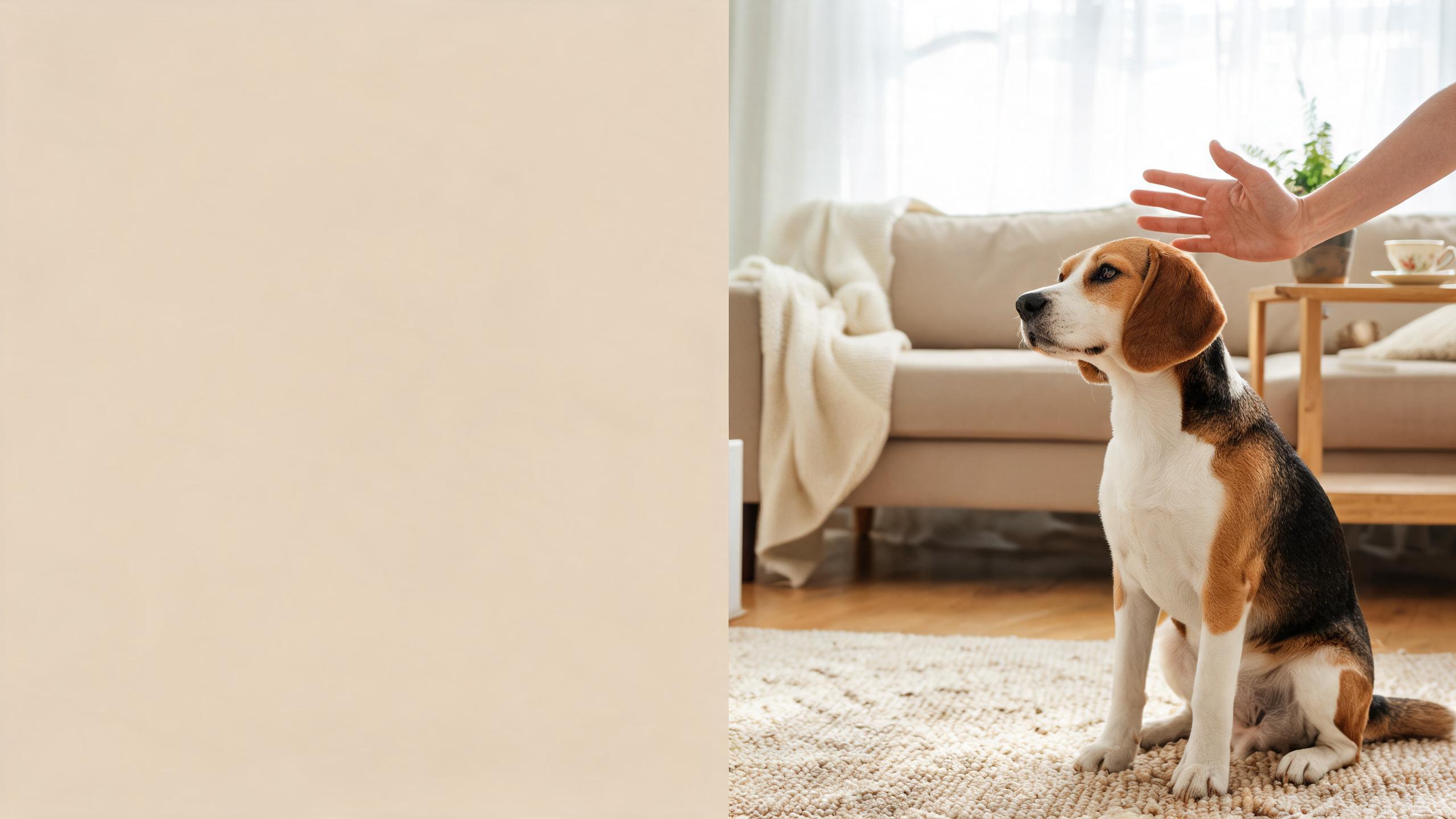
Is your dog ignoring you more than usual? Discover common signs of deafness in dogs, from puppyhood to senior years, plus causes and next steps to help your pup thrive.
Picture this: your dog doesn't flinch at the doorbell, sleeps through a thunderstorm, or barks endlessly at nothing in particular. Sound familiar? Deafness hits dogs more often than you'd think, affecting pups from birth right up to their golden years.
I've chatted with countless owners who've brushed off these clues as stubbornness, only to find out later it was hearing loss. And honestly, catching it early can make all the difference.
Quick Takeaways
- Up to 30% of certain Dalmatian lines are born with congenital deafness, per a Journal of the American Veterinary Medical Association study.
- Ear infections often cause reversible partial hearing loss if treated fast.
- Senior dogs commonly face age-related presbycusis, starting around 12-15 years old.
- Drugs like cisplatin can trigger permanent damage; always weigh risks with your vet.
- Simple tests at home, like a loud clap behind the head, flag issues before they worsen.
Spotting the Signs Early
Dogs are pros at hiding hearing problems. They tilt their head, use their eyes and nose more, and boom, you might not notice for months. But here's the thing: partial deafness, where they lose one ear or certain pitches, fools even sharp owners.
Common red flags? No reaction to everyday noises like your voice or a treat bag rattle. They might sleep like the dead, ignoring fireworks. Or get confused, barking at shadows because they can't pinpoint sounds. Watch for a raspy bark change or ears that stay still during chats.
One owner I know had a Border Collie who seemed fine until fireworks season. Turned out, one ear was shot from an old infection. Not gonna lie, it broke her heart, but treatment brought some hearing back.
> "Dogs compensate so well for hearing loss that owners often miss it until it's advanced." – A vet insight from years in practice.
If your pup startles easily from touch but ignores claps from behind, that's a classic hint. Test gently: make a sharp noise out of sight. No ear twitch or head turn? Time for a vet visit.
Want to support your pet's skin, coat, and joints naturally? Try PetJesty's Vegan Omega Oil — 100% plant-based, developed with vets.
Common Causes of Hearing Loss
Deafness isn't one-size-fits-all. It splits into conduction issues (sound can't travel properly) and nerve damage (brain doesn't get the signal). Let's break it down.
Born That Way: Congenital Deafness
Puppies can arrive deaf due to wonky inner ear development. A University of Pennsylvania study pinned this on genetics, hitting breeds like Dalmatians (8-10% bilateral deafness), Australian Cattle Dogs, and Cocker Spaniels hard. White or merle coats up the odds because of pigment genes messing with the cochlea.
Moms with infections or toxins during pregnancy pass it on too. Sad part? It's permanent, and you won't spot it till 4-6 weeks when ears should perk up. But these dogs adapt amazingly with hand signals and vibes.
Infections That Sneak In
Ear troubles top the reversible list. Otitis externa clogs canals with gunk, muffling sounds. Clean it up quick, and hearing bounces back.
Deeper woes like middle ear infections rupture eardrums or scar bones, delaying recovery by weeks. Inner ear hits the nerves hardest, often with wobbles or head tilts. Treat fast, or it's game over for that ear.
I've seen Labs shake their heads raw from yeast buildup. A good vet cleanout fixed 80% of cases I've heard about.
Age, Drugs, and Everyday Risks
And then there's presbycusis, that slow fade in seniors. By 12 years, many dogs lose high pitches first, like squeaky toys vanish. Genetics and wear-and-tear team up here.
Toxins? Chemo like cisplatin or loop diuretics fry the cochlea over time. Vets prescribe them for dire stuff, but monitor closely. Trauma counts too: no cotton swabs in ears, folks! One poke, and you risk rupture.
Hunting dogs near gunshots? Noise trauma builds up. Ear muffs exist for them.
Systemic stuff sneaks in: hypothyroidism doubles odds, Cushing's alters blood flow, cancers block signals. Even meningitis scrambles brain processing.
How Vets Figure It Out
Your vet starts simple: a hands-on check with an otoscope for infections or growths. But excitement makes dogs "hear" variably, so history matters. Tell them about meds, recent illnesses, or that sudden drop-off.
They'll test balance and nerves too. Head shakes or circling scream inner ear trouble.
Blood work sniffs out thyroid or adrenal glitches. X-rays spot body-wide cancers, but CT or MRI nails skull issues. A BAER test (brainstem auditory evoked response) is gold standard, measuring nerve signals with clicks. It's quick, under sedation sometimes.
Don't skip this. One meandering path I've followed with worried owners goes like this: you notice odd sleeping, vet rules out pain, bloods are off, thyroid med starts, and boom, hearing perks up a bit because better circulation helps those tiny ear vessels.
Treatment: What Works and What Doesn't
Chase the cause, always. Infections? Antibiotics, antifungals, flushes. Most conduction blocks clear up 90% of the time if you act before scarring sets in.
Congenital or age-related? No cure, but life hacks rule. Vibrating collars for alerts, sign language for commands, even laser pointers. Hunting dogs get custom protection.
Toxicity? Switch drugs if possible. Supportive care for systemic ills brings partial gains.
Here's my mildly hot take: too many owners wait till full deafness hits, missing windows for reversals. A 2022 Veterinary Ophthalmology paper showed early otitis treatment saves hearing in 75% of cases. Proactive beats regret.
PetJesty's focus on overall vitality helps too, keeping inflammation low with clean nutrition so ears stay resilient.
But prevention shines brightest. Skip home ear cleaning unless vet-approved. Keep volumes sane around pups. Screen breeds for genetics.
Living with deaf dogs? They're joyful anyway. My neighbor's deaf Jack Russell fetches by sight and lives large. Adjust expectations, amp up visuals and scents.
Royal Pet's all about giving dogs their best shot at health, ears included. Drop us a line if you're navigating this – we've got your back.
– Fiona