Decode Your Dog's Body Language
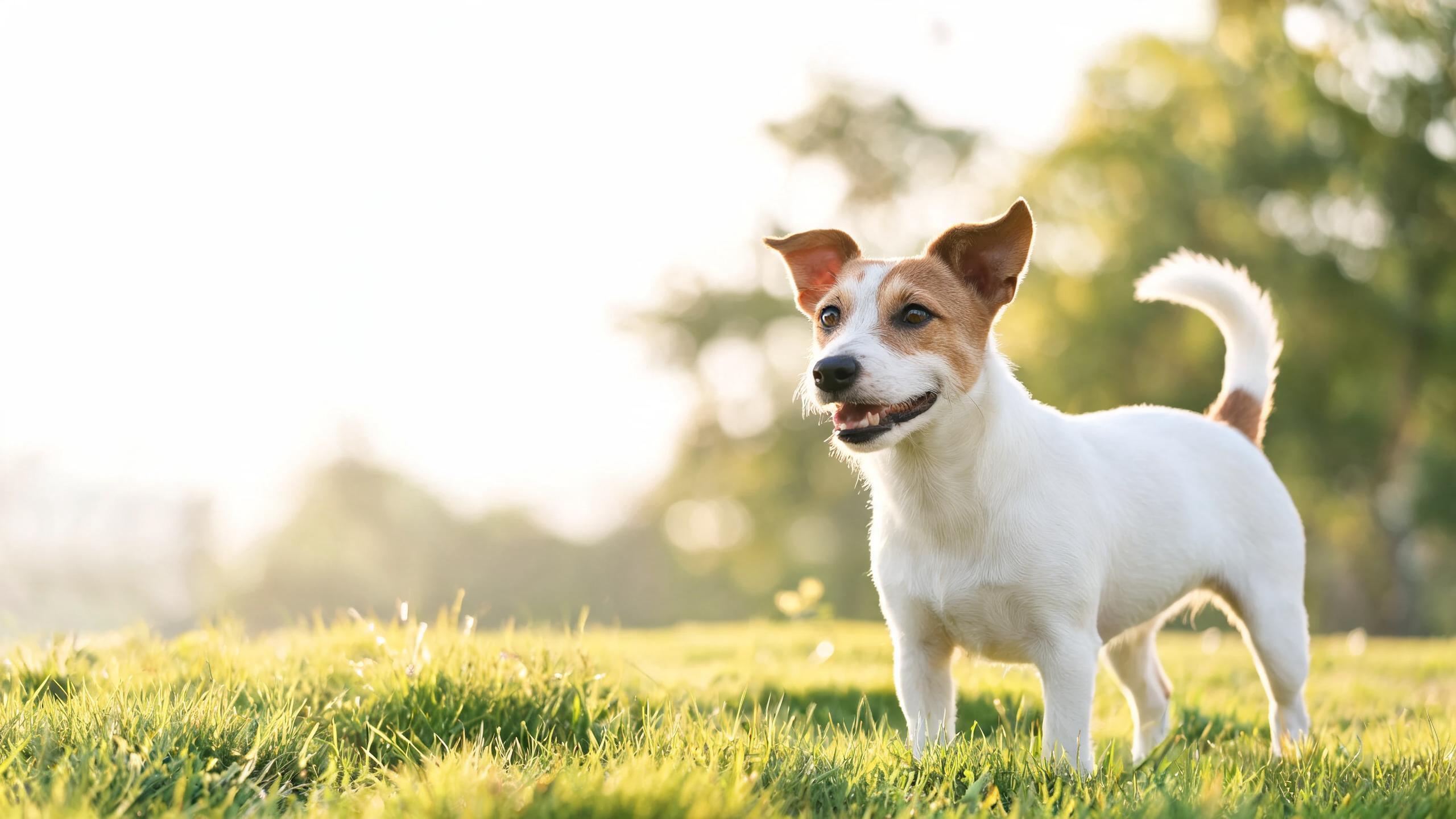
Spot relaxed tails, tucked ears, or stiff postures to understand if your dog is happy, stressed, or on edge. Prevent bites and build trust with these real signals.
Picture this: your dog bounds over with a furiously wagging tail, you reach down to pet them, and suddenly teeth flash. Ouch. Happens way too often because we humans zero in on that tail and miss the full story.
Dogs are chatting non-stop through their bodies. Ears, eyes, mouth, tail, posture—it's all part of the message. Get this right, and you'll dodge misunderstandings, cut down on stress for both of you, and deepen that bond. I've watched so many owners misread cues and end up with a frustrated pup. Time to change that.
Quick Takeaways
- Read the whole body, not just the tail—wagging doesn't always mean happy.
- Stress shows up early with yawns, lip licks, or looking away; catch it before growls.
- Fearful dogs tuck tails and whale-eye; don't push them.
- Aggressive stances are stiff and forward-leaning—give space.
- Every dog varies, but these patterns hold for most breeds.
Relaxed Dogs: Loose and Loving It
A chill dog looks like they're ready for fun or just hanging out comfortably. Their body wiggles softly, no tension anywhere.
Ears sit natural—pointed ones straight up but relaxed, floppy ones draped forward a bit. Eyes stay soft, no squint or stare, forehead smooth as glass. Mouth might be closed easy or open in a loose pant if they're playing.
The tail swings wide and loose, level with the spine, or a tad higher during zoomies. Overall, they're bouncy, weight even on all fours. Sound like your pup on a good walk?
But here's the thing: exaggerated play bows or spins? That's peak relaxation. A 2018 study in the Journal of Veterinary Behavior found relaxed dogs engage 40% more with their world without fear responses.
Want to support your pet's skin, coat, and joints naturally? Try PetJesty's Vegan Omega Oil — 100% plant-based, developed with vets.
Alert Mode: Ears Perked, Eyes Locked
And then there's the alert dog, scanning the scene like a pro. Not stressed yet, just gathering intel.
Ears forward, base swiveling even on floppy breeds. Eyes wide but chill, focused ahead, forehead flat. Mouth shut without lip pull. Tail straight out, maybe a slight wag.
Posture? Even weight, ready stance on all feet. They're deciding: approach or wait? I've seen this a ton with my neighbor's lab meeting new squirrels—pure curiosity.
Stress and Nervous Vibes: Calming Moves to Watch
Stressed dogs don't just freeze; they throw out calming signals to dial things down. Ignore these, and tension builds.
Look for:
- Yawning big, not from tiredness
- Lip licks or smacks
- Turning head away, then peeking back
- Slow curves when approaching
- Freezing mid-step
- Ground sniffing out of nowhere
- Paw lifts or shakes like wet
They avoid eyes or flick away fast. Exaggerated sneezes, grooming fits, scratches? Red flags. Honestly, not gonna lie, this is where most bites start—owners push past these polite "back off" pleas.
> "Dogs offer over a dozen calming signals before escalating; missing them risks trust."
A University of Bristol paper clocked lip licking in 85% of uneasy dogs at parks. Spot it early, step back, and watch relief wash over them.
Fearful and Appeasement: Shrinking to Stay Safe
Fear amps up the stiffness. Dogs hunch low, head down, body curved.
Ears flat back. Eyes whale-eye—whites showing as they turn away but peek. Mouth clamped tight, corners yanked back, or sudden pants. Tail glued to belly.
Weight shifts rearward, shedding fur like crazy. Appeasement kicks in next: they drop low, roll belly-up, or grin teeth in deference. Licking muzzles, slow wags low, paw up. It's all "I'm no threat!"
Don't comfort-force here; it ramps fear. Let them decompress.
Aggressive Signals: Tense and Ready
Aggression varies—fear-based or bold—but bodies scream stiff and forward.
Ears depend: back for fear, forward for confidence. Eyes hard stare, forehead wrinkled. Mouth tense, lips curled, teeth bared. Tail low/tucked in fear, high and twitchy in confident cases.
Piloerection—hackles up—over shoulders and spine base. Rigid legs, weight forward. No wiggle, just readiness.
Research from the Applied Animal Behaviour Science journal notes 70% of aggression follows ignored stress cues. Whole-body read is key; one part lies.
I've got a mildly opinionated take: tail wags in aggression? Tight and high, not the happy helicopter spin. Owners obsessed with wags cause half these issues.
Putting It All Together
Dogs mix signals, so scan top to tail. Relaxed? Engage. Stressed? Space. Fearful/aggressive? Retreat and reassess. Practice at dog parks or with guests—your reactions shape their trust.
Ever notice how calmer dogs have glossier coats and peppier steps? Less chronic stress means better health overall. That's where something like PetJesty's Vegan Omega 3, 6 & 9 Algae Oil shines for fending off inflammation from anxiety, keeping skin and joints happy without fishy vibes.
Look, mastering this isn't overnight, but it'll transform walks, playdates, even vet visits. Your dog will thank you with more tail spins—the real happy kind.
Catch you next time—happy reading tails from here at Royal Pet, where we geek out on keeping pups their best selves.