DIY Cat Shelves: Safe & Fun Build Guide
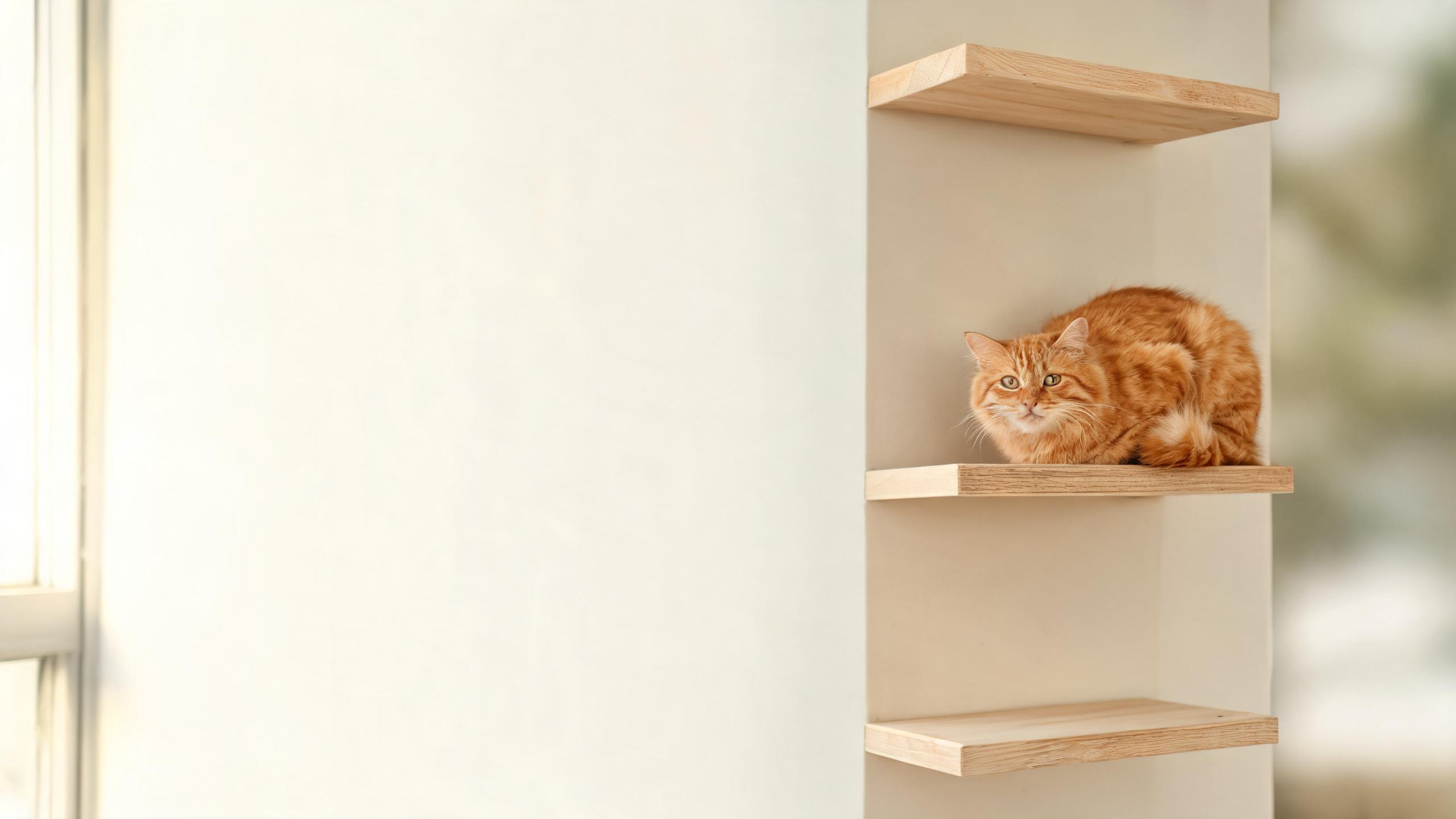
Give your cat endless fun with DIY cat shelves. Easy steps for sturdy, safe builds that boost exercise and cut stress. Perfect for apartment cats needing vertical space.
Cats aren't made for flat floors. They crave heights, jumps, and secret spots. But here's the thing: cramming them into tiny apartments without vertical playgrounds leads to bored, zoomy furballs knocking over lamps at 3 a.m. I've watched friends' cats turn into furry wrecking balls until they added shelves. Time to fix that with some simple DIY cat shelves.
Quick Takeaways
- Cats with vertical space scratch 40% less, per a University of Bristol study on feline behavior.
- Use scrap wood and brackets for cheap, sturdy builds under $50.
- Cover shelves in carpet remnants for grip and claw heaven.
- Always check wall studs for safety – no wobbles allowed.
- Watch stress melt away as your cat claims her new empire.
Why Your Cat Needs Shelves More Than You Think
Picture this: wild cats roam territories stacked with trees and ledges. Domestic ones? Stuck eyeing your boring ceiling. A Journal of Feline Medicine and Surgery piece from 2018 found cats using elevated spots show lower cortisol levels – that's stress hormone, folks. Less anxiety means happier purring, fewer vet visits for behavior issues.
And not gonna lie, it's a game-saver for multi-cat homes. Gives everyone a perch, cuts fights over the one cat tree. I've seen it firsthand with my neighbor's crew – shelves up, hissing down.
But safety first. Wobbly shelves equal disasters. We're building bombproof ones here.
Want to support your pet's skin, coat, and joints naturally? Try PetJesty's Vegan Omega Oil — 100% plant-based, developed with vets.
Gather Your Supplies – Keep It Simple and Cheap
Hunt scraps first. Old dresser drawers? Perfect. Furniture stores toss usable wood all the time – ask nicely.
Here's your shopping list:
- Wood planks: 12-18 inches deep, whatever length fits your space. Aim for 3/4-inch thick plywood.
- Brackets: L-shaped, heavy-duty metal. Match to wood size, say 12-inch ones.
- Screws: Short ones (1-inch) for brackets to wood. Long ones (2.5-inch) plus wall anchors for studs.
- Shelf covering: Carpet squares from hardware stores ($5-10) or non-slip liners. Mix textures – sisal rope on one, soft carpet on another.
- Tools: Saw (hand or power), drill, staple gun, level, hammer, safety goggles.
Total cost? Often under $30 if you're resourceful. Beats $200 cat condos that cats ignore.
> Sturdy shelves aren't just toys – they're your cat's mental gym, slashing boredom-induced issues like overgrooming.
Step-by-Step: Build Without the Headaches
Pick Your Layout
Sketch first. Stagger heights: low jump (2 feet up), mid (4 feet), high (6 feet). Space 18 inches apart horizontally for easy leaps. Apartment wall? Corner setup saves space.
Mark cuts with pencil. Cut wood square – uneven edges spell trouble.
Mount Brackets Like a Pro
Flip board underside up. Position brackets 4-6 inches from each end. Shorter bracket leg on wood, longer against wall for stability.
Pre-drill holes to avoid splits. Sink those short screws flush – no pokey tops, or kitty paws get ouchies. Test: hold against wall, ensure bracket sits flat.
Pro tip: Two brackets per 24-inch shelf. More for longer ones.
Cover for Comfort and Claws
Cut covering oversized. Staple sides taut, fold under edges. Top staples? Hammer flush.
Why bother? Bare wood slips; cats bail. Textured tops encourage use, trim claws naturally. Bonus: hides screw heads.
And start with one shelf. Cat approves? Add more.
Secure to the Wall – No Falling Allowed
Find studs with a finder or knock-test. Mark spots.
Level is your best friend. Hold shelf, mark holes. Drill pilot holes, add anchors if no stud (but studs are best).
Drive long screws through brackets into wall. Tight but not stripped. Give a shove – solid? Victory.
Common mistake: Skipping the level. Crooked shelves get ignored. Double-check.
Level Up: Custom Twists for Extra Fun
Basic done? Experiment.
- Hammock add-on: Suspend fabric between shelves with carabiners.
- Tunnel insert: PVC pipe or cardboard rolls linking levels.
- Lighting: LED strips under shelves for night hunts.
Multi-level maze? Cats burn 20% more calories daily, fighting obesity (vet stats back this). Apartment dwellers, this is your hack.
But watch weight limits. 20-pound cats need beefier brackets. Test with books first.
I've built these for three cats now. One's a chonker – held up two years, zero issues. Store-bought? Often wimp out in months.
Troubleshooting: When Things Go Sideways
Shelf sags? Add center bracket. Cat ignores it? Bait with toys, catnip sprays. Scratches wall? Painter's tape behind.
Allergies to new smells? Air out wood a week. Kittens? Start lower.
Safety check monthly. Loose screws? Tighten. Wood cracks? Replace pronto.
Cats with joint issues might need softer landings – ramp access helps. That's where something like PetJesty's Vegan Omega 3,6 & 9 Algae Oil shines, keeping joints supple for those epic jumps without stiffness.
Your Cat's New World Awaits
Hang that first shelf today. Watch her explore, leap, nap like a queen. You'll wonder why you waited.
We've got your back at Royal Pet with tips like these to keep pets thriving. Happy building!
– Fiona