Do Cats Need Fiber?
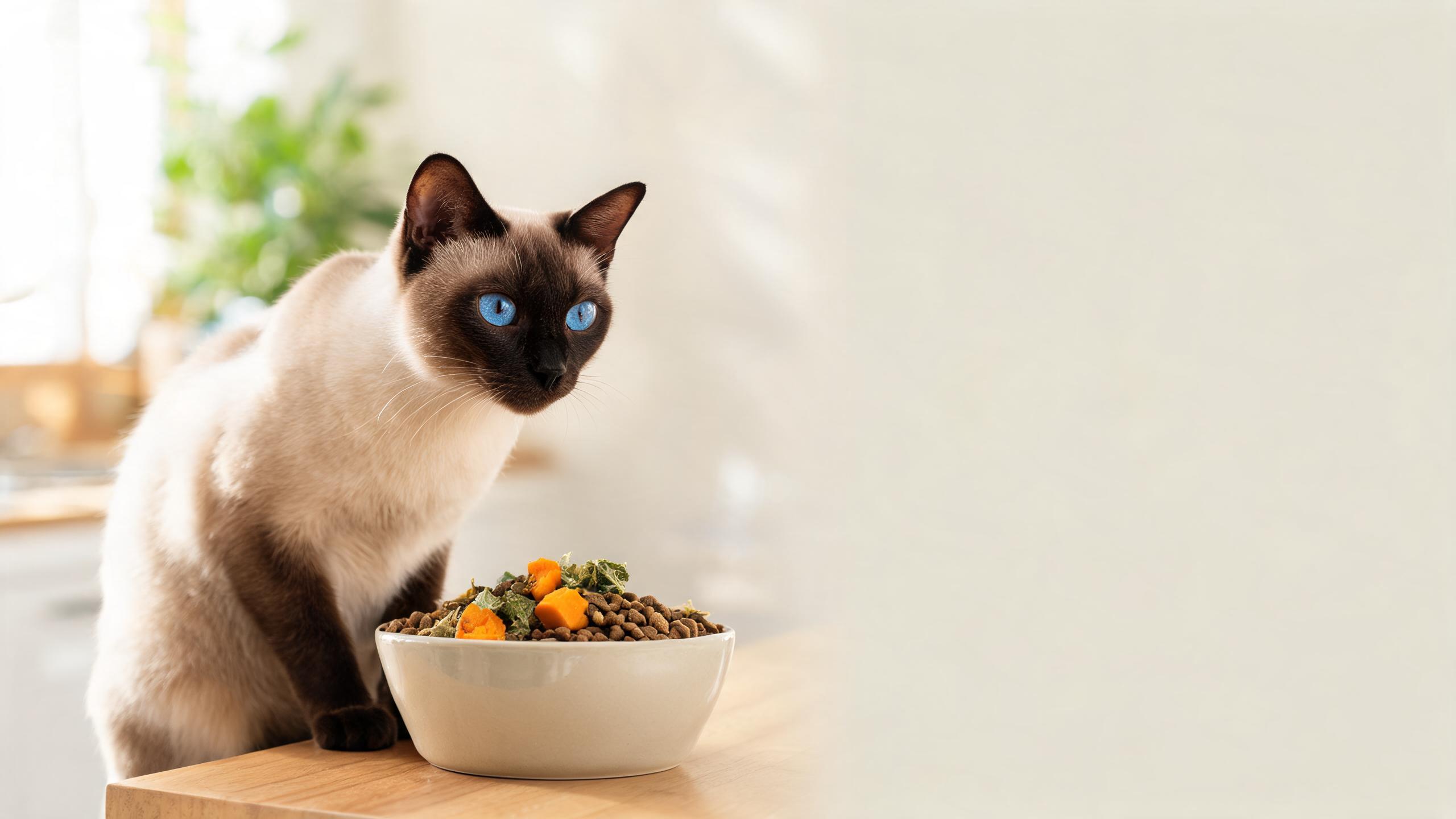
Ever notice your cat straining or dealing with loose stools? Fiber might be the missing piece in their diet for better digestion and gut health. Here's what you need to know.
Picture this: your cat's zooming around the house one minute, then hunkered down in the litter box the next, looking miserable. Sound familiar? I've chatted with so many owners who overlook fiber when their kitty's tummy acts up. But here's the thing – cats absolutely benefit from the right amount of it in their meals.
And it's not just about avoiding constipation. Fiber plays a sneaky role in everything from stool quality to blood sugar control. Let's break it down, friend to friend.
Quick Takeaways
- Yes, cats need fiber: It supports digestion, gut bacteria, and even helps with weight management.
- Two main types: Soluble for firming loose stools, insoluble for bulking up and easing constipation.
- Aim for balance: Around 6% is moderate; 12% for specific needs like hairballs.
- Check labels: Look for AAFCO-approved foods and chat with your vet before big changes.
- Easy adds: Pumpkin, psyllium, or fiber treats can help without drama.
Why Fiber Sneaks Into Cat Diets
Cats are obligate carnivores, right? Meat lovers through and through. So why bother with plant-based stuff like fiber? A piece from Veterinary Practice on fiber in pet diets nails it: it keeps the colon humming, promotes good bacteria, and steadies blood sugar – super helpful for diabetic cats.
I've seen cats with chronic issues turn around once fiber entered the picture. Loose stools? Fiber gels things up. Hairballs stuck like glue? It pushes them out. Not gonna lie, it's one of those underrated heroes in pet food that big brands sometimes skimp on.
Take cholesterol woes or triglycerides from kidney problems or even pregnancy – fiber can dial those down too. Opinion time: too many owners chase fancy proteins and forget the basics. Balance wins every time.
Want to support your pet's skin, coat, and joints naturally? Try PetJesty's Vegan Omega Oil — 100% plant-based, developed with vets.
Soluble vs. Insoluble: Pick Your Fighter
Fiber isn't one-size-fits-all. There are two camps, each with a job.
Soluble Fiber: The Soothing Gel-Maker
This dissolves in water, turning into a gel that slows stomach emptying. Think psyllium husk or inulin. It absorbs extra water, firms diarrhea-prone stools, and tricks the belly into feeling full – perfect for pudgy cats shedding pounds.
Cats with diabetes love it too, since that steady nutrient release evens out sugars. A Tufts University Cummings School nutrition note backs this: soluble types nurture gut buddies while curbing spikes.
Insoluble Fiber: The Bulk Booster
No dissolving here. Cellulose or wheat bran add heft to poop, speeding things along. Constipated? Hairballs? This bulks it up and sweeps clean.
Mix both for the win. Most complete cat foods blend them modestly. But if your cat's struggling, tweak with vet okay.
> "Fiber isn't filler – it's fuel for a happy gut." – Something every vet wishes we'd all remember.
How Much Fiber Is Just Right?
Grab any AAFCO-compliant cat food label – that's your gold standard for balance. They test rigorously, so you're safe.
- Moderate: About 6% maximum crude fiber. Everyday diets hit here.
- High: Up to 12%. For hairball control or motility issues.
Labels list the max fiber. Can't find it? Ping the maker. But don't DIY – your vet knows if your senior or picky eater needs more or less.
I've nudged folks toward high-fiber kibble for indoor cats who lounge too much. Results? Fewer vet trips, glossier coats indirectly from better digestion.
Loading Up on Fiber Sources
Start with quality food. Prescription lines for GI woes often pack 4-6% fiber, vet-recommended for constipation. Over-the-counter? Indoor formulas or hairball blends hover at 6%.
Foods That Deliver
- Dry kibble for hairballs: Often 6.5-11%, moves hair and stool smoothly.
- Diarrhea fighters: Pair probiotics with prebiotic fiber for solid poops.
Treats and Supplements: The Fun Boost
Treats beat begging. Crunchy ones with 10% fiber curb obesity while adding bulk. Or softer 6% options that taste like a party.
Supplements shine for targeted help:
- Pumpkin seed or apple cellulose powders – insoluble power for constipation.
- Blends with psyllium, papaya, and roots – covers hairballs, diarrhea, even fullness for weight loss.
- Plain canned pumpkin or sweet potato – mix a teaspoon into wet food. Natural, cheap, effective.
Warm trick: Soften dry kibble with low-sodium broth, stir in powder. Cats gobble it up.
But always vet-first. Too much fiber? Gas, bloating. Trial slow.
Troubleshooting Common Cat Gut Gripes
Chronic Diarrhea? Fiber to the Rescue
Soluble stars here: sweet potato, guar gum, psyllium. They slow transit, firm things. Lasts over 2-3 days? Vet stat – could be parasites or worse.
Constipation and Hairballs
Insoluble bulks and lubricates. High-fiber foods or treats move it out. Mega-colon cases? Vet-prescribed blends save the day.
Diabetes or Weight Woes
Fiber stabilizes sugars, cuts calories. Soluble fullness helps slim cats without starvation vibes.
And hairballs? Daily fiber halves incidents, per my chats with groomers.
Here's a meandering thought: remember my neighbor's tabby, Milo? Groomed weekly, still hacking hairballs. Swapped to 6% fiber kibble plus weekly pumpkin teaspoon. Six months later? Clear sailing. Small changes, big purrs.
Fiber FAQs: Your Burning Questions
How to sneak it in? Powder into wet food easiest. Dry eaters? Broth-moisten kibble, top with mix. Label doses, vet tweak.
Diarrhea fix? Yep, soluble firms fast. But persistent? Pro vet visit.
Overdo it? Watch for softer stools or refusal. Dial back.
But honestly, most cats thrive on balanced food alone. Supplements fill gaps.
Look, fiber's no magic bullet, but ignoring it? That's asking for trouble. Pair with hydration – always fresh water – and you're golden.
We at Royal Pet get it: happy guts mean happy cats. PetJesty's lineup supports overall nutrition, but chat with us or your vet for fiber-focused picks. Keep those litter boxes drama-free, friends.
Your pal in pet health, Fiona