Do Dogs Get Jealous? What the Science Says
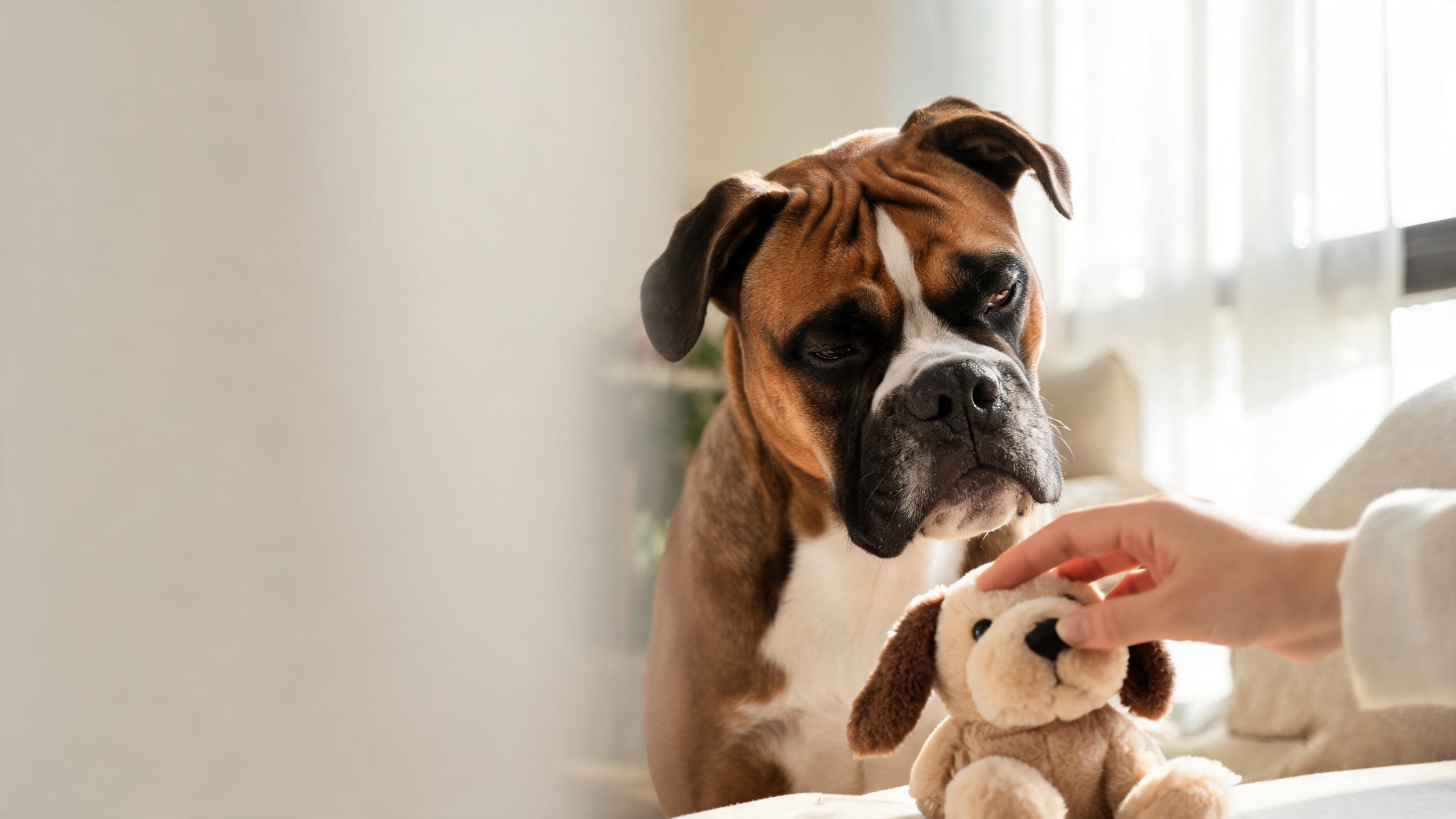
That nudge for attention when you cuddle another pet might really be a form of jealousy. Here is what research suggests about the green-eyed dog — and how to keep the peace.
You sit down to fuss the cat, and within seconds a furry head wedges itself firmly between you and your other pet. Most owners are convinced their dog gets jealous, and it turns out the science is increasingly on their side. While we should be careful about assuming dogs feel things exactly as we do, research suggests dogs do show something that looks a lot like jealousy — and understanding it can keep your multi-pet household harmonious.
What the research found
In a well-known study, researchers watched how dogs reacted when their owners gave attention to different objects. When owners cooed over a realistic stuffed dog, many real dogs pushed in, nudged, and tried to get between their owner and the "rival" — far more than when the owner paid attention to a neutral object like a book. The behaviour looked strikingly like the jealous reactions seen in young children.
It is unlikely dogs experience jealousy with all the complicated, brooding layers humans do. But a more basic, instinctive form — a drive to protect an important social bond from a perceived rival — fits both the research and what owners see every day.
What jealous behaviour looks like
A dog feeling pushed out might:
- Nudge in or paw for attention when you focus on another pet or person
- Push between you and the "rival"
- Become clingy or attention-seeking
- Sulk or withdraw, going quiet and removing themselves
- Guard you as a resource, occasionally with a grumble at the other pet
- Perform attention-grabbing antics — suddenly bringing a toy, or "misbehaving"
Why it happens
From your dog's perspective, your attention is a valuable resource, and you are one of the most important things in their world. A rival for that attention — a new pet, a baby, a visiting dog, even your phone — can feel like a threat to the bond. It is closely related to resource guarding, just pointed at your affection rather than a bone.
Keeping the peace
You do not need to walk on eggshells, but a few habits help everyone get along:
- Share attention fairly and try not to always make a fuss of one pet in front of another.
- Reward calm. When your dog stays settled while you attend to another pet, quietly praise them for it.
- Give everyone their own space — separate beds, feeding spots and safe zones reduce competition.
- Keep one-to-one time with each pet so no one feels they are missing out.
- Watch for tension between pets. Mild attention-seeking is fine, but genuine guarding or conflict between animals is worth addressing early with a behaviourist.
When it tips into a problem
A bit of nudging for cuddles is harmless and rather endearing. But if "jealousy" turns into growling, snapping or fights between pets, that is resource guarding that needs proper attention — speak to your vet or a qualified behaviourist before it becomes entrenched. A sudden change in how your dog relates to other pets can also occasionally relate to discomfort or illness, so a vet check is sensible too.
Supporting a settled, balanced dog
Harmony in a multi-pet home comes down to fair attention, training and good management. Overall wellbeing supports a calm, content dog as well. A balanced diet including omega-3 provides nutritional support for brain and nervous-system health as part of a healthy lifestyle.
If you would like to support your dog's everyday wellbeing, PetJesty's Vegan Omega 3, 6 and 9 Algae Oil is a clean, mercury-free source of DHA with no fishy smell, easy to add to meals — for the dog who would really rather you only had eyes for them.