Dog Cool Down After Exercise Tips
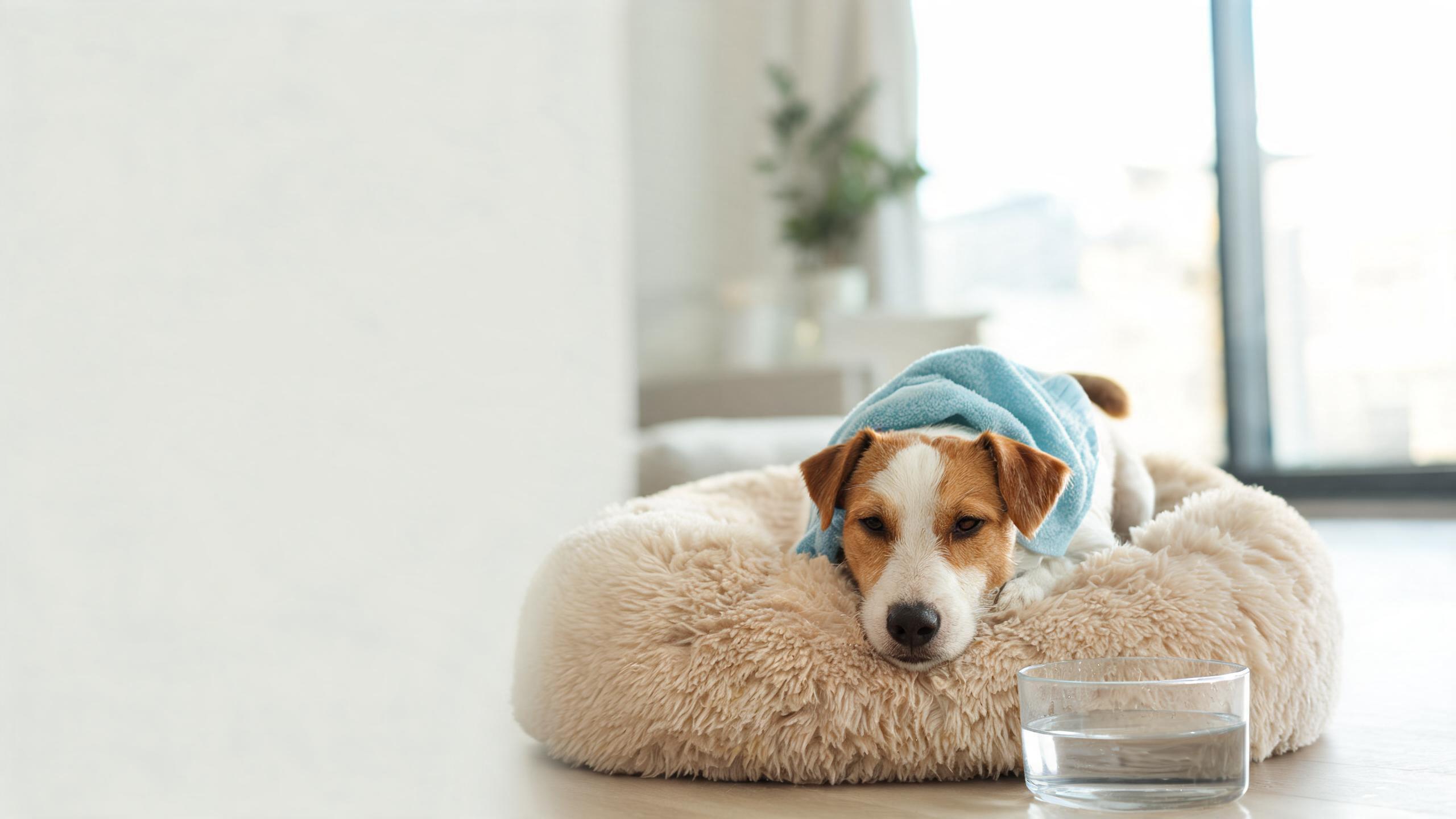
Your dog needs a proper cool down after runs or hikes just like you do. Get hydration, stretching, and check tips to prevent issues and speed recovery.
Picture this: you and your pup just crushed a solid five-mile trail run. She's wagging her tail, but her sides are heaving, tongue lolling out farther than you've ever seen. You think, 'Great workout!' But hold up—skipping the cool down could leave her sore, overheated, or worse. I've watched too many owners drag their exhausted dogs straight home without a second thought, and it bugs me.
Quick Takeaways
- Hydrate smartly: Offer small sips often, not gulps, to avoid tummy troubles.
- Slow the pace: Walk casually for 5-10 minutes post-exercise to drop heart rate.
- Body scan time: Check for ticks, burrs, and cuts right away, especially outdoors.
- Paws first: Inspect pads for cracks or blisters after every adventure.
- Wait on food: Hold off 30-60 minutes after cooling to prevent bloat.
Why Bother with a Dog Cool Down Anyway?
Dogs don't sweat like we do—they pant to dump heat. After hard play, their body temp can spike to dangerous levels, and a rushed end to the fun keeps that heat bottled up. A study from the University of Tennessee College of Veterinary Medicine back in 2015 showed active dogs without cool downs had elevated core temps for up to 20 minutes longer than those who eased off gradually. That's real risk for heatstroke, especially in breeds like Labs or Bulldogs.
Here's the thing: it's not just about avoiding vet bills. Proper recovery means happier joints, less stiffness tomorrow, and your dog begging for more runs. Not gonna lie, I've seen dogs limp around for days because owners treated exercise like a sprint to the door. Do better—we owe them that.
> "Cooling down isn't optional; it's the difference between a tired dog and a thriving one."
Want to support your pet's skin, coat, and joints naturally? Try PetJesty's Vegan Omega Oil — 100% plant-based, developed with vets.
Hydration Hacks That Actually Work
Water is non-negotiable. Pack extra for long walks—aim for at least a liter per hour of activity in warm weather, split between you two. Stop every mile or when panting gets ragged. Let her lap small amounts; big gulps lead to sloshy stomachs or that scary bloat.
And those portable bottles? Game-savers. Grab one with a roller-ball spout that dribbles water as she licks—no mess, controlled flow. Or use a collapsible bowl that fits in your pocket. Pro tip: chill the water slightly beforehand. It feels like a spa treatment to them.
Ever had a dog chug post-run and then barf? Yeah, me too with my old shepherd mix. Small sips every 10-15 minutes during the cool down phase keep things steady.
Watch for Overheating Red Flags
Panting should ease within 10 minutes of slowing down. If it's heavy, non-stop, or she seems wobbly, disoriented, or drooly, get to a vet fast. Gums turning pale? That's emergency territory.
Ease Off with Walks, Rubs, and Stretches
Toward the end of your hike or fetch session, dial it back. Jog to a brisk walk, then amble like you're window-shopping. Five to ten minutes lets her heart rate coast down naturally—no abrupt stops.
Once home, give those muscles some love. Gently massage her shoulders and hips in circles; it boosts blood flow and cuts soreness. Stretch her front legs forward, hind ones back—hold 20 seconds each, like a yoga sesh for pups. On hot days, wet a towel with cool (not ice-cold) water and lay it over her neck and back. She'll lean into it.
But don't overdo stretches if she's super pooped; start slow. My border collie thrives on this routine—jumps out of bed the next day ready for round two.
Post-Workout Body Check: Don't Skip It
Outdoors means hazards. Ticks love hiding in ears, armpits, belly folds. Run your hands everywhere, parting fur. Feel for lumps—those bloodsuckers swell up fat. Burrs? Yank 'em gently, or snip if stuck deep.
Even city dogs snag foxtails in paws or nostrils. Make brushing part of the ritual: a quick once-over relaxes them while you spot issues. Honestly, this five-minute scan has saved my pups from infections more times than I can count.
Numbered steps for your routine:
- Ears: Peek inside, wipe with a damp cloth.
- Paws: More on those next.
- Belly and groin: Prime tick zones.
- Tail base and between toes.
- Quick brush-through for debris.
Paw Care: The Unsung Hero of Workouts
Feet take a beating—hot pavement, rocks, thorns. After every outing, squat down and inspect.
- Pads: Look for cracks, blisters, swelling. Soft spots mean trouble brewing.
- Nails: Trim if clicking loud; overgrown ones snag and split.
- Between toes: Dirt, cuts, or seeds? Rinse with warm soapy water, pat dry.
If pads look raw, slather on a natural balm—beeswax-based ones protect without greasiness. Serious gashes? Vet time, no debate. A 2020 paper in Veterinary Dermatology noted paw injuries sideline 15% of active dogs yearly, mostly from neglect.
And here's a meandering thought that hits home: you know how after a long run your own feet ache if you ignore them, blisters forming under socks you didn't check? Dogs can't tell you, so we have to play detective, flipping paws while they flop on the floor, tail thumping, trusting us completely—it makes you appreciate these little rituals even more.
Smart Feeding After the Cool Down
Hungry eyes staring? Resist. Exercise right after meals risks bloat—stomach twists, potentially fatal, hitting deep-chested breeds hard. Stats from Purdue University vets peg it at 1 in 200 large dogs lifetime risk.
Cool down first, hydrate steadily, then wait 30-60 minutes. Offer her regular kibble or wet food in normal portions. Split into two if she's ravenous. Add a topper like plain pumpkin for gut settle—works wonders.
If she's on joint-support supps like our PetJesty Vegan Omega 3, 6 & 9 Algae Oil from Royal Pet, that's perfect timing post-workout; omegas ease inflammation from all that pounding.
But wait, one more angle: overfeeding victory laps packs pounds fast. Stick to routine calories, maybe bump 10-20% on mega-active days, but track it.
Wrapping this up feels right—active dogs are the best dogs, but only if we care for the wind-down. Try these steps next outing; you'll see the difference in her bounce-back. That's what we're chasing here at Royal Pet, keeping tails wagging longer with smart, everyday care.