Dog Teeth Cleaning Costs: What to Expect
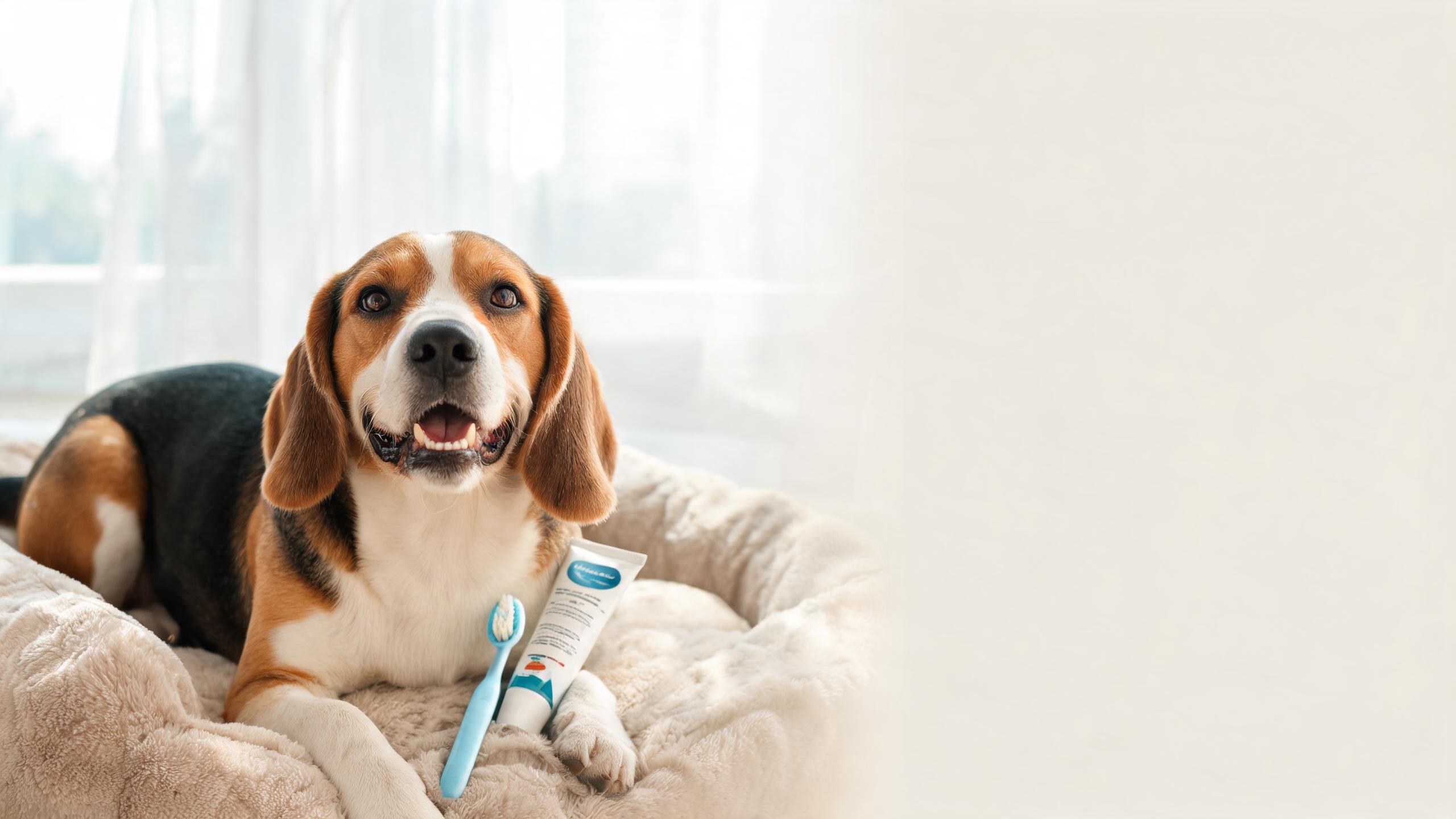
Wondering about dog teeth cleaning costs? Routine cleanings run $350–$500, but extras can push it to $1,500+. Get the breakdown on factors, what's included, and home tips to save money long-term.
Picture this: your pup greets you with a slobbery kiss, but that whiff hits you like a truck. Bad breath in dogs isn't just gross – it's often the first sign of dental disease, which affects over 80% of dogs by age three, according to a report from the American Veterinary Dental College. And ignoring it? That can lead to painful infections, tooth loss, or even heart problems. Oof.
I've chatted with countless owners who thought it was no big deal until their dog's eating habits changed. Here's the thing: professional teeth cleanings are key, but they come with a price tag that surprises folks. Let's break it down so you're not caught off guard.
Quick Takeaways
- Routine dog teeth cleanings cost $350–$500 at a general vet, jumping to $1,500+ for specialists or complex cases.
- Small breeds often need yearly cleanings starting at age 1–2 due to crowded teeth.
- Extras like extractions add $500–$2,500 per tooth – plan ahead!
- Home brushing and dental chews cut down on frequency and costs.
- Bloodwork ($75–$200) is usually extra to ensure safe anesthesia.
What's Actually Involved in a Dog Teeth Cleaning?
A pro cleaning isn't like your quick human dentist scrape. Dogs go under general anesthesia for safety – no stress, no water in the lungs, full access to every nook. Vets slide in a breathing tube, then do a thorough oral exam: probing gum pockets, checking for fractures, cavities, or wonky teeth, even scanning soft tissues for ulcers or lumps.
Next up? Scaling blasts off plaque and tartar above and below the gums. They follow with polishing to keep things smooth and bacteria-resistant. Dental X-rays are standard now – they spot hidden bone loss, abscesses, or tumors that you can't see otherwise. A 2018 study in the Journal of Veterinary Dentistry showed X-rays catch issues in 60% more cases than exams alone.
> "Anesthesia lets vets treat every tooth properly, turning a painful mouth into a healthy one overnight."
But not every clinic bundles it the same. Some quote a flat fee for basics; others tack on X-rays or extras separately.
The Hidden Costs That Sneak In
Blood panels before anesthesia? That's $75–$200, depending on your dog's age and health. Seniors or pups with issues need fuller screens. Pain meds post-op run about $35, antibiotics for infections $35–$85. Fair warning: if extractions happen, you're looking at more.
Want to support your pet's skin, coat, and joints naturally? Try PetJesty's Vegan Omega Oil — 100% plant-based, developed with vets.
Factors That Jack Up the Price
Costs swing wild based on a few big hitters. Start with disease severity. Mild tartar? Basic clean at $350–$500 from your regular vet. Heavy buildup needing pulls or root canals? Easily $1,500+.
Extra treatments pile on quick. Tooth extractions – common for bad molars – hit $500–$2,500 each. Bigger teeth or tricky roots mean longer surgery time. Nerve blocks (local numbing) help during pulls, but add a bit. Root canals save teeth by gutting the nerve and sealing it, though they're pricier and rarer in dogs.
And here's my mildly hot take: go for a board-certified veterinary dentist if your dog's case is gnarly. They've got years of extra training in X-rays, pain control, and jaw surgeries. General vets handle 90% of cases fine, but specialists shine for fractures, cancers, or funky cysts. Worth it? Absolutely, if it saves future heartache.
Location matters too. Big city clinics charge more for overhead – think 20–50% higher in places like New York versus rural spots. Call around for quotes tailored to your dog.
Ever wondered why small dogs like Chihuahuas or Pugs rack up bills faster? Their tiny jaws cram 42 teeth into tight spaces, breeding gingivitis young.
How Often Should You Schedule Cleanings?
Not every dog needs the drill yearly. The American Animal Hospital Association suggests starting by age 1 for small/medium breeds, 2 for giants. Small guys? Often annual, sometimes more if prone to crowding. Brachycephalics – those smooshed-face cuties – progress fast due to wonky bites.
Larger breeds might stretch to 18–24 months, but watch for signs: red gums, loose teeth, drooling. Honestly, not gonna lie, too many owners wait too long. I've seen dogs in agony by age 5 because home care slacked.
And get this: early cleanings can reverse gingivitis. But once periodontal disease digs into bone? Irreversible. Frequency drops with solid at-home habits.
Smart Home Care to Stretch Vet Visits
Pro cleanings rock, but daily grind keeps costs down. Brush those chompers 2–3 times a week with enzymatic toothpaste – dogs hate mint, so poultry flavor wins. Dental chews scrape tartar naturally; pick ones vet-approved for real results.
Water additives or treats with VOHC seal (Veterinary Oral Health Council) cut plaque by 20–30%, per their trials. Toys? Nylabones or rubber chewies work wonders without wrecking teeth.
One owner I know halved her Pug's cleanings by sticking to a routine. It works.
But wait, does pet insurance help? Some cover cleanings if not pre-existing, but check fine print – extractions vary. Many reimburse post-procedure.
Look, weaving in overall health support like a quality omega supplement keeps gums resilient too. Something like PetJesty's Vegan Omega 3, 6 & 9 Algae Oil from Royal Pet supports inflammation control, indirectly aiding dental health.
Scheduling that first cleaning? Chat with your vet for a custom plan. Your dog's grin – and wallet – will thank you.
Keep your pup's smile sparkling, friends. That's the Royal Pet way – real health, real talk.