Dog Whelping: Your Friendly Guide
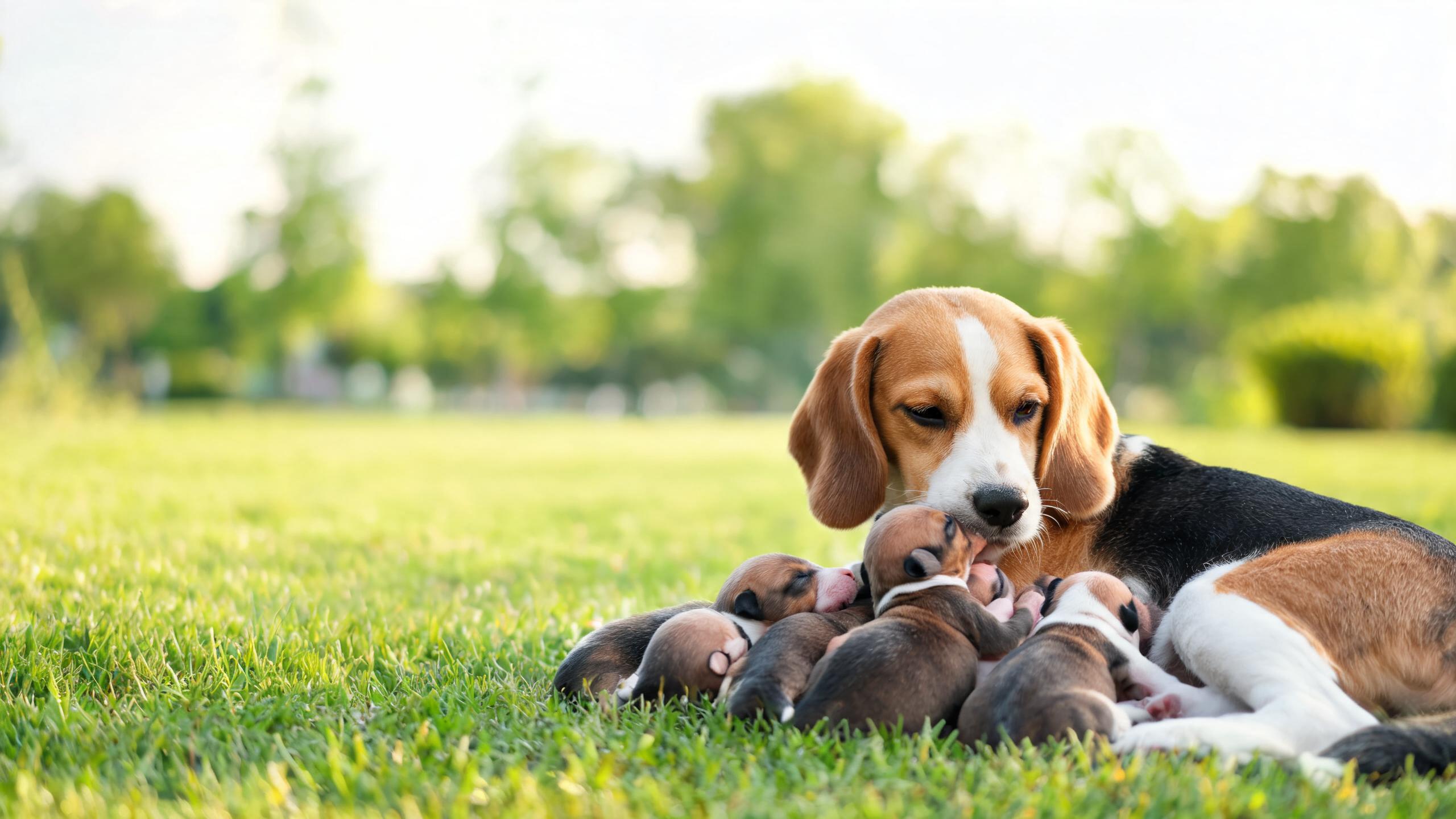
Expectant dog mom? Get the lowdown on whelping signs, stages, and when to call the vet. Prep tips to keep stress low and puppies safe—straight from a pet health pro.
Picture this: your dog's belly has ballooned, she's nesting like crazy, and you're checking her every five minutes. Sound familiar? Whelping—the act of your dog giving birth—hits around day 63 of pregnancy, and getting it right means less panic for you and a smoother ride for her.
I've walked a couple of buddies through this, and let me tell you, that first temp drop sneaks up fast. But knowing the drill? Total game-saver.
Quick Takeaways
- Whelping kicks off about 63 days post-breeding; track her temp for the big clue.
- Switch to puppy food gradually for nutrition—no extra calcium needed.
- Normal labor: puppies every 30-60 minutes, no straining over 30 mins.
- Call the vet ASAP for foul discharge, endless pushing, or 4+ hour gaps.
- Set up a cozy whelping box early; keep her isolated from other dogs.
What Exactly is Whelping?
Whelping's just dog-speak for labor and delivery. From breeding day, count roughly nine weeks—63 days on average, per data from the University of Pennsylvania's vet school. Hormones shift, her body's prepping, and suddenly, puppies are en route.
Most dogs handle it solo. No drama, no C-section. But here's the thing: you're not helpless. Spotting normals versus red flags keeps everyone safe.
And honestly, pet parents freak less when armed with facts. Ever watched a mom dog just know what to do? It's magic—until it's not.
Want to support your pet's skin, coat, and joints naturally? Try PetJesty's Vegan Omega Oil — 100% plant-based, developed with vets.
Prep Your Dog Like a Pro
Start early. Around day 45 post-breeding, snag an X-ray at the vet. It'll count puppies—handy for knowing if one's playing hide-and-seek later.
Diet's key. And don't even think about calcium pills; that'll spike eclampsia risk post-birth. Stick to a growth-formulated puppy kibble from her usual line. It'll cover proteins, fats, everything. We've seen mamas thrive on this at Royal Pet—strong pups, no issues.
Settle on a whelping spot. Grab a kiddie pool, line it with soft blankets or pee pads. Low sides for her to hop in, high enough for wriggly newborns. Pick a quiet corner she loves—no drafts, no chaos.
Isolate her last few weeks. Skip parks, daycares. Pups' tiny immune systems can't fight bugs yet.
Gear up: rectal thermometer. Normal temp hovers at 101.5°F. Dip under 100°F? Labor's knocking within 24 hours. Check twice daily near due date.
> A single temp check can predict whelping like clockwork—don't skip it.
Spotting the Signs She's About to Pop
That temp drop's your heads-up. Lasts maybe eight hours, so stay vigilant. Clear discharge might show too.
Behavior flips: restlessness, panting, pacing. She might shiver or dig furiously at bedding. Vomit? Not uncommon.
These kick off Stage 1: contractions start, cervix opens. Can drag 6-12 hours, max 36. She's uncomfortable, but progressing.
Look, I've seen dogs pace for hours—it's nerve-wracking, but normal. Just be there, calm vibes only.
Building the Perfect Whelping Box
- Size: Big enough for mom to stretch, sides 12-18 inches high.
- Materials: Plastic pool or plywood box, sanded smooth.
- Bedding: Towels, blankets, or whelping pads—washable wins.
- Location: Dim, warm (75-80°F), away from kids and noise.
The Three Stages of Whelping
Labor breaks into three parts. Breathe—most breeze through.
Stage 1: The Build-Up
Uterus contracts, she nests hard. Panting, whining. Lasts hours, not days. No pups yet.
Stage 2: Puppy Party Begins
First pup drops, sac intact. Mom chews it off, licks to breathe. If she zones out, step in: warm towel, gentle rub. Stimulates breathing.
Pups follow every 30-60 minutes. She pushes 10-30 mins per. Breaks happen—short ones fine.
But prolonged strain? Over 30 minutes without progress, vet time.
Stage 3: Cleanup Crew
Placentas pass with each pup. She might chow down—nature's way to hide scents. Scoop 'em yourself; prevents tummy upset.
All done? Darkish discharge normal for weeks, fading. No stink.
And get this: in one long, rambling chat with a breeder pal last year, she swore by having towels pre-warmed in the dryer—pups dry faster, mom chills quicker. Little hacks like that? Gold.
When Things Go Sideways—and What to Do
Most whelpings? Smooth. But watch for:
- Straining >30 mins, no pup.
- Gaps >4 hours between births.
- Foul vulva discharge—not the normal bloody stuff.
- Mom lethargic or unresponsive.
Stuck pup? Weak contractions from low minerals or dehydration? Vet stat. C-sections save lives.
Opinion time: too many owners wait it out, hoping. Don't. A 2022 Cornell study clocked intervention under an hour boosting pup survival by 40%. Act fast.
Post-whelping, she's nursing. Puppy food keeps flowing—milk production needs calories. At Royal Pet, our PetJesty growth supports cover bases without gimmicks.
Newborn check: pink gums, breathing steady, suckling. Weigh daily; gain 10% body weight first week.
Count placentas—match puppies. Extra? Vet.
Aftercare for Mom and Pups
Keep 'em warm, 85-90°F first week, dropping gradual. No baths for her yet.
Feed small, frequent meals. Water nearby.
Pups: bellies round after feeds. Umbilical clips if needed.
Vet check in 24-48 hours. Deworm mom, vaccines later.
Not gonna lie, those first snuggles melt you. But prep pays off.
That's the whelping rundown—stay close, trust your gut, and you've got this. Here at Royal Pet, we're passionate about every stage of pet parenting, from pregnancy nutrition to those joyful puppy days. Swing by for PetJesty tips anytime.
Stay pawsitive, Fiona