Dry, Itchy Skin in Dogs: Causes, Comfort and When to Worry
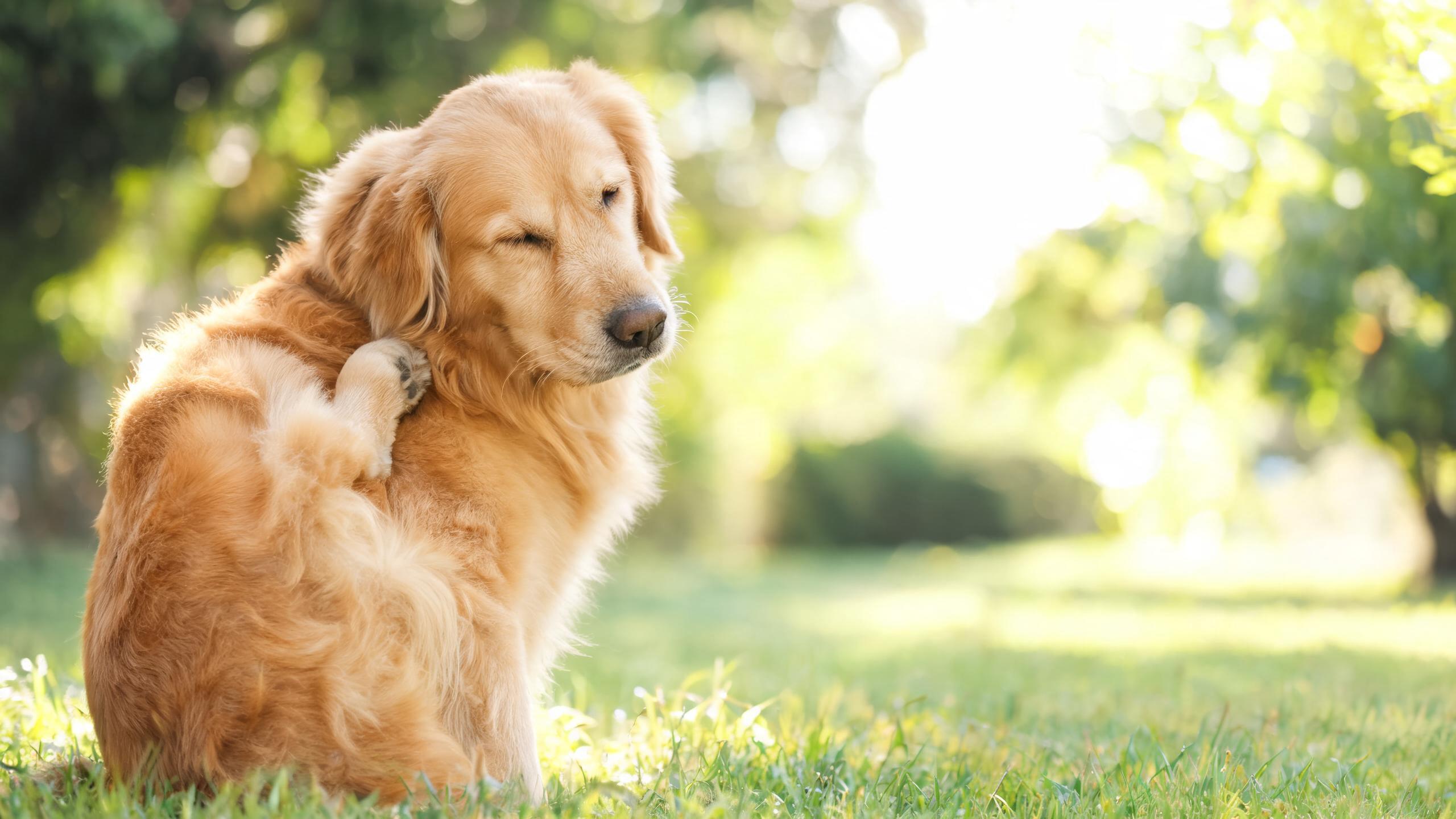
Why your dog will not stop scratching — the common causes of dry, itchy skin, what you can do at home, and the nutrition that supports a healthier coat.
There are few sounds more maddening at 2am than the relentless thump of a back leg scratching, or the wet rasp of a dog gnawing at their own paw. Itchy skin is one of the most common reasons dogs end up at the vet in the UK, and it is also one of the most miserable for the dog. The good news is that a lot of it is manageable once you understand what is driving it.
Why is my dog so itchy?
Itching (the technical word is pruritus) is a symptom, not a diagnosis. Several different things can sit behind it, and sometimes more than one at once:
- Allergies. This is the big one. Dogs can react to environmental triggers (pollen, dust mites, grass), to ingredients in their food, or to flea saliva. Flea allergy in particular is dramatic: a single bite can set off days of scratching.
- Dry skin. Cold, centrally-heated homes in winter pull moisture out of the skin. Over-bathing, or using a shampoo that is too harsh, strips the natural oils that keep the coat supple.
- Parasites. Fleas, mites (including the ones behind mange) and lice all cause intense irritation.
- Skin infections. Bacterial and yeast infections often move in once the skin barrier is already damaged, turning a mild itch into a serious one.
- Stress and boredom. Some dogs lick or chew as a comfort behaviour, which then irritates the skin and creates a cycle.
Dry skin or something more?
A bit of seasonal flakiness with an otherwise happy, comfortable dog is usually just dry skin. Warning signs that it is something more include constant scratching that interrupts sleep, red or broken skin, a rash, thinning fur or bald patches, a smell, or your dog targeting one specific spot obsessively. Ears are worth a look too — itchy skin and itchy ears often travel together.
What you can do at home
For mild, run-of-the-mill dryness and itch, a few sensible changes go a long way:
- Do not over-bathe. Most dogs need a bath far less often than owners think. When you do, use a gentle, dog-specific shampoo — never human shampoo, which is the wrong pH for canine skin.
- Brush regularly. Brushing spreads natural oils through the coat and clears dead skin and loose fur.
- Stay on top of flea prevention year-round, not just in summer. Warm homes keep fleas active through winter.
- Add moisture to the air if your home is very dry, and make sure your dog always has fresh water.
- Feed for the skin. A diet rich in omega-3 fatty acids supports the skin barrier from the inside.
The omega-3 connection
This is where nutrition earns its keep. The omega-3 fatty acids DHA and EPA are building blocks for healthy skin. They support the skin's barrier function — its ability to hold moisture in and irritants out — and they have a naturally calming, anti-inflammatory quality that is well suited to dogs prone to itchiness. Omega-3 also supports a softer, glossier coat, which is the visible sign that the skin underneath is in better shape.
It is not an overnight fix. Because the fatty acids need to build up in the body, most owners notice a difference over a few weeks of consistent daily feeding rather than in a few days. Think of it as a foundation you put in place and keep in place, not a quick patch.
When to call the vet
Please do not let a dog suffer on home remedies alone. Book a vet appointment if you see broken or bleeding skin, a sudden hot, weepy patch (a hot spot), hair loss, a bad smell, or if the itching is severe enough that your dog cannot settle. Persistent itch usually has an underlying cause — an allergy, an infection, parasites — that needs identifying and treating properly. Your vet can also rule out the conditions that masquerade as a simple itch.
A simple coat-from-within routine
Pulling it together: keep flea prevention consistent, bathe gently and not too often, brush a few times a week, and feed a diet that genuinely supports skin health. The dogs who do best are usually the ones whose owners treat skin as an ongoing part of care rather than something to fix only when it flares.
If you want to support your dog's skin and coat from the inside, PetJesty's Vegan Omega 3, 6 and 9 Algae Oil is a clean, mercury-free source of the DHA that healthy skin depends on — with no fishy smell, which makes it easy to add to dinner. It is a simple daily habit that works quietly in the background while you tackle the bigger triggers. As always, if your dog is genuinely uncomfortable, your vet should be your first call.