Ear Infections in Dogs: Signs, Causes and How to Prevent Them
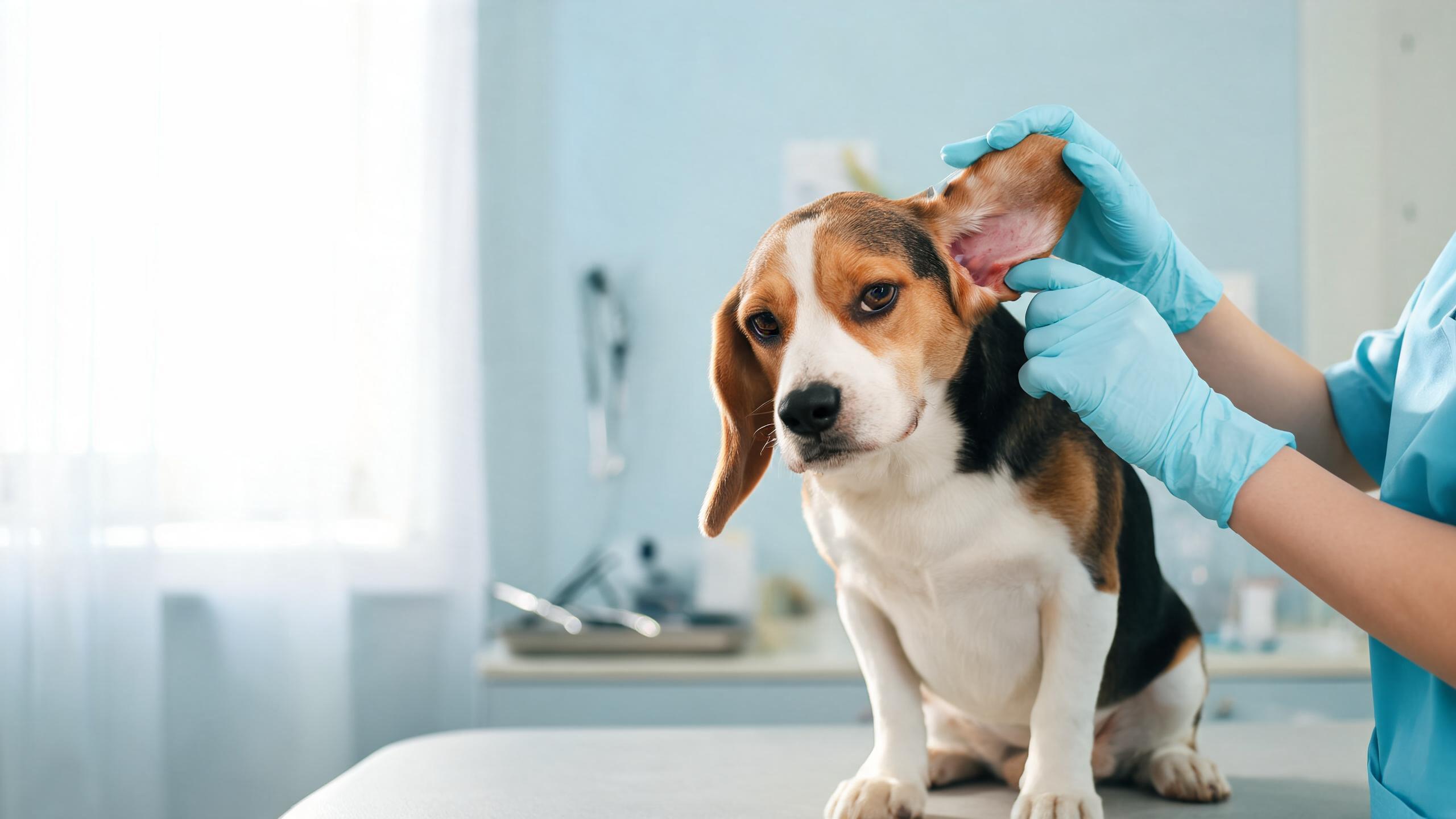
Head-shaking, scratching and a funny smell? Ear infections are common and genuinely painful. Here is how to spot them, what causes them, and how to keep your dog's ears healthy.
If your dog has started shaking their head like they are trying to dislodge something, or scratching at one ear with real determination, there is a good chance an ear infection is brewing. They are one of the most common reasons dogs visit the vet in the UK — and because they hurt, they are worth catching early.
Why dogs get ear infections
A dog's ear canal is shaped like an L, which means moisture, wax and debris can collect at the bend and struggle to clear. Warm and damp is exactly what bacteria and yeast like, so anything that adds moisture or blocks airflow raises the risk. Common contributors include:
- Floppy or hairy ears that trap heat and moisture (spaniels, retrievers and poodles are classic candidates).
- Swimming and bathing that leave water in the canal.
- Allergies — and this is the big one. Most dogs with recurring ear infections have an underlying allergy driving the inflammation.
- Ear mites, especially in younger dogs.
- Foreign objects like grass seeds, which are a real menace in summer.
Signs to watch for
Ear infections rarely stay subtle for long. Look out for:
- Head shaking and tilting toward the sore side.
- Scratching or rubbing the ear along furniture and the floor.
- A smell — often yeasty or unpleasant.
- Redness, swelling or discharge inside the ear.
- Pain when you touch the ear, or a generally grumpy mood.
What to do — and what not to do
This is one to take to your vet rather than treat blind. The reason matters: an infection caused by yeast, bacteria or mites needs different treatment, and the wrong drops can make things worse or do nothing. Your vet will look down the canal (checking the eardrum is intact), often take a swab, and prescribe the right cleaner and medication.
Please do not poke cotton buds down the canal — you risk pushing debris deeper or damaging the ear. And avoid home remedies poured into a painful ear without veterinary advice.
Preventing ear infections
Once the immediate problem is sorted, prevention is mostly routine:
- Dry the ears thoroughly after swims and baths.
- Check ears weekly so you spot redness or smell early.
- Keep hairy canals tidy with help from your groomer or vet.
- Use a vet-recommended ear cleaner if your dog is prone to problems — not a random product.
- Tackle the underlying allergy, because that is what turns a one-off into a recurring nightmare.
The allergy and skin connection
Here is the thread that ties chronic ear infections together: inflamed, allergy-prone skin. The lining of the ear canal is skin, and a dog whose skin barrier is struggling tends to have more ear flare-ups too. Supporting that skin barrier from the inside is part of a long-term plan — alongside your vet's allergy management — to break the cycle of repeat infections.
Omega-3 fatty acids, DHA and EPA, support skin barrier function and bring a naturally calming, anti-inflammatory quality that suits allergy-prone dogs. It is a steady, background support rather than a treatment for an active infection.
If your dog is prone to itchy skin and recurring ear trouble, PetJesty's Vegan Omega 3, 6 and 9 Algae Oil offers clean, mercury-free DHA to help maintain a healthy skin barrier, with no fishy smell. Pair it with your vet's plan for the allergies underneath — and always have a painful or smelly ear checked by your vet first.