Exercising With Your Dog Daily
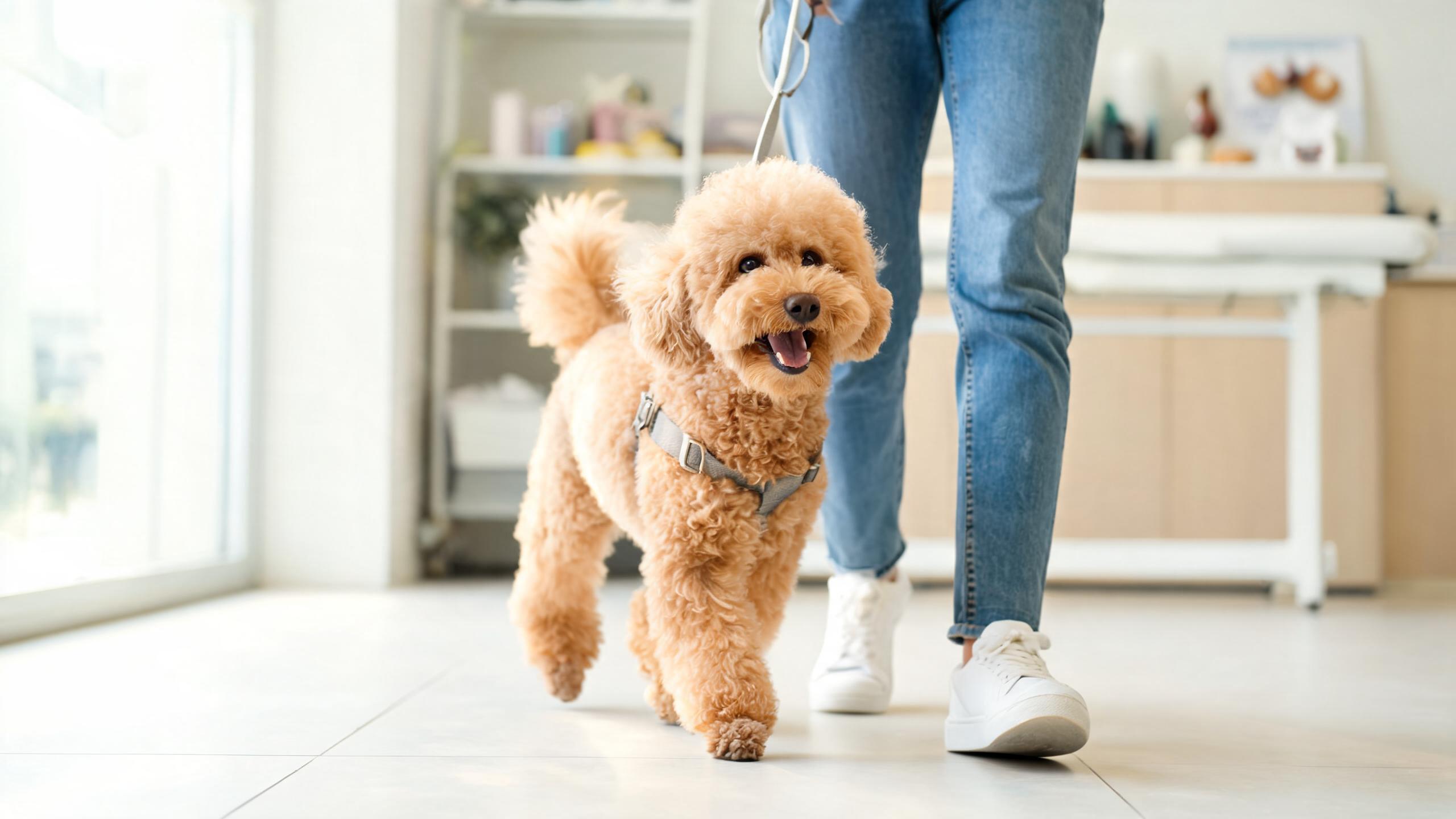
Feel guilty your dog isn't getting enough exercise? Here's why daily walks and play boost health, prevent boredom, and strengthen your bond—plus easy tips to start today.
Ever come home after a long day and find your dog pacing the floor, tail wagging like mad but eyes screaming 'let's go outside'? That look gets me every time. It's not just cabin fever—dogs thrive on movement, and skipping it leaves them restless and you with chewed shoes.
Quick Takeaways
- Daily activity keeps muscles toned, metabolism humming, and minds sharp for dogs of all ages.
- Lack of exercise leads to weight gain, boredom-fueled destruction, and muscle loss.
- Aim for 30 minutes to 2 hours of activity daily, tailored to breed and health.
- Start slow with walks, build to fetch or hikes—watch for happy tiredness, not exhaustion.
- Mental games like puzzle toys count too; variety beats routine every time.
Why Your Dog Craves Daily Movement
Big hounds or tiny terriers, puppies or seniors—every dog needs to stretch those legs. A 2018 study from the University of Guelph tracked active dogs over six months and found they had 25% better joint flexibility than couch potatoes. Exercise isn't optional; it keeps the heart pumping, burns fat, and sharpens focus.
But here's the thing: even older dogs or those with creaky joints benefit. I've seen arthritic Labs perk up on short neighborhood strolls. Movement lubricates joints, fights stiffness. If pain's an issue, chat with your vet about safe pain relief first. And dogs in wheelchairs? They roll right along on walks or splash in pools—proof that activity adapts.
Sound familiar? My neighbor's senior shepherd started hydrotherapy sessions, and now he's bounding again. Not gonna lie, watching that transformation sold me on never underestimating a dog's resilience.
> "A tired dog is a happy dog—and a peaceful home." Old trainer wisdom that rings true every day.
Want to support your pet's skin, coat, and joints naturally? Try PetJesty's Vegan Omega Oil — 100% plant-based, developed with vets.
The Real Risks of Skipping Exercise
Let a dog veg out too long, and trouble brews fast. Boredom turns to frustration: shredded pillows, endless barking. Weight piles on quick—studies show inactive dogs pack on 15-20% body fat in months if treats substitute for play. Muscle fades too, weakening the frame and inviting injuries.
And it's not just physical. That pent-up energy? It festers into anxiety or aggression. One client told me her beagle destroyed three couches before daily hikes fixed it. Honestly, it's unfair to both of you—your dog deserves better than becoming a statistic in the overweight pet epidemic.
Figuring Out Your Dog's Perfect Routine
Match It to Age, Breed, and Health
No one-size-fits-all here. Vet check first—that's non-negotiable for a custom plan. Pups and working breeds like Labs or border collies? They hunger for 1-2 hours daily, including 30 minutes of real cardio like chasing balls.
Brachycephalic pups—think pugs or bulldogs—overheat easy, so gentle 20-minute walks suffice. Restless pacing? Clear sign for more. Not fidgety? Short loop keeps it balanced.
Start slow. Warm up with a meander around the block, then ramp up. Cool down the same way. And mix mental workouts: new scents on trails, treat-dispensing puzzles. A 2021 Journal of Veterinary Internal Medicine report noted dogs with scent games showed 40% less stress than walkers alone.
Puppy parents, build stamina gradually—overdo it, and you risk growth plate issues. Seniors? Low-impact shines.
Breed-Specific Needs at a Glance
- High-energy herders/hunters: 90+ minutes, vigorous play.
- Companion breeds: 30-45 minutes casual.
- Toy breeds: Short bursts, indoor fetch.
Fun Ways to Get Moving Together
Variety keeps it exciting—you won't both burn out.
Low-key options:
- Leisurely walks to sniff every pole.
Moderate fun:
- Jog light trails.
- Fetch in the yard—aim for 20 tosses.
Amp it up:
- Hill hikes for endurance.
- Swimming laps (great for joints).
- Agility basics with jumps and tunnels.
Mental twists? Scent trails in the grass, obedience drills, or food puzzles that make them think. Try a new park weekly; that novelty sparks joy. And running paths? Change them—dogs love surprises as much as we do.
Picture this: you and your retriever splashing in a shallow creek one afternoon, then mastering a simple weave pole the next. Those sessions? Pure bonding gold. We toss in PetJesty supplements for joint support on active days like these—it keeps everyone limber without the pushy sales pitch.
But watch signals close. Panting heavy? Tongue lolling sideways? Time to ease off. Panting's normal post-play, but exhaustion limpness isn't. Happy pant, wagging tail, quick recovery—that's your green light to level up.
Making It Stick Long-Term
Consistency trumps intensity. Tie walks to routines: post-breakfast jaunt, evening wind-down. Track progress in a notes app—distances, moods. Weather bad? Indoor zoomies or stair sprints work.
Most dogs won't need extra food from this—calories stay steady unless you're training athletes. Vet weighs in on diet tweaks.
I've coached dozens through this. One couple with a hyper husky went from zero to 45-minute runs in weeks. Kid loved joining; family glue strengthened.
And weather extremes? Skip midday heat, dawn or dusk instead. Hot pavement burns paws—test with your hand, if too toasty for 5 seconds, skip it.
Look, daily exercise isn't a chore—it's your ticket to a friskier, calmer companion and guilt-free couch time. That's what we're chasing here at Royal Pet, fueling those adventures with smart pet health support. Grab the leash today; your dog will thank you with sloppy kisses.
By Fiona