Exercising with Your Dog Done Right
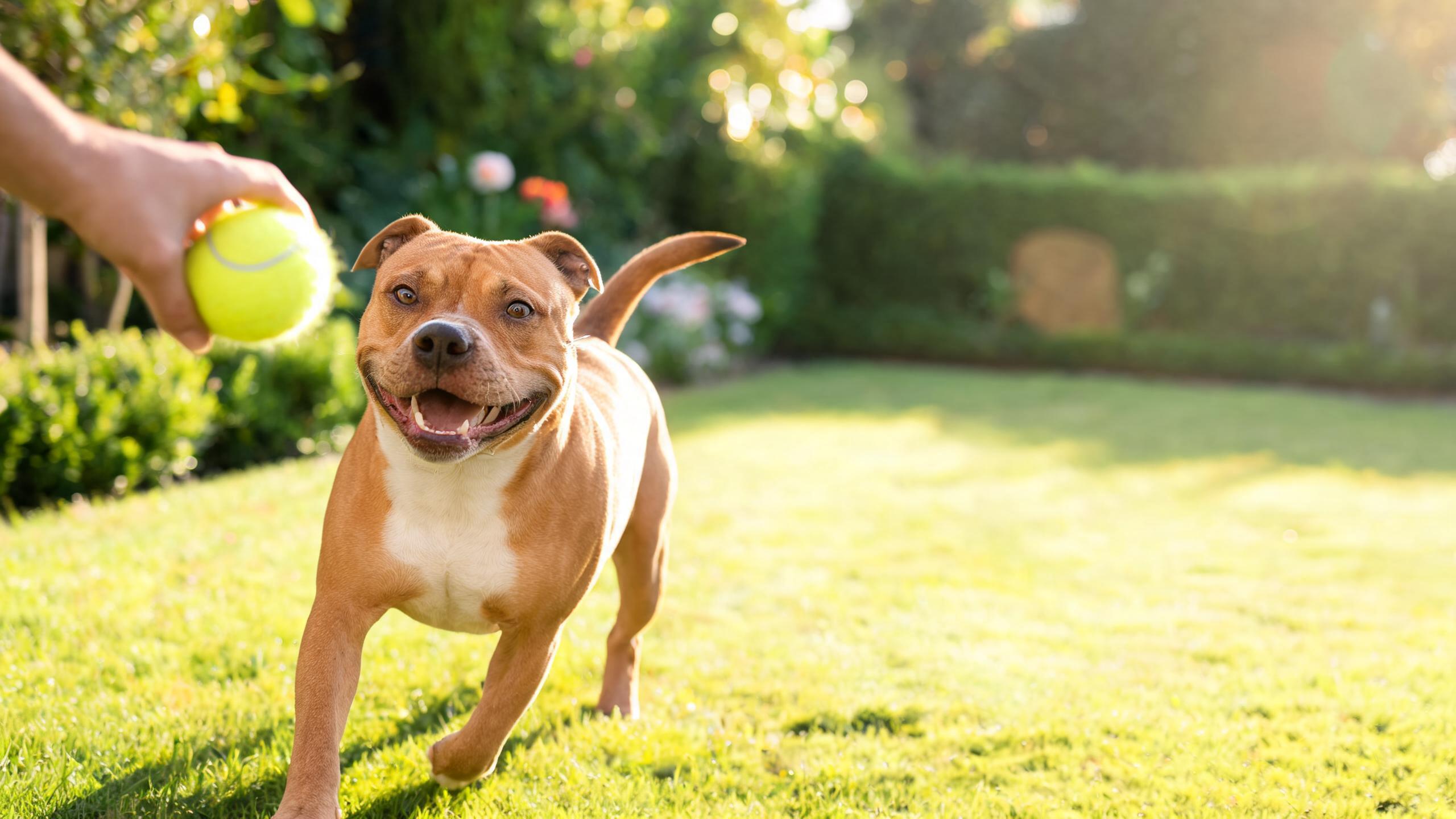
Get your dog moving safely with tailored routines that fight obesity and boost behavior. Discover walks, fetch, and more for happy, healthy pups—no couch naps forever!
Picture this: your dog sprawled out on the couch, looking utterly content after a big breakfast. But here's the thing—those lazy afternoons add up fast, and before you know it, you've got a pudgy pup huffing on short walks. Dogs crave movement just like we do, and skipping it leads straight to trouble.
Quick Takeaways
- Daily walks are non-negotiable—aim for 20-60 minutes split throughout the day to keep energy steady.
- Puppies under 3 months? Stick to soft surfaces and skip stairs to protect growing joints.
- Overweight or senior dogs need vet-checked plans to avoid injury.
- Exercise cuts obesity risk by up to 50%, per a University of Liverpool study on canine fitness.
- Pair activity with balanced meals for real results—think lean muscle, not extra fluff.
Why Bother? The Real Perks of Getting Active Together
Obesity hits dogs hard. A hefty 59% of U.S. dogs are overweight or obese, according to data from the Association for Pet Obesity Prevention. And it snowballs into joint pain, diabetes, even heart issues. But regular romps? They melt fat, build muscle, and sharpen minds.
I've watched owners swear their destructive chewers turned into chill companions after just two weeks of consistent play. Sound familiar? Bored dogs dig holes, bark nonstop, or shred pillows. Exercise flips that script. It tires them out mentally too, curbing zoomies and separation anxiety.
And for aging pups, it's gold. A study from Colorado State University's Flint Animal Cancer Center linked moderate daily activity to less arthritis flare-ups in older dogs. They move easier, sleep better, and stick around longer. Not gonna lie, it's my favorite anti-aging hack for pets.
> Regular movement isn't a luxury—it's how you keep your dog from turning into a grumpy couch lump.
Want to support your pet's skin, coat, and joints naturally? Try PetJesty's Vegan Omega Oil — 100% plant-based, developed with vets.
Age Matters: When and How to Ramp It Up
But not every dog bounces into a 5K run tomorrow. Puppies? Super careful. Under 3 months, let 'em scamper on grass or rugs—no stairs or hard jumps. Retrospective research from the University of Pennsylvania's veterinary school ties early stair-climbing to higher hip dysplasia odds in breeds like Labs or Goldens.
Wait till 10-12 months for intense stuff like jogging. Growth plates need time to fuse, or you risk wonky bones. Adults? Prime time for hikes or fetch marathons. Seniors or brachycephalic breeds (think Pugs or Bulldogs) overheat quick, so short, shaded sessions rule.
Overweight dogs first. Start slow—maybe 10-minute walks building to 30. Vet input here is smart; they might flag heart concerns or joint wear.
Building a Routine That Sticks for Both of You
Every dog's different. High-energy herders like Border Collies thrive on 90+ minutes daily—agility drills, herding balls, you name it. Couch-loving breeds? 30 minutes of brisk walking does wonders.
Walks top the list. Multiple short ones beat one long haul. Dragging paws? Mix in fetch with a soft ball or swimming for low-impact fun. Mental games count too: puzzle toys stuffed with kibble or quick obedience drills sharpen focus without exhaustion.
And agility? Awesome if you're committed. Start with beginner classes—jumps, tunnels, weaves—but ease in over months. Rushing it spells strains.
Here's a simple starter plan:
- Morning: 15-minute brisk walk. Sniffing station included.
- Midday: 10-minute fetch in the yard.
- Evening: 20-30 minute exploratory hike.
- Daily add-on: 5 minutes of tricks or puzzles.
Adjust for weather—hot days mean dawn or dusk outings. Track progress with a fitness app or journal. You'll see leanness creep in, energy soar.
One client I chatted with turned her lazy Bulldog around with pool swims twice weekly. He dropped 15 pounds in three months, prancing like a pup again. That's the magic.
Breed-Specific Twists
- Working breeds (Huskies, Aussies): Long runs or bike pulls.
- Toy breeds: Short indoor chases or treadmill trots.
- Brachycephalics: Cool swims, no heat.
Fuel the Fire: Diet Meets Motion
Exercise alone won't cut it. Pair it with food that matches the burn. Active dogs need protein-packed meals—25-30% of calories from quality sources—to rebuild muscles and sustain stamina.
If joints are iffy, toss in glucosamine-rich options. For all-around vitality, something like PetJesty's Vegan Omega 3, 6 & 9 Algae Oil supports mobility without fishy burps. I've recommended it to folks with active seniors; coats shine, steps lighten.
Weight loss goal? Cut calories 20% while upping fiber and protein. Track intake—many owners underestimate treats. A balanced scoop keeps energy humming, not crashing.
And that meandering thought on meals: you know how some days your dog wolfs breakfast then naps till dinner, but after a good run they're ravenous yet picky? That's when nutrient-dense kibble shines, turning meals into recovery fuel so tomorrow's adventure feels even better, without the post-walk slump we all dread.
Common Pitfalls and How to Dodge Them
Overdoing it tops the list. Panting turns to wheezing? Stop. Limp? Rest and vet check. Hot weather's a killer for flat-faces—watch for drool or red gums.
Under-exercising sneaks up too. Desk job? Leash your dog to your treadmill for dual duty. Rainy days? Indoor fetch with a flirt pole.
My mildly hot take: If you're too busy for daily walks, reconsider dog ownership. These guys live for it—13 years flies by.
But weekends count. Trail hikes bond you tighter than any toy. Make it routine, and you'll both crave it.
Exercising together transformed my own pack. That hyper Lab mix? Now a trail buddy who heels perfectly. You can too.
Here at Royal Pet, we're all about fueling those active lives with PetJesty supplements that back the basics. Grab the leash—your dog's waiting.
– Fiona