Himalayan Cat Health Guide
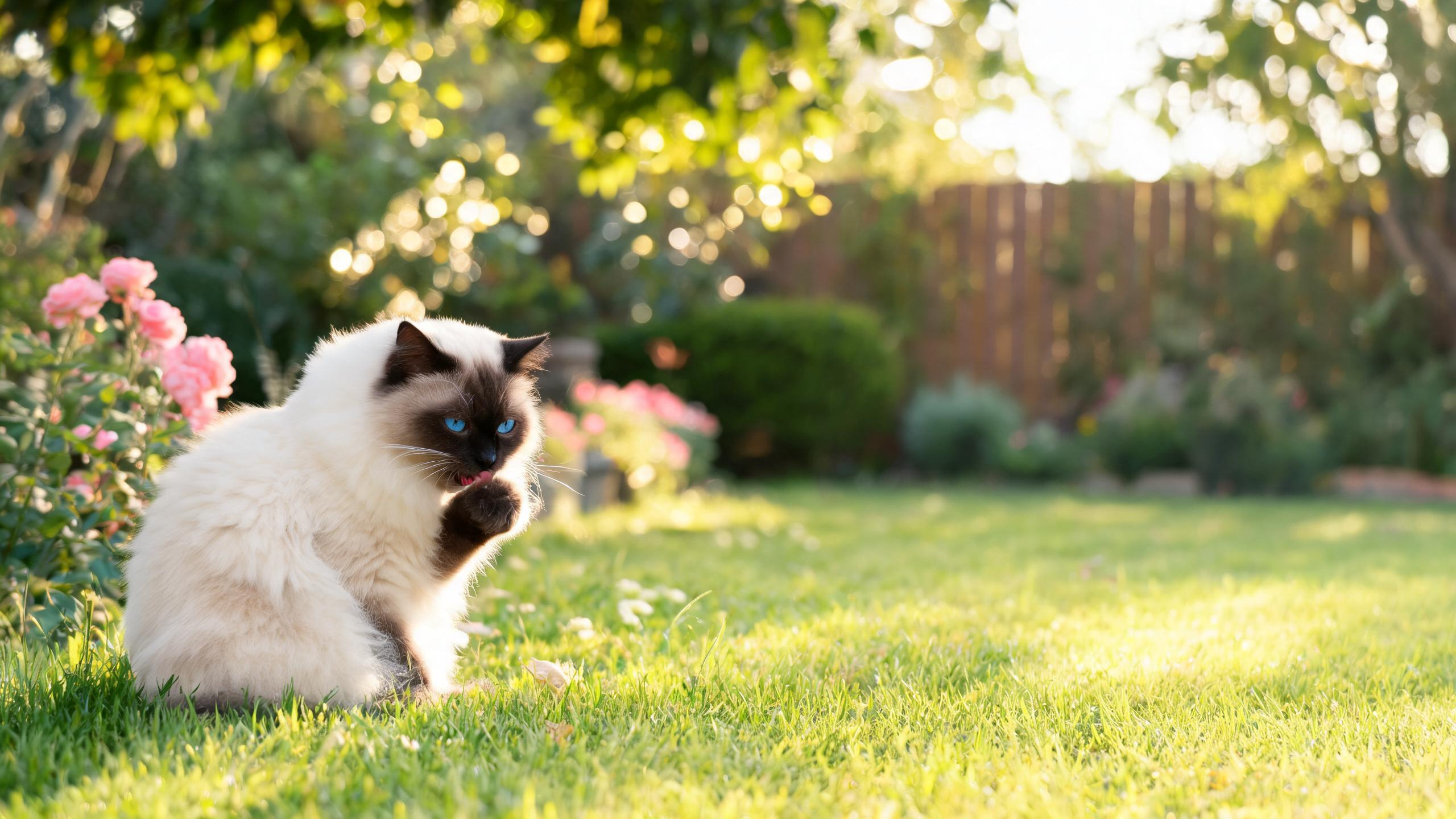
Own a fluffy Himalayan? Get real talk on grooming their coat, spotting health issues like breathing woes and heart conditions, plus feeding tips for a long, happy life. (128 chars)
Picture this: you walk in the door after a long day, and there's this blue-eyed fluffball weaving between your legs, purring like a motorboat. That's your Himalayan for you. These cats blend the plush coat of a Persian with the color points of a Siamese, tipping the scales at 7-12 pounds and standing about 11 inches tall. But here's the thing – that adorable smooshed face and endless fur come with some upkeep. I've chatted with so many owners who fell head over heels for the looks, only to scramble when the mats set in.
Quick Takeaways
- Brush daily to dodge painful fur mats and keep skin healthy.
- Watch for breathing struggles from their flat face – no open-mouth panting allowed.
- Screen for genetic risks like HCM and PKD via DNA tests on parents.
- Feed measured meals twice a day; free-feeding packs on pounds fast.
- They're lap lovers who play in bursts – toys and puzzles keep them sharp.
Why Himalayans Need Extra TLC
Himalayans aren't your average alley cat. And while their chill vibe makes them perfect for apartments or families, that long, silky-to-thick coat demands attention. Skip a day of brushing? Knots form quick, leading to irritation or worse. Honestly, daily grooming isn't optional – it's the price of that show-stopping fluff. Their points – those darker ears, tail, paws, and mask – come in shades like seal, blue, or even tabby patterns over a creamy base.
Personality-wise, they're sweethearts. Calm most days, but flip a toy, and out comes the kitten energy. They'll shadow you everywhere, greeting guests like old pals. Good with kids and dogs if introduced slow, though changes in routine might ruffle their feathers a bit.
> "A well-groomed Himalayan isn't just pretty – it's a healthier, happier cat living its best life."
Want to support your pet's skin, coat, and joints naturally? Try PetJesty's Vegan Omega Oil — 100% plant-based, developed with vets.
Spotting and Managing Health Hurdles
These kitties average 9-15 years, but breed traits bring risks. Let's break it down.
Breathing Woes from Brachycephalic Features
Flat faces mean narrow nostrils, a soft palate that hangs long, or a narrow windpipe. Overweight or older ones struggle most in heat or during play. Look out for snoring, gagging, or – big red flag – mouth breathing. Vets might suggest surgery for bad cases. Keep them lean and cool; I've seen it make all the difference.
Heart Trouble: Hypertrophic Cardiomyopathy (HCM)
Walls of the heart thicken, sometimes silently until breathing gets tough or energy tanks. High blood pressure or thyroid issues often tag along. Research from Cornell University's College of Veterinary Medicine shows HCM genes pop up in about 15% of purebreds like Himalayans. Ask breeders for parent tests, and schedule echo checks yearly.
Kidney Cysts: Polycystic Kidney Disease (PKD)
Cysts crowd out good tissue, hitting function hard. Thirst ramps up, peeing increases, appetite dips, weight drops – often after age 7. DNA kits catch it early. Same drill: breeder screening saves heartache.
Kneecap Slippage and Dental Drama
Luxating patella? The knee pops out, sparking inflammation and arthritis young. Weight control, joint-friendly eats help; surgery for extremes. Teeth crowd in that short jaw, so daily brushing with cat toothpaste and pro cleanings keep plaque at bay.
Grooming That Fluffy Coat Right
Daily combing reaches the undercoat – use a wide-tooth tool. Mats hurt and hide skin issues. Baths weekly if oily or allergy-prone; vet-prescribed shampoos work wonders.
Big blue eyes tear up more from blocked ducts. Wipe gently with saline daily to dodge stains and infections. And for skin and coat shine? Something like PetJesty's Vegan Omega 3, 6 & 9 Algae Oil slips in nutrients without fishy fuss – owners rave about softer fur.
Some folks opt for pro trims every few months. Not gonna lie, it's tempting when life's busy, but nothing beats bonding over a brush session.
Feeding for a Sturdy, Not Stocky, Build
Fluff hides a medium frame prone to pudge. AAFCO-approved food matches their life stage – chat with your vet for picks. No free-feeding; split into 2-3 small meals. Puzzles or lick mats turn chow time into brain games.
Calories? Label guides, but tweak for age, activity, body score. Say your adult needs 250-300 daily – overdo it, and breathing or joints suffer. Joint issues? Omega-rich adds pay off, supporting mobility without excess weight.
Here's a rough daily plan for a 9-pound adult:
- Morning: 1/4 cup kibble or equivalent wet.
- Midday snack: Puzzle with 50 calories.
- Evening: Another 1/4 cup.
Adjust as they age; seniors slim down easier but watch kidneys.
Play, Train, and Bond Like a Pro
Himalayans nap hard but burst into wand-chasing frenzy. Interactive toys beat solo balls. Clicker train with treats for sits or high-fives – not all foodies, though; some prefer pets as reward.
Fun stuff? Sun puddles, grooming laps, kid playdates. Encourage moves on lazy days – obesity amps every health risk.
But wait, picture this rambling thought: you know how some cats hide under the bed forever, but your Himalayan? She's right there on the couch arm, watching you cook dinner, batting at a string you didn't even know was dangling, then flopping for belly rubs mid-story, reminding you why we put up with the fur tumbleweeds rolling across the floor every single day.
And really, these cats thrive on routine affection. Gradual intros to new pets or homes smooth adjustments.
Taking care of a Himalayan means staying ahead of those breed quirks, but the cuddles? Worth every minute. Here at Royal Pet, with products like PetJesty, we're all about making that care simpler and more effective. Your fluffball thanks you.
– Fiona