Histiocytic Ulcerative Colitis in Cats Explained
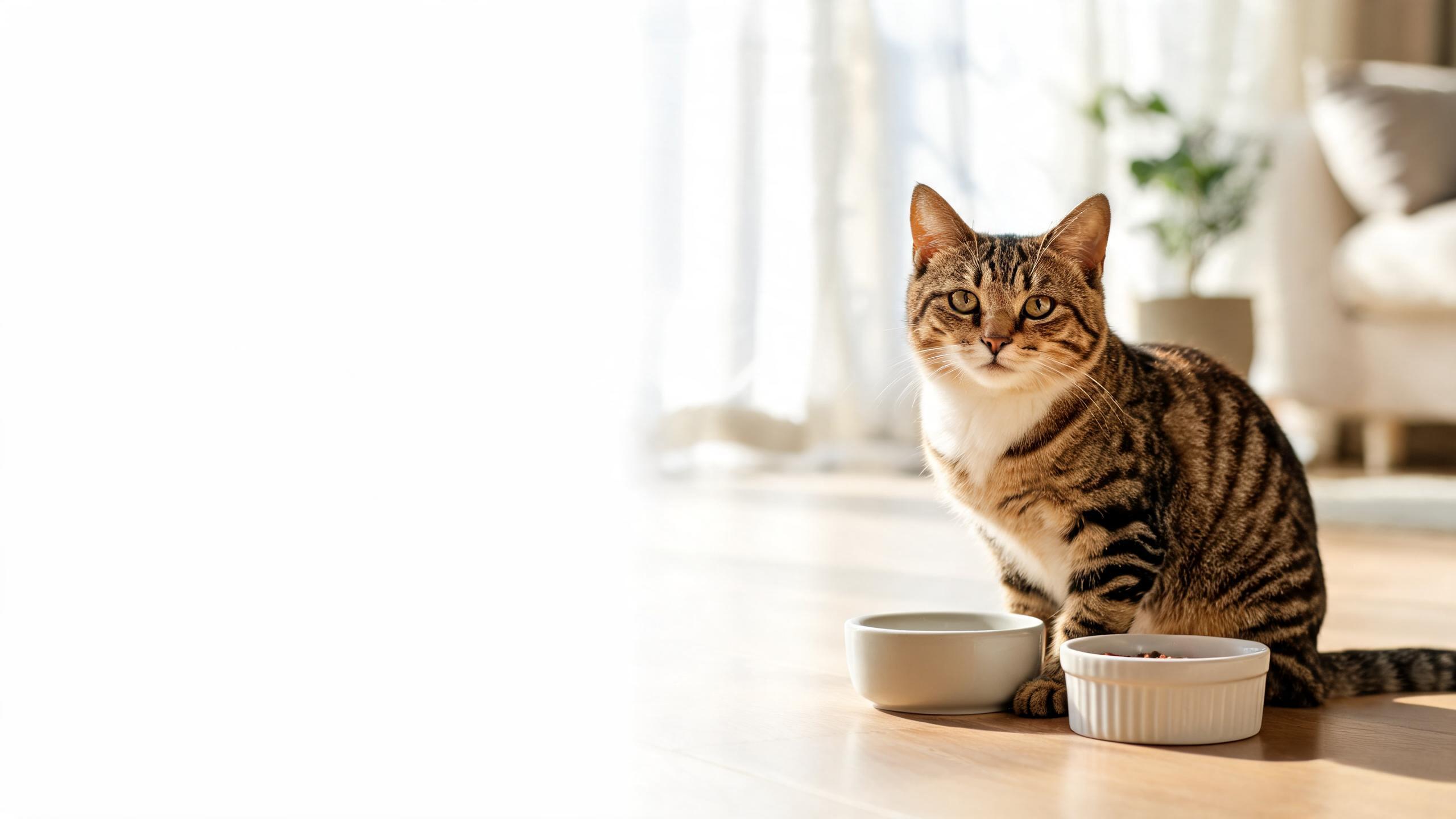
Dealing with bloody diarrhea in your cat? Learn about rare histiocytic ulcerative colitis: symptoms, diagnosis, and management tips to help your kitty feel better fast.
Picture this: your cat's suddenly glued to the litter box, straining like crazy, and you're cleaning up bloody, slimy messes multiple times a day. Heartbreaking, right? That's how histiocytic ulcerative colitis often shows up in cats – a rare gut issue that punches above its weight in worry.
And here's the kicker: it involves those big immune cells called histiocytes going haywire in the colon, causing ulcers and inflammation. Not common, but when it hits, it hits hard.
Quick Takeaways
- Rare colon condition marked by ulcers and bloody, mucoid diarrhea – affects far fewer than 1 in 100 colitis cases.
- Key signs: frequent trips to the box, straining (tenesmus), and later weight loss.
- Diagnosis rules out infections, parasites, allergies, and even cancers via tests and scopes.
- Treatment focuses on fiber-rich diets, antibiotics, and close monitoring.
- Long-term success depends on weekly check-ins and diet tweaks – many cats bounce back.
What Causes Histiocytic Ulcerative Colitis?
Nobody's pinned down the exact trigger yet. But look, these histiocytes? They're like the cleanup crew of your cat's immune system, gobbling up invaders in the tissues. In this disease, they cluster in the colon lining, sparking ulcers you can see under a microscope after staining with something called PAS.
A study out of the Journal of Veterinary Internal Medicine back in 2012 looked at 25 affected cats and found patchy inflammation screaming 'infectious?' But tests came up empty. Genetic links pop up in breeds like Siamese sometimes, though it's no breed-specific bomb. Honestly, not gonna lie, it's frustrating how elusive the cause stays – reminds me of those mystery itch cases that drive owners nuts.
I've chatted with folks whose cats suffered for months before a deep dive revealed this. Sound familiar? Early catches make all the difference.
Want to support your pet's skin, coat, and joints naturally? Try PetJesty's Vegan Omega Oil — 100% plant-based, developed with vets.
Recognizing the Symptoms Early
It starts sneaky. Bloody, mucoid diarrhea – think red streaks mixed with jelly-like gunk – ramps up fast. Your cat might poop 5-10 times a day, each time straining hard, even if nothing comes out. That's tenesmus, and it looks painful.
Common Signs to Watch For
- Frequent, urgent litter box visits with little output.
- Mucus-heavy stools that smell off.
- Appetite dips, leading to weight loss over weeks.
- General lethargy once debilitation sets in.
Cats hide discomfort well, so a suddenly messy box is your red flag. One owner I know ignored it for a week, thinking 'hairball drama,' only for her tabby to drop pounds quick.
> "Cats won't cry about tummy pain – they'll just suffer in silence until you notice the evidence."
Getting the Right Diagnosis
Vets don't guess here. Differential diagnosis is the game: systematically knock out the usual suspects. Parasites? Fecal float says no. Bacterial takeover? Culture it. Allergies or plain IBD? Biopsies tell.
And the big guns: abdominal X-rays or ultrasound to spot twists like cecal inversion (where the bowel folds into itself) or intussusception (one gut section telescoping into another). Tumors such as lymphoma or adenocarcinoma mimic this too – scary, but rule-outs save lives.
But the gold standard? Colonoscopy. They snake a camera up there, spotting pinpoint red ulcers, thickened folds, or narrowed spots. Snag multiple biopsies – one might miss the histiocytes. A 2015 review in Veterinary Pathology emphasized how patchy it is; single samples flop 30% of the time.
Here's the thing: push for this if symptoms linger. Too many cases get labeled 'irritable bowel' and drag on.
Treatment Options That Actually Work
Outpatient mostly – no hospital stays unless dehydrated. Start with diet overhaul: add moderately fermentable fiber like psyllium or beet pulp. It bulks stools, feeds good gut bugs, and soothes the lining. Studies show 70% of colitis cats improve in 2-4 weeks on this alone.
Your vet might toss in antibiotics (think tylosin or metronidazole) for lurking bugs, plus anti-inflammatories if swelling's bad. Steroids? Rare here, since histiocytes complicate things.
PetJesty's got fiber blends that fit right in for maintenance – owners rave about steadier poops without the drama.
Step-by-Step Management Plan
- Week 1-2: Strict new diet, meds as prescribed. Weigh daily.
- Re-check: Vet visit to tweak based on poop quality.
- Ongoing: Probiotics if recurrence hints show.
One mildly opinionated take: fiber beats blanket antibiotics every time. Overuse breeds resistance – we've seen it skyrocket in vet clinics lately.
Long-Term Care and Prevention Tips
Recurrence? Possible, so monitor clinical signs and weight every 7-14 days at first, then monthly. Some cats need low-dose antibiotics forever, others thrive on diet alone.
And prevention? Tricky with unknown causes. Keep up deworming, quality food, low stress. Probiotics build resilience – a trial in Feline Practice journal cut flare-ups by half in at-risk cats.
Living with it isn't doom. My friend's rescue Maine Coon had brutal episodes, switched to fiber-heavy kibble, and now? Box is clean, cat's plump and purring. That meandering path from panic to peace? Totally worth the vet bills.
Stretch those litter scoops less often, watch energy rebound. Cats adapt quick when you do the work.
But if symptoms explode – nonstop straining, blood pools – emergency room, stat. Dehydration sneaks up.
Wrapping this up over our imaginary coffee, here's to healthier guts for your crew. At Royal Pet, we're all about real support for issues like this – PetJesty formulas keep things balanced so you worry less. Got a story? Drop it below.
Stay paw-sitive, Fiona