How Cold is Too Cold for Cats?
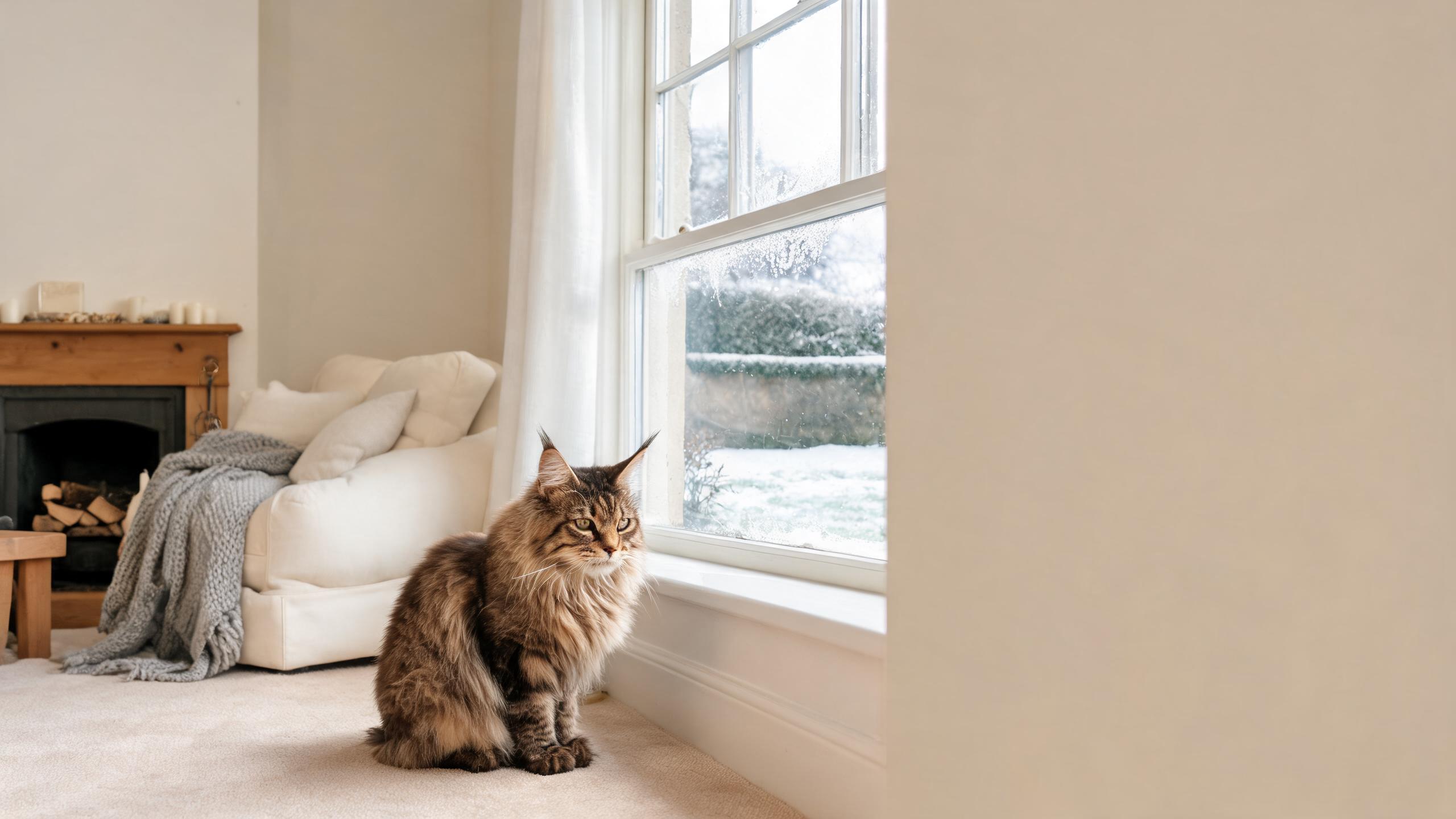
Wondering when temps drop too low for your cat? Below 45°F gets uncomfortable fast, and freezing is dangerous. Spot signs, keep them cozy, and learn winter tips for happy kitties.
Picture this: your cat, that eternal sun-worshipper, suddenly huddling in a corner on a brisk fall day. I've seen it happen to so many indoor-outdoor cats – one chill snap, and they're begging at the door to come in. Cats crave warmth like we crave coffee, but how low can temps go before it's a real problem?
Quick Takeaways
- Most cats start feeling the chill below 45°F; seniors and kittens hate anything under 60°F.
- Freezing temps (32°F and below) risk hypothermia and frostbite for every cat.
- Watch for shivering, lethargy, or tight curling – early signs they're too cold.
- Keep outdoor time zero below 45°F; stock up on heated beds for power outages.
- Coat thickness matters, but no cat thrives in prolonged cold.
Why Cats Feel the Cold More Than You Think
Cats run hotter than us – their normal body temp sits between 100.4°F and 102.5°F, according to data from the Journal of Feline Medicine and Surgery. That's why they flop on keyboards or radiator covers. But drop the air below 45°F, and even the fluffiest Maine Coon starts squirming.
And here's the thing: not all cats handle cold the same. Kittens and seniors lose heat fast because their regulation systems aren't top-notch. Sick ones, skinny strays, or those sleek Siamese from tropical roots? They're miserable quicker. A study out of Cornell University's College of Veterinary Medicine showed thin-coated breeds drop core temp 20% faster in 40°F conditions.
Thick-furred Norwegian Forest Cats might tough it out longer, but honestly, no cat should be testing those limits outdoors. I've chatted with vets who've treated frostbitten ears on "tough" ferals – it's heartbreaking and preventable.
Want to support your pet's skin, coat, and joints naturally? Try PetJesty's Vegan Omega Oil — 100% plant-based, developed with vets.
Temperature Danger Zones for Your Cat
Let's break down the numbers. These aren't guesses; they're based on what happens when cats' bodies can't generate enough heat.
Everyday Chills (50–60°F)
Cats with arthritis or recent weight loss act like it's winter in Antarctica here. They'll avoid open rooms, sticking to laps or vents.
Getting Uncomfy (45–50°F)
Small breeds, hairless wonders like Sphynx, and the young or old? Bring 'em in. Prolonged exposure leads to stress, and stress weakens immunity.
Serious Risk (32–45°F)
Healthy adults tolerate short bursts, but hours outside? Nope. Ears and paws go numb first.
Deadly Cold (Below 32°F)
All cats at risk. Hypothermia kicks in fast – body temp plummets below 100°F, organs shut down. Frostbite hits extremities. Community cats might grow winter coats, but they're still vulnerable without shelter.
> "Cats are masters at hiding discomfort until it's critical – don't wait for the shiver."
Spotting a Cat That's Too Cold
Cats aren't whiners like dogs. They curl tight, tuck noses under tails, and burrow. Sound familiar? Next come shivering and lethargy. Appetite drops, they're cool to the touch, maybe weak.
If it worsens: collapse, low heart rate, breathing issues. That's hypothermia territory. A quick touch test on paws and ears helps, but if they're unresponsive, it's vet time stat.
Not gonna lie, I've missed subtle signs in my own cats during early cold snaps. Now I check ears daily when it's dipping low.
Keeping Your Cat Warm All Winter Long
First rule: below 45°F, cats stay inside. No debates, even if they meow at the door. For neighborhood ferals, set up an insulated box with straw bedding – straw traps body heat better than blankets.
Indoors, they self-select sunny spots or your lap. But amp it up with:
- Self-warming beds that reflect their own heat.
- Pet-safe heated mats (low-voltage, chew-proof).
- Sweaters for skinny seniors – some tolerate them like pros.
And for coat health in dry winter air? A quality omega supplement like PetJesty's Vegan Omega 3, 6 & 9 Algae Oil keeps skin from flaking and fur from getting brittle, which helps insulation.
Power Outages and Cold Emergencies
Winter storms hit hard. Lost power? Layer blankets over beds, close off rooms to trap heat. Battery-powered heated pads save the day short-term.
But if you're evacuating, find pet-friendly shelters ahead. Never leave them behind – hypothermia kills quick without you.
Prep a kit: extra food, water bowls (warm the water to 98.6°F body temp), leashes, and meds. Make a plan now; chaos isn't the time.
What About Outdoor Cats in Winter?
Strays survive by finding sheds or engine blocks, growing denser fur. But many don't – starvation, illness, or exposure claim lives yearly. Feed stations with dry kibble (less freezing) and fresh water help.
Can cold make cats sick? Absolutely. It stresses the body, flares arthritis, invites infections. Weakened immunity means upper respiratory bugs hit harder.
Your house too cold? If kitty's always on vents or shivering at 68°F, crank the thermostat or add a space heater safely.
Look, winter's no match for a proactive pet parent. Keep temps above 45°F outside, watch those signs, and cozy up. Your cat will thank you with extra purrs.
That's us at Royal Pet – helping you give pets the health edge they deserve, one warm bed at a time.