How Much Exercise Does My Dog Need? A Guide by Age and Breed
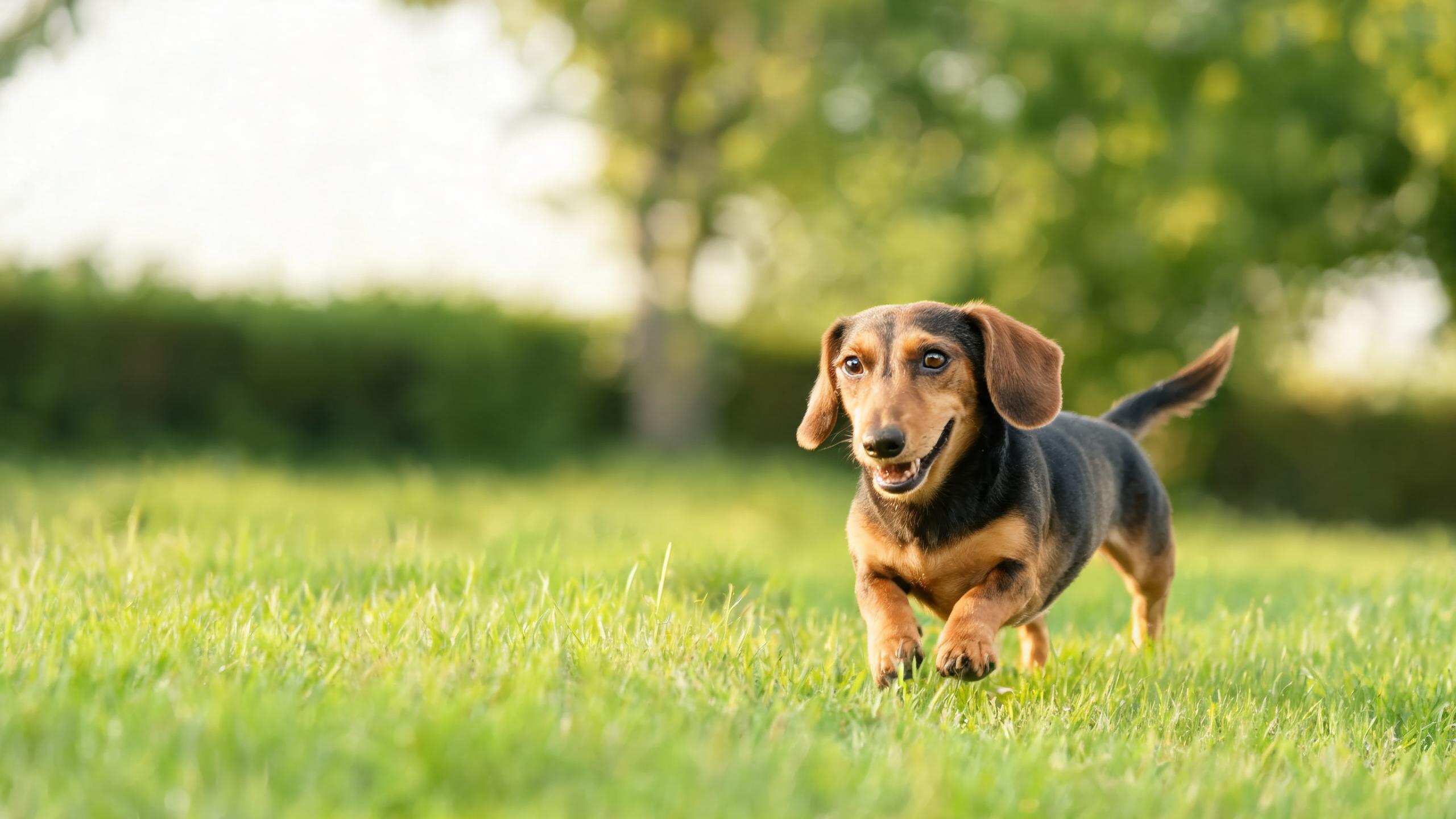
Too little and your dog is bored and unfit; too much and you risk injury. Here is how to judge the right amount of exercise for your dog's age, breed and health.
"How long should I walk my dog?" sounds like it should have a simple answer. It does not — a Border Collie and a Bulldog live in completely different worlds. Getting exercise right keeps your dog fit, settled and happy; getting it wrong leads either to a bored, destructive dog or, at the other end, to injuries and exhaustion.
It depends on the breed
Breed is the biggest single factor. As a rough guide:
- High-energy working breeds (Collies, Spaniels, Huskies, many terriers) often need a couple of hours of varied activity a day, and crucially a job for their brains.
- Average breeds (many Labradors, retrievers, crossbreeds) do well on around an hour to ninety minutes.
- Lower-energy and flat-faced breeds (Bulldogs, Pugs, some giant breeds) need less, and brachycephalic dogs in particular must not be over-exercised, especially in heat.
These are starting points, not rules — watch your individual dog.
...and on age
Age changes the picture just as much:
- Puppies should not be over-exercised while their joints are still developing. A common rule of thumb is around five minutes of formal exercise per month of age, once or twice a day — so a four-month-old puppy, roughly twenty minutes. Free play and pottering are different and self-limiting.
- Adult dogs are in their prime and can build up to their breed's full needs.
- Senior dogs still need regular, gentle movement to keep muscles and joints working, but shorter and softer — little and often beats one big push.
Signs you have the balance wrong
Your dog will tell you. Too little shows up as restlessness, weight gain, destructive behaviour and trouble settling. Too much shows up as limping or stiffness, lagging behind, reluctance to walk, or being utterly flattened for a day afterwards. The "weekend warrior" pattern — nothing all week, then a marathon hike on Saturday — is a classic route to injury.
Do not forget the brain
A surprising amount of a dog's exercise need is mental. Sniffing walks, training games, puzzle feeders and scent work tire many dogs out more effectively than another lap of the park. For high-drive breeds especially, mental work is not optional.
Protecting the joints
However much your dog exercises, you want those joints to last. Keeping your dog lean, warming up before hard activity, choosing low-impact options for older dogs, and supporting joint health through nutrition all help. Omega-3 fatty acids, EPA and DHA, support comfortable movement and are the most evidence-backed nutrient for canine joint health — a sensible foundation for an active dog or a stiffening senior alike.
To support your dog's joints through an active life, PetJesty's Vegan Omega 3, 6 and 9 Algae Oil provides clean, mercury-free EPA and DHA. If your dog tires unusually easily or is stiff after exercise, it is always worth a word with your vet.