How to Dispose of Dog Poop Right
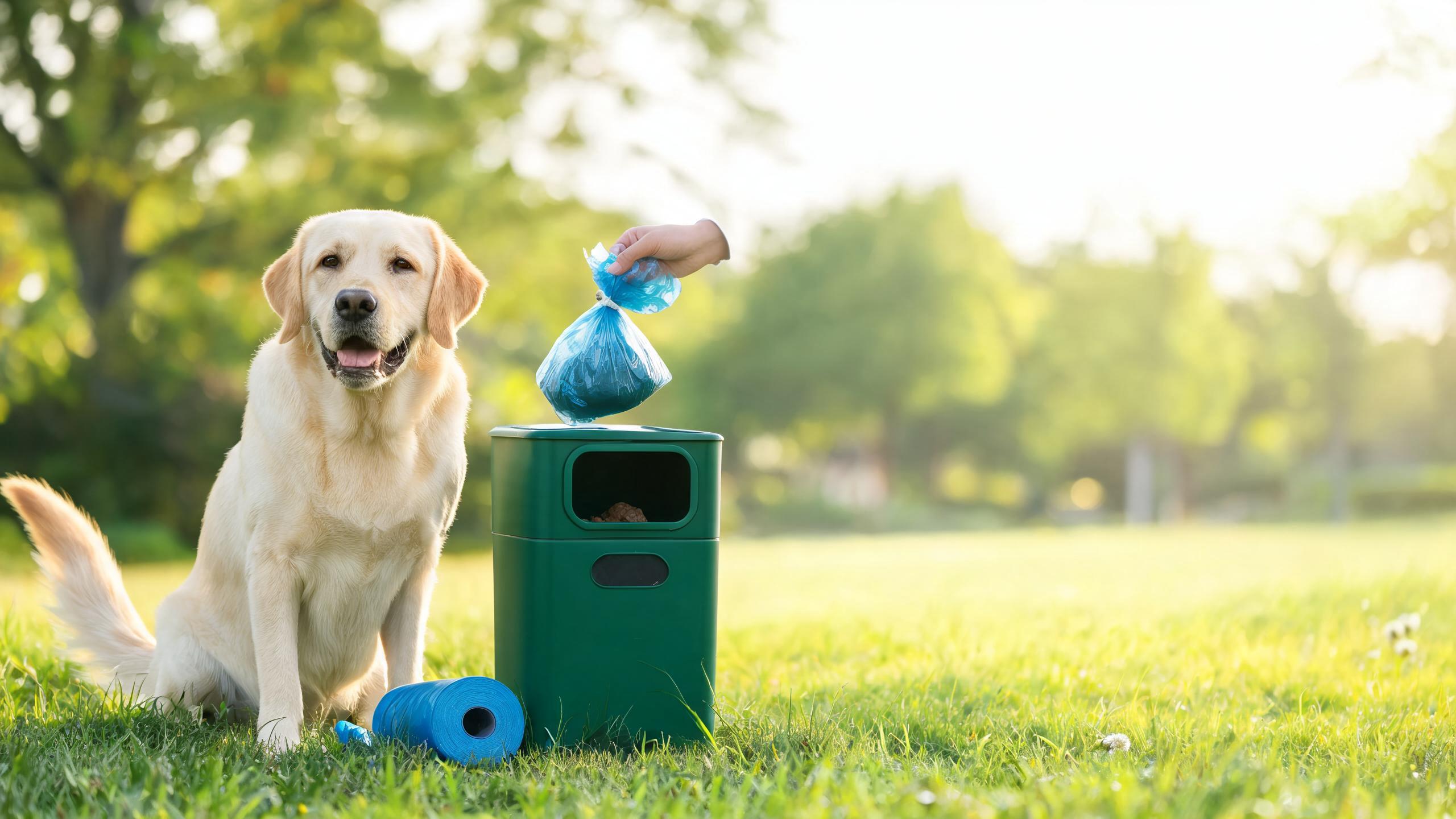
Scooping dog poop is a daily chore, but are you doing it right? Discover safe disposal methods that protect your health, pets, and environment—no more guesswork.
Picture this: America's 78 million dogs drop about 10 million tons of poop each year. That's enough to load up roughly 268,000 tractor trailers. Sound overwhelming? It is. And if you're not handling that daily deposit from your own pup properly, you're part of the problem.
I've chatted with so many dog owners who just bag it and toss it curbside without a second thought. But here's the thing—there's a smarter way. Let's talk real disposal methods that keep everyone safe.
Quick Takeaways
- Flush plain dog poop (no bag) down the toilet—it's the top choice backed by the U.S. Environmental Protection Agency.
- Never leave waste on the ground; it pollutes waterways and spreads bacteria.
- Biodegradable bags to the trash bin beat plastic ones every time.
- Cat poop? Skip the flush entirely due to parasite risks.
- Dog feces carry nasty stuff like roundworms, salmonella, and E. coli—clean up fast.
Why Dog Poop Disposal Actually Matters
You might think a little poop in the yard won't hurt. Wrong. Rain washes it straight into storm drains, then rivers and lakes. The Natural Resources Defense Council points out how excess nutrients from pet waste fuel algae blooms that choke out fish and make water unsafe for swimming.
And health-wise? Not gonna lie, it's grosser than you imagine. Fido's business can pack parasites like hookworms or whipworms, plus viruses such as parvovirus and giardia. Kids playing outside? Elderly neighbors? They're at higher risk if it's left lying around.
I've seen yards turn into minefields because owners skip the scoop. One client told me her toddler got roundworms from just that—playtime in an untreated yard. Brutal lesson.
Want to support your pet's skin, coat, and joints naturally? Try PetJesty's Vegan Omega Oil — 100% plant-based, developed with vets.
The Smartest Way: Flushing Dog Poop
But wait—flushing works great for dog poop. Break it up with a toilet brush or just plop it in without the bag. Municipal sewage plants handle it fine, killing off most pathogens in the process.
The U.S. Environmental Protection Agency backs this as the gold standard. No bag means no clogs, and it heads to treatment instead of landfills.
A Few Key Rules Here
- Dog only. Cat feces? Absolutely not. They often carry Toxoplasma gondii, a parasite that survives standard water treatment and infects humans via contaminated water.
- Skip the poop bag entirely. Those plastics don't break down in pipes and can jam your home plumbing or overload city sewers.
- Got a septic system? Check your manual first—some can't handle the extra solids.
Ever tried it? It's oddly satisfying, and your trash bin stays less smelly.
> Leaving dog poop behind might seem harmless, but it's like inviting bacteria to a backyard party nobody wants.
When Flushing Isn't an Option
No indoor plumbing on walks? Or a massive dog producing baseball-sized bombs? Grab biodegradable poop bags. Toss 'em in the regular trash.
Plastic bags linger forever in landfills, but plant-based ones break down faster—look for ones certified compostable if your town has those bins.
Composting? Possible, but tricky for dog owners. You'd need a pet-specific hot composter reaching 165°F to kill pathogens. Mix with carbon-rich stuff like leaves or sawdust, turn it weekly, and wait 6-12 months. Honestly, most folks don't have the setup or patience—I'd stick to bagging unless you're hardcore.
And that myth about poop fertilizing lawns? Busted. Carnivore waste is too nitrogen-heavy and pathogen-loaded without full breakdown. Your grass won't thank you.
Health Risks That'll Make You Scoop Twice as Fast
Let's get real about the dangers. A single gram of dog feces can hold 23 million coliform bacteria. Multiply by daily dumps, and you've got a recipe for trouble.
Common culprits:
- Parasites: Roundworms shed eggs that kids ingest playing in dirt.
- Bacteria: Salmonella or E. coli lead to tummy troubles—or worse.
- Viruses: Parvo spreads via contaminated soil, deadly for unvaxxed pups.
A study from the University of Liverpool found dog parks with poor cleanup had 10 times higher parasite loads in soil samples. Yikes.
Protect your pack by picking up every time. Gloves help, or double-bag for extra barrier.
But and here's my mildly hot take: Cities should mandate biodegradable bags at dog parks. Plastic everywhere is lazy parenting for pets.
Eco-Friendly Bags and Tools Worth Trying
Switched to biodegradable yet? Brands make 'em from corn starch or manure—yeah, poop bags from poop. They decompose in 3-6 months in landfills versus plastic's 100+ years.
Pro tips:
- Carry a dispenser on walks—clip to leash for one-handed grabs.
- Use a scooper tool for yards; less bending, cleaner hands.
- For apartments, small lidded trash cans with liners cut odors.
One longer story: My neighbor's yard smelled awful until she started flushing and bagging the rest. Neighbors actually complimented her place. Small changes, big wins.
And if your dog's poop looks off—mushy, bloody, or frequent—it might signal diet issues. That's where something like Royal Pet's gut-friendly supplements can steady things up naturally.
Scooping poop right isn't glamorous, but it keeps our communities cleaner and critters healthier. Next walk, you'll feel like a responsible hero. Got questions on pet routines? Drop 'em below—we're here chatting pet health every day at Royal Pet. Keep those tails wagging.
-Fiona