How to Potty Train a Puppy in Weeks
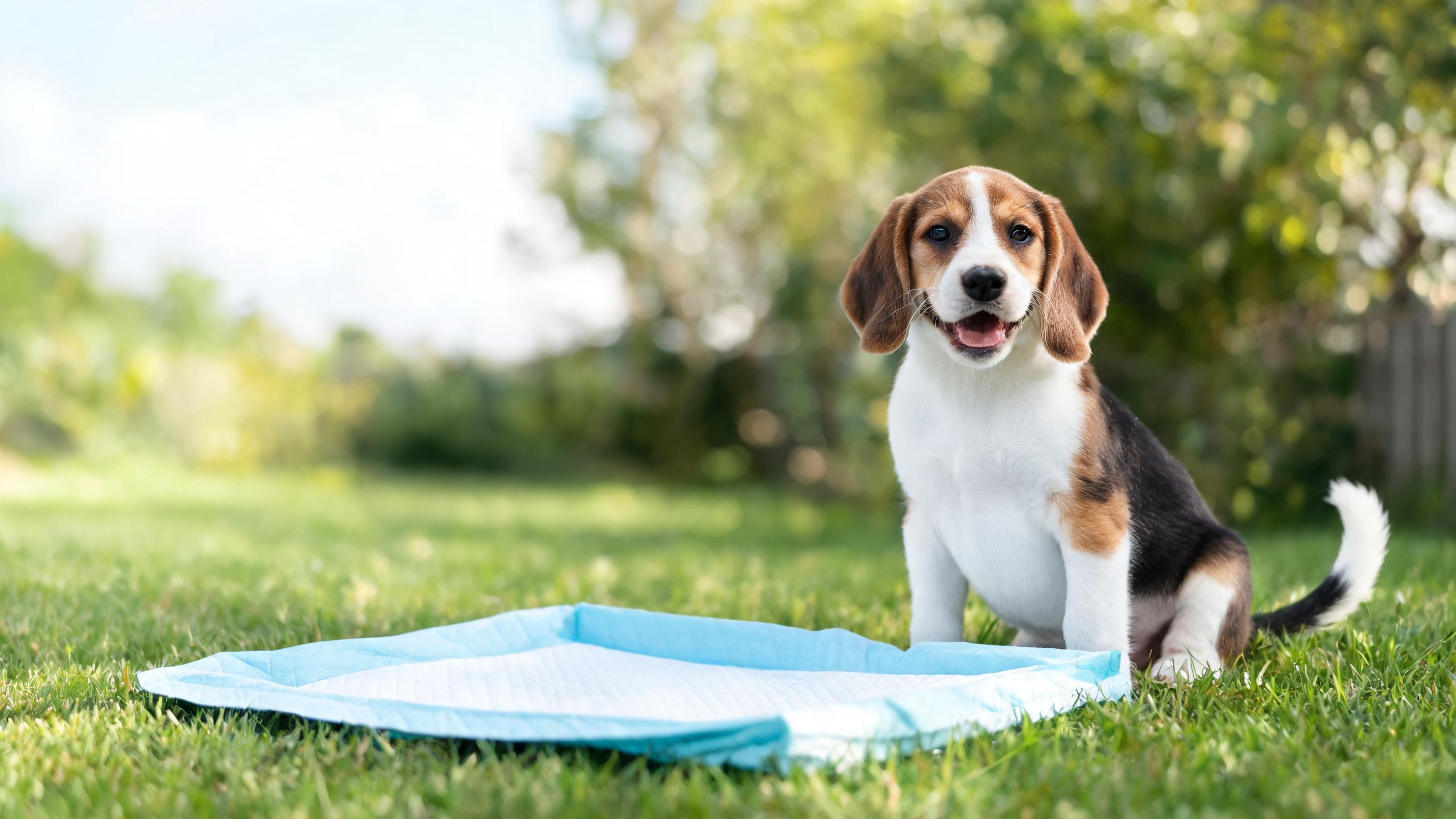
Bringing home a puppy? Master potty training with a simple schedule, puppy pads, and positive rewards. Get accident-free results fast without frustration.
Picture this: it's 3 a.m., your adorable new puppy is whining, and you're scrubbing yet another spot on the rug. Sound familiar? We've all been there.
Potty training a puppy doesn't have to feel like a battle. With the right routine, it clicks quicker than you'd think.
Quick Takeaways
- Stick to meals at set times and potty breaks every 1-2 hours for pups under 8 weeks.
- Puppy pads bridge the gap until they're ready for full outdoor success.
- Crate training taps into their natural instincts – no one wants to mess their bed.
- Reward right after they go, every time, with treats or cheers.
- Most pups nail it in a couple months if you're consistent.
Build a Bulletproof Schedule First
And here's the thing: puppies thrive on predictability. Set feeding times to three meals a day, same clock every time. Say, 7 a.m., noon, and 6 p.m. They'll poop or pee within 15-30 minutes after eating, so plan your walks right then.
For tiny ones under 8 weeks, haul them out every hour or two. Their bladders are like sieves – a study out of the University of Pennsylvania's vet school found pups that age can only hold it for about that long before nature calls. Miss it, and accidents happen. But get it right, and you're building habits that stick.
Pick a cue word too. "Potty time!" or "Outside!" Repeat it every trip. Over days, they link it to the deed. I've watched friends' pups perk up at those words after just a week.
Short outings at first. Five minutes max. Sniff, squat, success. No lingering play until after.
Want to support your pet's skin, coat, and joints naturally? Try PetJesty's Vegan Omega Oil — 100% plant-based, developed with vets.
Puppy Pads: Mess-Savers for Real Life
Look, not every pup masters outdoors overnight. Puppy pads are a game... wait, no, a smart bridge. Absorbent ones soak up leaks and kill odors, keeping your floors safe.
Place them by the door you'll use most. Show your pup a few times: lead them there, say your cue, praise wildly if they go. They learn "this spot means relief."
In a playpen? Line the bottom. Soft landing, easy cleanup. As they grow, shift pads closer to the door, then phase out. One client I chatted with swore by this – her floor stayed spotless through the chaos.
> Puppies aren't being bad; they're just babies figuring out their bodies. Patience turns mishaps into milestones.
For night? Bigger pads handle overnights. And if health hiccups pop up later, like UTIs in older dogs, pads with pH indicators can flag issues early. Smart, right?
Crate Training: The Instinct Hack
Dogs hate soiling their den. Crate training leans into that. Get a crate just big enough for them to stand, turn, and sleep – no extra room for corners.
Use it for naps, bedtime, and when you're out of sight. Feed meals inside sometimes. They'll hold it to keep their space clean.
Never punish with it, though. That's my hot take: crates build trust, not fear. A Journal of Veterinary Behavior piece noted crated pups had 40% fewer accidents during training. Pop them in after play; tired pups sleep sound.
Large breeds? Size up gradually. Puppies grow fast – one week they're fitting a small crate, next they're busting out.
Read the Signals and Reward Like Crazy
Supervise like a hawk. Circling? Sniffing floors? Whining at the door? Those are neon signs. Scoop 'em up, leash on, out you go.
Leash for every break. Keeps them focused, gets them leash-comfy early. Go, potty, huge praise. Treats rain down. Play a bit after – makes outside fun, not just business.
Timing matters. Reward in seconds, not minutes. They connect "outdoor squat = jackpot."
Accidents? Ignore. Clean with enzyme spray – masks the scent so they don't return. Yelling? Useless. Just teaches sneaky peeing.
Here's a slightly rambling thought: you know how kids test boundaries? Pups do too, especially high-energy breeds like Labs or Huskies. But mix in short training bursts, say 10 minutes post-meal, with belly rubs for good tries, and suddenly you're both winning. Add chews for calm crate time, and it all flows smoother than you'd expect on those first exhausting days.
Common Signals to Watch
- Sudden sniffing everywhere.
- Restless pacing or circling.
- Whining or pawing doors.
- Leaving the room quietly.
Nail these, and indoor puddles plummet.
When Does It All Click?
Patience, friend. Every pup's different – quick learners might grasp it in weeks, others take months. By 4-6 months, bladders mature; they hold longer.
Consistency shaves time off. One vet pal said her fastest was 10 days with non-stop routine. Seven days? Possible for stars, but don't bet on it. Most hit reliable by 4 months with breaks every 4-6 hours daytime, overnight holds by then.
Stumbles happen. Teething? Regression. New baby? Stress pees. Back to basics, no biggie.
Royal Pet's got your back too – our PetJesty supplements keep energy steady for those active training days, supporting overall puppy vigor without crashes.
But stick with it. That clean house and proud pup? Worth every early wake-up.
There you have it – your roadmap to a potty-proficient pal. We've helped tons of owners ditch the drama here at Royal Pet. Drop a comment if you've got puppy stories or tweaks that worked for you!