Lysine for Cats: Does It Help with Sneezes?
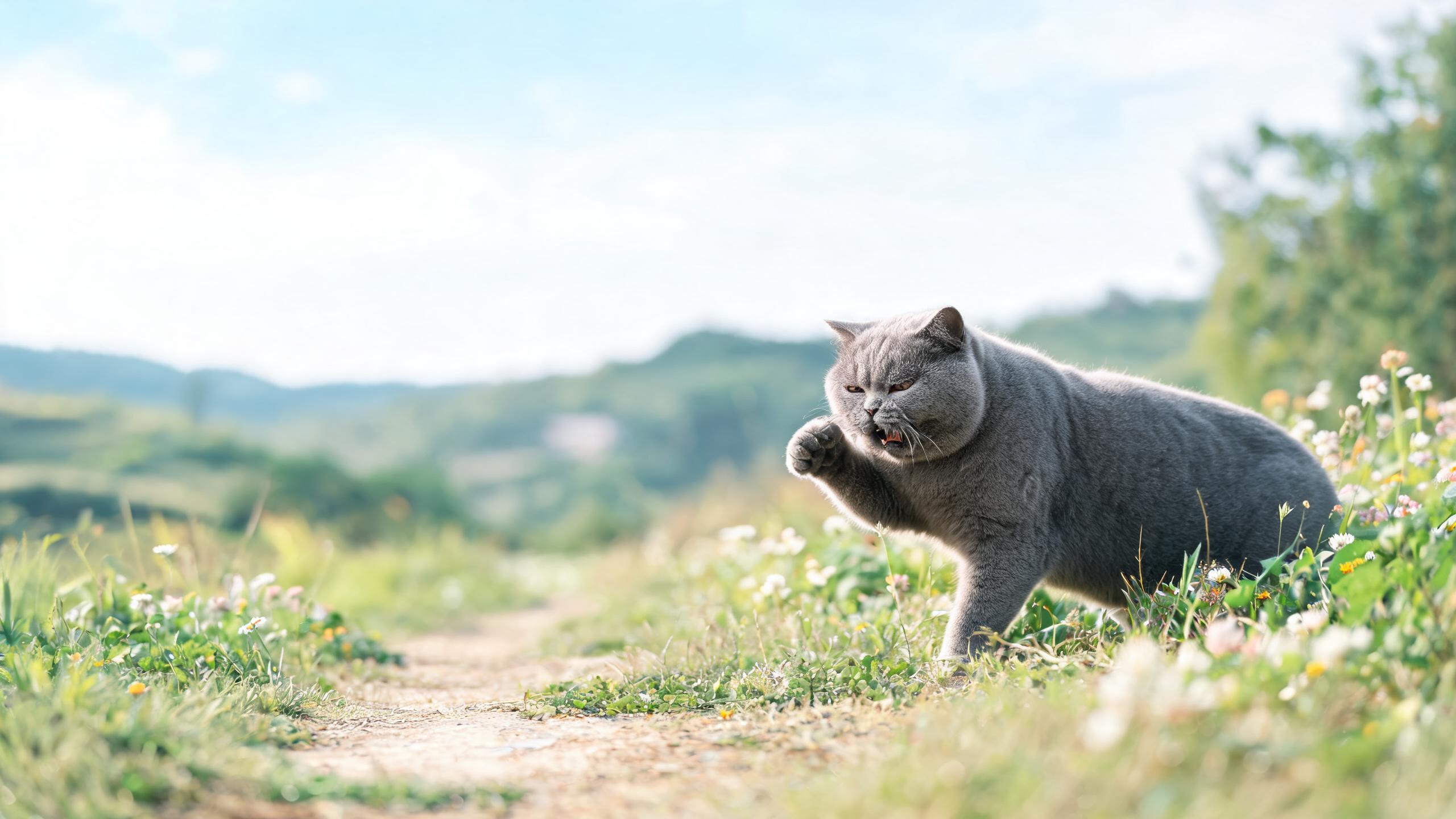
Cat sneezing nonstop? Lysine supplements get hyped for fighting feline herpesvirus, but recent studies question if they work. Get the facts on what really helps respiratory issues in cats.
Picture this: your cat's rubbing her eyes, sneezing like she's got a perpetual cold, and you're staring at that bottle of lysine wondering if it'll save the day. Sound familiar? I've been there with friends' kitties, and it's frustrating when simple fixes don't pan out.
Quick Takeaways
- Lysine is an essential amino acid cats usually get from food, but it's popular for feline herpesvirus (FHV-1).
- It aims to block viral replication by competing with arginine, easing symptoms like runny noses and red eyes.
- Recent studies, including one on 144 shelter cats, show it doesn't prevent or treat infections effectively.
- No known side effects in cats, but always check with your vet first.
- Skip it as a solo fix—vet care beats supplements every time.
What Is Lysine, Anyway?
Lysine, specifically L-lysine, is one of those essential amino acids that build proteins in your cat's body. Think of it as a Lego brick for muscles, enzymes, you name it. Cats get plenty from quality cat food formulated just for them, so most don't need extra unless there's a specific issue.
But here's the thing: lysine isn't FDA-approved for cats. It's used off-label in vet world, meaning docs prescribe it based on experience rather than strict stamps of approval. Not gonna lie, that makes me cautious—supplements can vary wildly in quality.
Want to support your pet's skin, coat, and joints naturally? Try PetJesty's Vegan Omega Oil — 100% plant-based, developed with vets.
Why Do Vets Suggest Lysine for Cat Respiratory Problems?
And it all circles back to FHV-1, the sneaky virus behind feline viral rhinotracheitis. Super common in kittens and shelters, it hits with sneezing, nasal gunk, eye goop, and pink eye. Stress triggers flare-ups, turning your chill cat into a snot factory.
The idea? Lysine messes with the virus's game plan. FHV-1 needs arginine, another amino acid, to copy itself inside cells. Pump in lysine, and it supposedly coats the virus, blocking arginine's access. No replication, fewer symptoms. Pretty clever on paper, right?
I've seen so many pet owners try this after their cat comes home from boarding with a sniffle. Back in the day, vets swore by it for prevention.
The Catch with FHV-1 and Everyday Cats
> "Lysine sounds like a magic bullet for cat colds, but science says it's more placebo than powerhouse."
That quote sticks with me from chats with vets over coffee—it's blunt but true.
Do Studies Back Up Lysine for Cats? Let's Look Closer
Veterinarians used to hand out lysine like candy for FHV-1. But science shifted gears. A 2010 study in the Journal of Feline Medicine and Surgery tested it on shelter cats: 144 got daily lysine, 147 didn't. Result? Zero difference in conjunctivitis or upper respiratory infections. None.
Lab tests showed lysine cut viral shedding a bit under controlled conditions, maybe slowing spread. But real-world cats? Different story. Some research even hints high doses ramp up shedding, making symptoms worse. Oof.
Here's my mildly hot take: lysine got overhyped before these studies dropped. Now, with evidence piling up against it, I wouldn't rush to the pet store shelf. A University of Tennessee trial echoed this—no big wins for treatment or prevention in naturally infected cats.
And get this long, winding thought that always trips me up when explaining to worried owners: while lysine might seem harmless and cheap, relying on it could delay real help, like antivirals or antibiotics for secondary infections, especially since stressed cats in multi-pet homes or shelters spread FHV-1 fast, and what starts as a minor sniffle can drag on for weeks if ignored.
Any Risks or Side Effects from Lysine?
Good news—no reported side effects in cats. Humans might get tummy aches or loose stools from it, but felines handle it fine. Still, quality matters. Pick reputable brands, and yeah, talk to your vet.
Stress from wrestling a supplement into a picky eater? That alone can worsen FHV-1, since the virus loves cortisol spikes.
How Do You Even Give Cats Lysine?
Easy forms abound: powders you mix into wet food, tasty gels, chewy treats, or capsules you crack open. Many cats gobble the treats solo—they're flavored like chicken or fish.
Dosing? Usually 250-500 mg daily for adults, split if needed. Kittens get less. But repeat after me: vet first.
If your cat's got active symptoms—persistent sneezing, thick discharge, lethargy—lysine won't cut it. Head to the clinic. They might test for FHV-1, prescribe eye ointments, or suggest immune boosters.
Pro Tip List for Respiratory Woes:
- Keep stress low: pheromone diffusers work wonders.
- Clean eyes/nose gently with saline.
- Humidify the air during dry seasons.
- Isolate sneezy cats from others.
- Feed high-quality food for baseline immunity—brands like Royal Pet's lineup keep things balanced without gimmicks.
Bottom Line: Vet Over Vitamins
But honestly, if lysine's track record is shaky, what's a cat parent to do? Focus on prevention and prompt care. Vaccines cut FHV-1 severity, clean environments help, and nutrition supports immunity overall.
PetJesty from Royal Pet packs amino acids and nutrients cats crave without the guesswork, but it's no sub for professional advice. Your vet knows your cat's history best.
That's the real deal on lysine—promising idea, meh results. Next time your kitty's under the weather, skip the supplement aisle and book that appointment. Your cat will thank you with headbutts.
Keeping tails wagging (and noses clear) here at Royal Pet, Fiona