Nosebleeds in Dogs: Why It Happens and How to Help
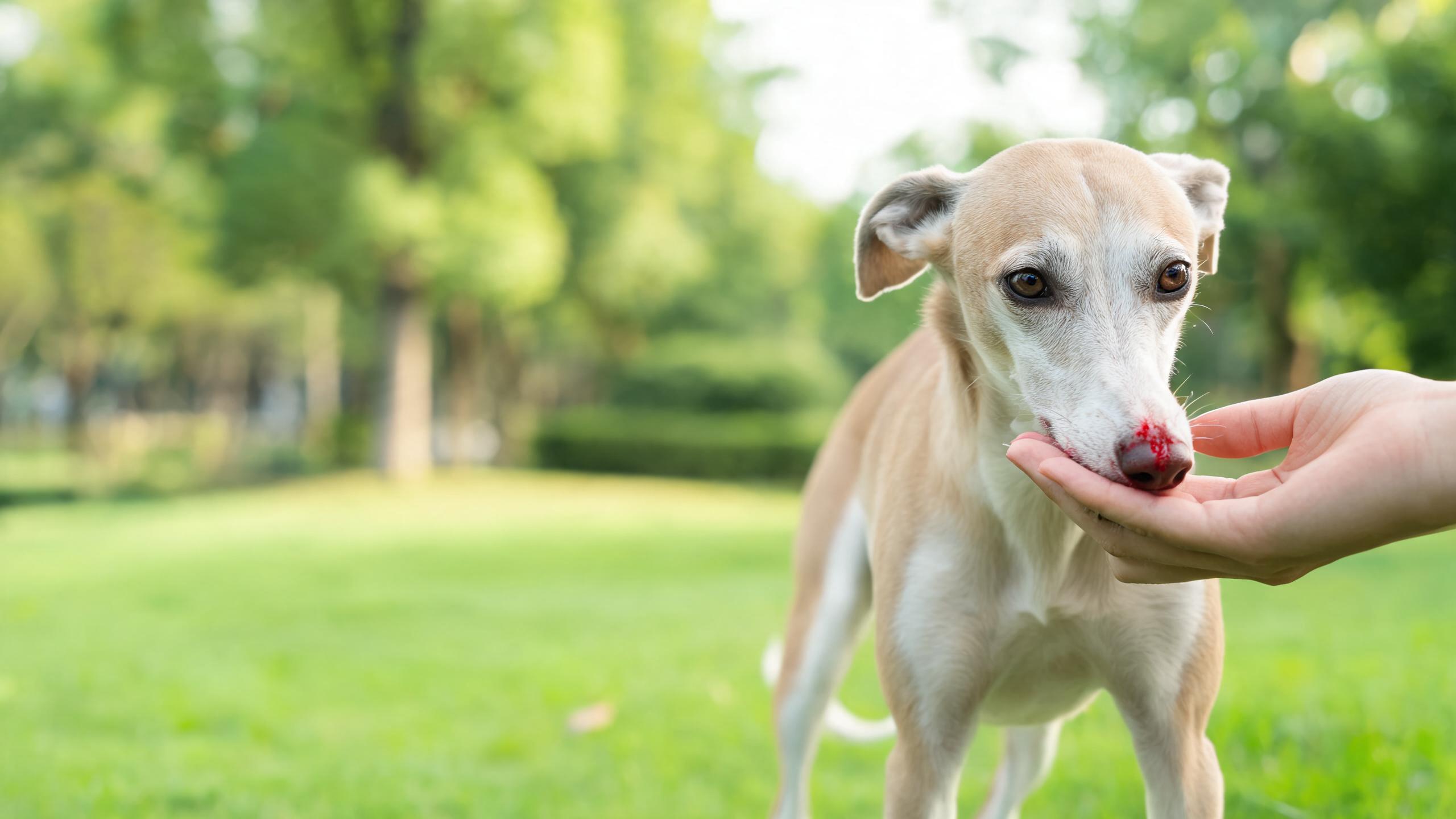
Does your dog have a nosebleed? Learn the common causes of epistaxis in dogs, from trauma to dental issues, and find out exactly what to do when it happens.
Why Is My Dog’s Nose Bleeding?
Seeing blood where it shouldn't be is enough to make any pet parent’s heart skip a beat. If you’ve just spotted a red drip on your hardwood floor or a crimson stain on your dog’s snout, your first instinct is probably to panic. I’ve been there—one minute you're playing fetch, and the next, you're wondering if a simple bump on the nose is actually something much worse.
In the veterinary world, a nosebleed is officially called epistaxis. While it might look like a minor scrape, a nosebleed in a dog is actually something that always warrants a phone call to your vet. Unlike humans, who might get a bloody nose from dry air or a stubborn sneeze, dogs usually have an underlying reason for the leak.
Ever wondered why it's happening? It could be anything from a frantic chase through a thorny bush to a more complex internal issue. Statistics actually show that nosebleeds are more common in males, especially those over 50 pounds and older than six years, though any pup can experience one.
Common Culprits Behind the Bleed
So, what exactly causes the tap to turn on? The triggers range from "oops" moments to serious medical conditions.
1. Trauma and "Foreign Objects"
Dogs lead with their noses. Sometimes they lead a little too hard into a coffee table or a fence. Blunt force is a very common cause of bleeding. Then there are the "investigative" injuries—like sniffing up a blade of grass or a tiny seed that gets stuck and irritates the delicate nasal lining.
2. Dental Drama
Believe it or not, your dog's teeth are incredibly close to their nasal passages. A severe tooth root infection can eat away at the bone and cause bleeding through the nose. This is why keeping up with dental chews and regular cleanings isn't just about fresh breath; it’s about preventing deep-seated inflammation.
3. Hidden Health Issues
Sometimes the nosebleed is just the tip of the iceberg. Conditions like high blood pressure, liver failure, or clotting disorders (like Von Willebrand disease) can prevent blood from staying where it belongs. Even certain tick-borne illnesses, such as Ehrlichiosis, can mess with a dog's platelet count and lead to unexpected bleeding.
4. Environmental Toxins
This is the scary one. Ingesting rat poison is a leading cause of severe, life-threatening nosebleeds in pets. These toxins work by stopping the blood’s ability to clot. If your dog has a nosebleed and you suspect they’ve been near pest control chemicals, get to an emergency vet immediately.
What To Do Right Now: First Aid Tips
If your dog is currently bleeding, take a deep breath. They can smell your stress, and if their heart rate goes up, their blood pressure follows—which only makes the bleeding faster.
- Keep it Cool: Apply an ice pack (or a bag of frozen peas wrapped in a towel) to the bridge of the nose. This helps constrict the blood vessels.
- Don't Squirt Anything In: Avoid the temptation to use human nasal sprays or saline unless your vet specifically told you to.
- Track the Source: Is it coming from one nostril or both? Note this down; it’s a huge clue for your vet.
- Limit Movement: Keep them crated or on a leash to prevent them from shaking their head and splattering blood everywhere (and making the clot break).
How the Vet Solves the Mystery
When you get to the clinic, your vet isn't just looking at the nose. They’ll likely check your dog's blood pressure and run a full blood panel. They're looking for things like anemia or low platelet counts. In some cases, they might even need to use an X-ray or ultrasound to see what’s happening deep inside the nasal cavity.
Treatment depends entirely on the "why." It could be as simple as a round of antibiotics for an infection or as complex as Vitamin K therapy for toxin ingestion. For dogs with chronic inflammation or weakened immune systems, supporting their overall health with high-quality nutrients and supplements like www.yourpetjesty.com can be a great way to keep their internal defenses strong.
Staying Prepared
While we can't prevent every bump or sniff-related mishap, we can keep our dogs in peak condition. Regular vet check-ups, staying on top of tick prevention, and keeping the garage free of toxins go a long way.
If your pup’s nose is looking a little worse for wear today, don't wait it out. Give your vet a shout and get it checked.
Stay safe out there,
Your Petjesty Team