Omega-3 for Cats: Why DHA Matters and How Much to Give
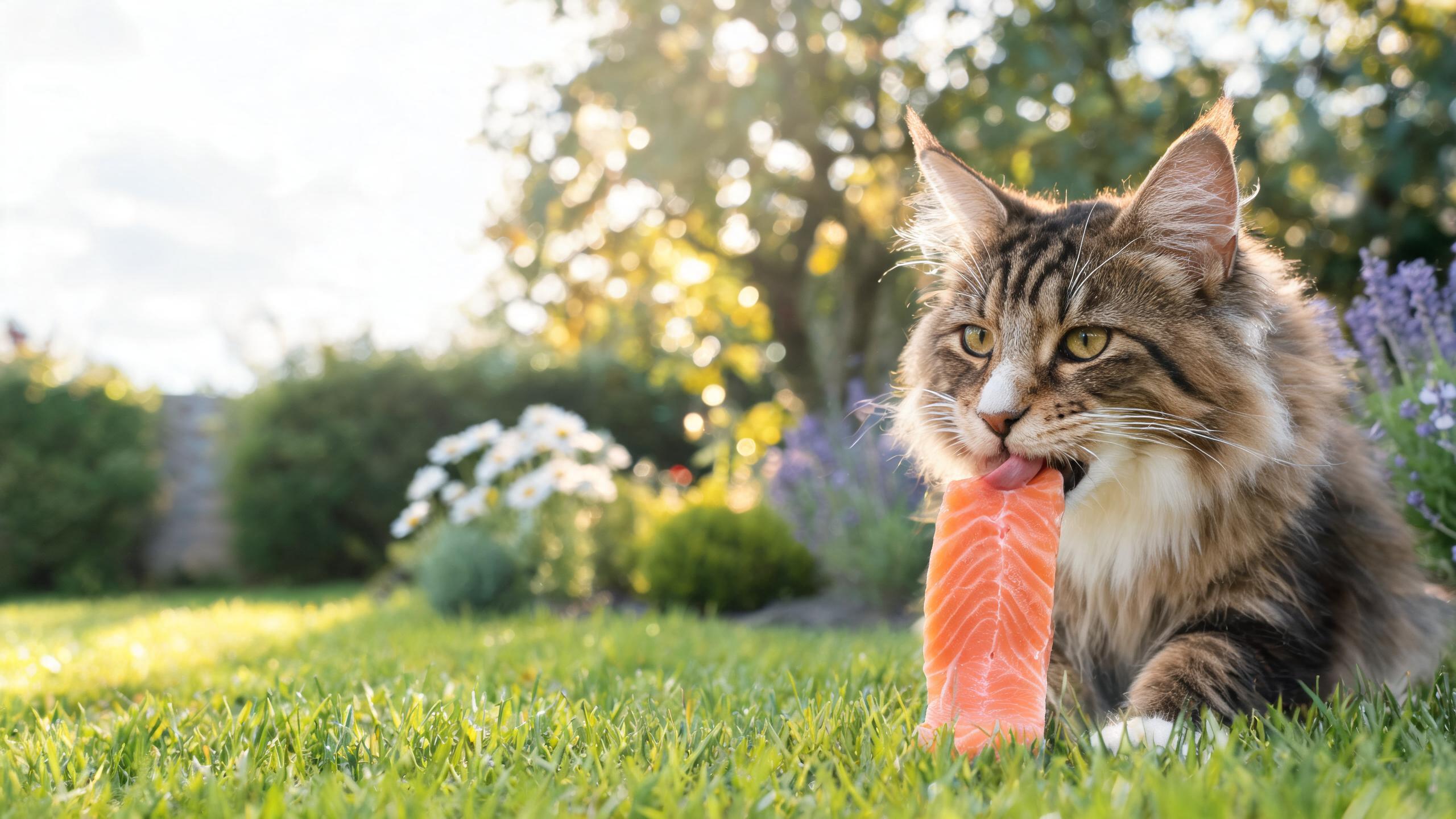
Cats cannot make their own omega-3. Here is what DHA and EPA do for cats, how much they need, and why a clean source matters.
Cats are obligate carnivores with a specific need for omega-3 fatty acids — and like dogs, they cannot produce enough on their own. That makes diet and supplementation the main way to top them up.
What omega-3 does for cats
DHA and EPA provide nutritional support for:
- Skin and coat: a soft coat and calmer, less flaky skin — omega-3's gentle, anti-inflammatory nature is especially helpful for cats prone to dry or itchy skin.
- Joints: support for comfortable movement, which matters more as cats age.
- Heart and general wellness: omega-3 supports normal heart function and is a common part of feline wellness routines.
- Brain and eyes: DHA supports cognitive and visual health, particularly in kittens.
How much omega-3 does a cat need?
Cats generally do best with more DHA than EPA. Because cats are small, dosing is modest and weight-based — follow the feeding guide on your chosen product, and start low (half a dose every other day) for sensitive cats, building up over one to two weeks.
Choosing a cat-appropriate omega-3
Use a product formulated for cats and dogs rather than a human supplement, and choose a clean, low-odour oil — it is far easier to get past a fussy feline. PetJesty's algae-based omega-3 is suitable for both cats and dogs, mercury-free, and has no fishy smell, which tends to go down better at the food bowl.
If your cat has a health condition or takes medication, talk to your vet before adding any supplement.