Practical Tips for Helping Your Dog Adjust to New Home Environments in the UK
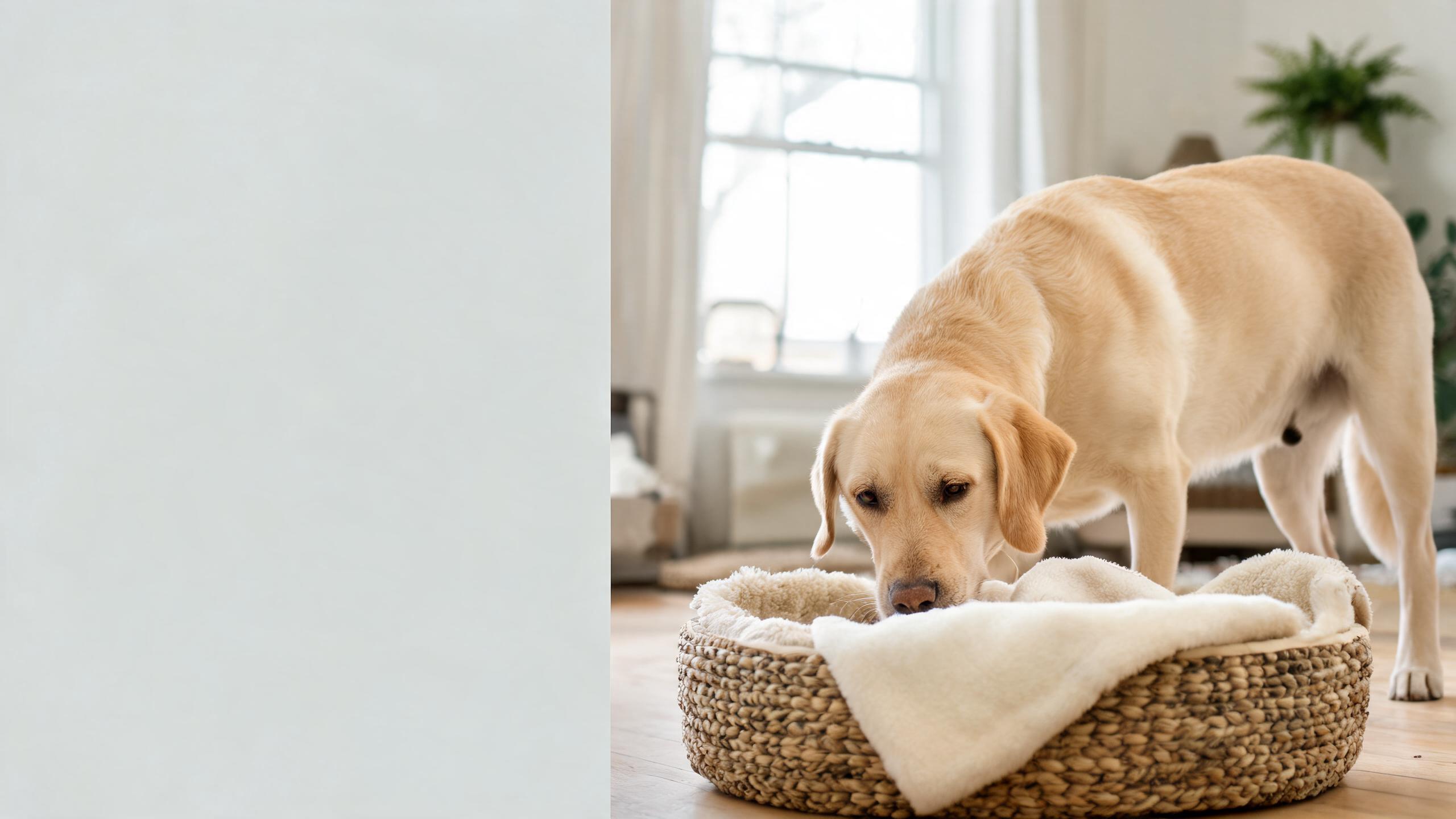
Learn calm strategies to support your dog when moving to a new house or flat across the UK.
Creating Familiarity from Day One
Moving disrupts routines, so bringing familiar items helps. Your dog's own bed and toys provide immediate comfort.
- Place the bed in a quiet corner first.
- Keep favourite blankets unwashed initially.
- Introduce one room at a time.
Establishing New Walking Routes Gradually
Start with short walks around the immediate area. This builds confidence without overwhelm.
Helpful steps:
- Walk at similar times to old routines.
- Carry treats for positive reinforcement.
- Allow sniffing breaks to explore scents.
Speak to your vet if your dog shows prolonged signs of stress after a move.
Setting Up Safe Spaces
Designate a quiet zone where your dog can retreat. A covered crate or behind a baby gate works well in many homes.
- Add a familiar blanket inside.
- Keep the area free of loud noises.
- Allow access at all times.
Maintaining Daily Routines
Feed and exercise at consistent times where possible. Predictability reduces anxiety.
Key elements to preserve:
- Morning and evening meal times.
- Short play sessions.
- Evening wind-down ritual.
Monitoring Progress Over the First Weeks
Most dogs settle within two to four weeks. Note improvements in appetite and sleep.
Balanced nutrition may help support overall wellbeing during transition periods. Many owners include plant-based supplements as part of daily care.
When Extra Support Helps
If adjustment takes longer than expected, consult a behaviourist recommended by your vet. Patience remains the most valuable tool.
With steady routines and familiar comforts, your dog can feel at home in the new environment.