Puppy Care 6-9 Months
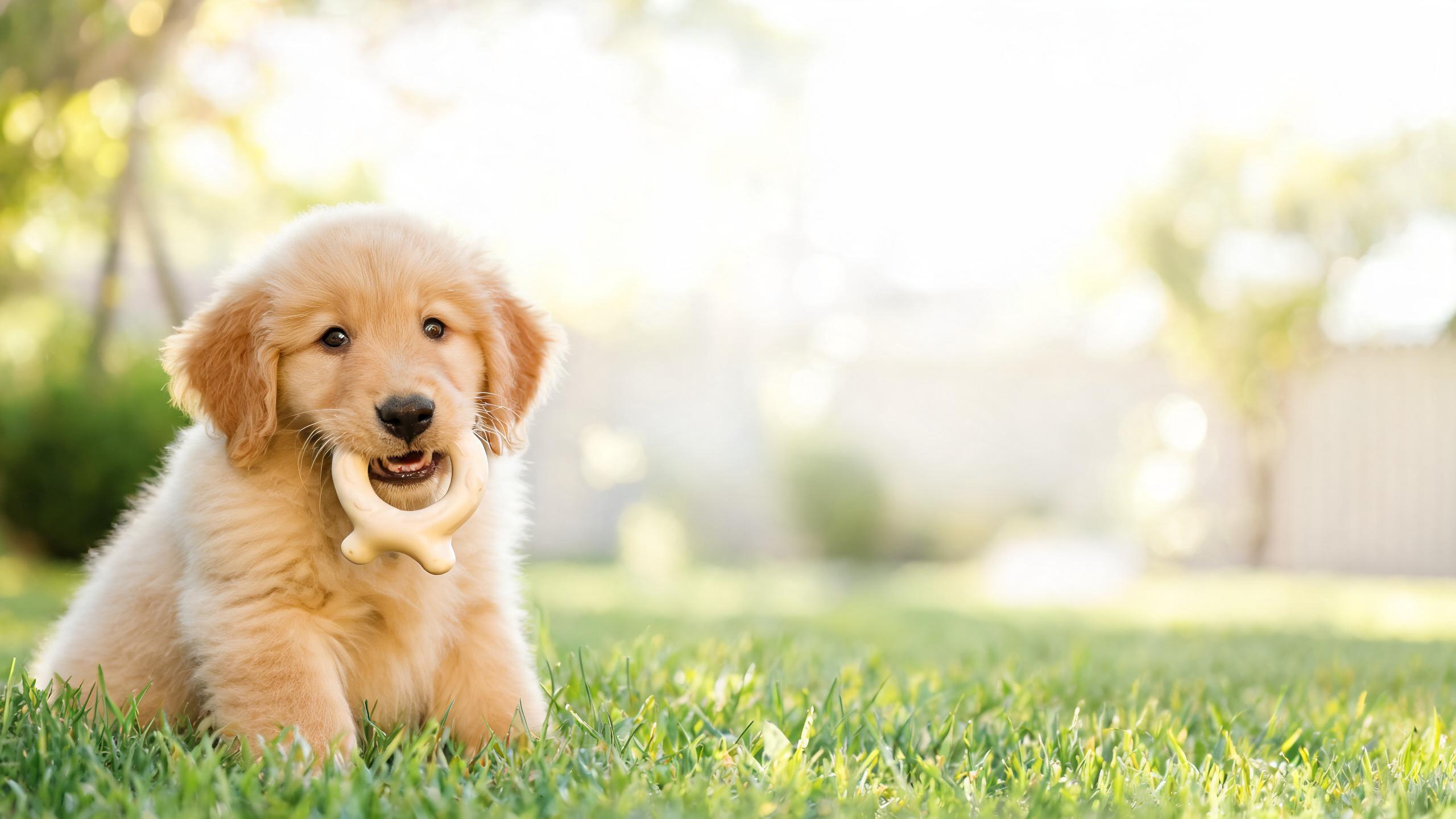
Your puppy's hitting the teen phase at 6-9 months—rapid growth, wild energy, and behavior shifts. Get tips on feeding, training, health, and more for smooth sailing ahead.
Picture this: your once-cuddly fluffball is now zooming around the house like a caffeinated rocket, maybe even eyeing your favorite slippers with mischief. That's your puppy at 6-9 months—right in the thick of their awkward adolescent stage. I've chatted with so many owners who feel blindsided by this shift, but honestly, knowing what to expect makes all the difference.
Quick Takeaways
- Rapid growth continues, but check for retained baby teeth and plan spay/neuter.
- Behavior gets feisty—more chewing, testing boundaries, needs extra exercise.
- Switch to two meals a day of growth-formulated food; chat with your vet on specifics.
- Vaccinations wrap up by six months; start monthly heartworm and flea preventives.
- Double down on training: recall, impulse control, and plenty of playtime.
Physical Changes Hitting Fast
Puppies this age are still packing on the pounds and inches. Most hit their full set of adult teeth by now—42 in total for dogs. But sometimes a stubborn baby tooth hangs on, looking like a tiny extra next to the big one. Spot that? Get to the vet pronto for removal; it prevents crowding and pain down the line.
And here's the thing: this is prime time for spaying or neutering. Not gonna lie, I think waiting too long is a mistake. A report from the Journal of the American Veterinary Medical Association backs it up—spaying females before their first heat slashes mammary tumor risk by over 99%. For males, neutering nixes testicular cancer odds and cuts prostate issues. Plus, it dials back roaming urges and aggression as hormones kick in. Talk timeline with your vet, especially for larger breeds who mature slower.
Growth spurts mean they're lanky and clumsy. Large breeds might top 50-60 pounds already, while small ones hover around 10-15. Keep an eye on joints—over-exercise can strain developing hips.
Want to support your pet's skin, coat, and joints naturally? Try PetJesty's Vegan Omega Oil — 100% plant-based, developed with vets.
That Teenage Puppy Attitude
Ever wondered why your obedient pup suddenly ignores "sit"? Welcome to sexual maturity around 6-9 months. Their personality sharpens, and they start pushing buttons. Chewing spikes—shoes, couches, you name it—because boredom hits hard during this hyper-active phase.
Unspayed or unneutered? They'll fixate on other dogs, tuning you out. Fixed pups stay human-focused but get rowdy. Playful mouthing turns serious with those adult chompers, so teach drop it games early. Toss a toy, say "drop," reward with treats. Builds impulse control fast.
I've seen owners swear by puzzle toys here. Stuff a Kong with peanut butter, freeze it—hours of entertainment. But supervision's key; they're pros at finding trouble.
> Puppies at this age burn energy like tiny athletes—channel it right, or regret the shredded pillows.
Feeding Tweaks for Growing Teens
Stick with puppy food formulated for growth—higher protein and calories fuel those bones and muscles. By 6 months, drop from three meals to two a day. Pups this age eat about 2-3 cups daily, split evenly, but adjust for breed size. A 20-pound medium breed needs roughly 800-1000 calories; giants like Labs push 1500+.
Chat with your vet on breed quirks—some giants stay on puppy chow till 18 months. Add flea/tick and heartworm preventives monthly now; mosquitoes and parasites love this season.
If skin looks dull or coat's shedding weirdly, consider a quality omega supplement. PetJesty's Vegan Omega 3, 6 & 9 Algae Oil fits right in—plant-based, no fishy burps, supports that shiny coat through growth spurts.
Portion and Treat Smarts
- Weigh food daily—overfeeding leads to pudgy pups.
- Treats? No more than 10% of calories.
- Fresh water always; growth means thirstier days.
Health Must-Dos at Six Months
By now, vaccinations should be done: core shots at 8, 12, 16 weeks cover distemper, parvovirus, rabies. Booster time? Vet will say.
Spay/neuter between 4-9 months maximizes benefits. Females especially—before first heat keeps cancer risks tiny.
Dental care ramps up. Those new teeth need brushing daily. Start slow: finger brush with enzymatic toothpaste, reward heavily. Pups hate it first, but pair with play and they'll tolerate.
Nail trims too—handle paws often so they chill during clips. And baseline bloodwork? Smart for early detection.
But wait, exercise balance. Daily walks: 30-45 minutes, plus fetch. Too little? Pent-up energy explodes indoors.
Training to Keep the Peace
Adolescence tests obedience, so reinforce basics relentlessly. Recall is non-negotiable—practice in low-distraction spots, then level up. "Come!" + jackpot treat every time.
Teach "no" firmly but kindly. Impulse control: hold treat, say "wait," release on cue.
Obedience class? Enroll now. And crate train if not already—gives them a chill zone amid chaos.
Here's a personal story: my neighbor's Lab mix, Milo, hit 7 months and turned the house upside down. We upped hikes to an hour, added training sessions. By 10 months, he was a dream. Consistency wins.
Puppy-proof still matters. Better bladder control means fewer accidents, but more independence equals more mischief. Rules like "off furniture" stick if enforced young.
Exercise Ideas That Work
- Fetch in the yard—tires mentally too.
- Scent games: hide treats, let them hunt.
- Short agility drills: tunnels, jumps (low height).
They sleep less now, 14-16 hours vs. 18-20 before. Match that with structure.
Wrapping Up the Puppy Teen Years
And just like that, your wild teen pup edges toward adulthood. Larger breeds stretch this phase to 12-18 months, small ones wrap quicker. Nail these months, and you'll have a balanced adult dog.
We've got your back at Royal Pet with PetJesty supplements tailored for these growth stages—think joint support or omegas to ease the transition. Drop a comment if your pup's hitting these milestones—what's been your biggest win?
Stay pawsitive, Fiona