Puppy Vaccinations: A UK Owner's Guide to the First Year
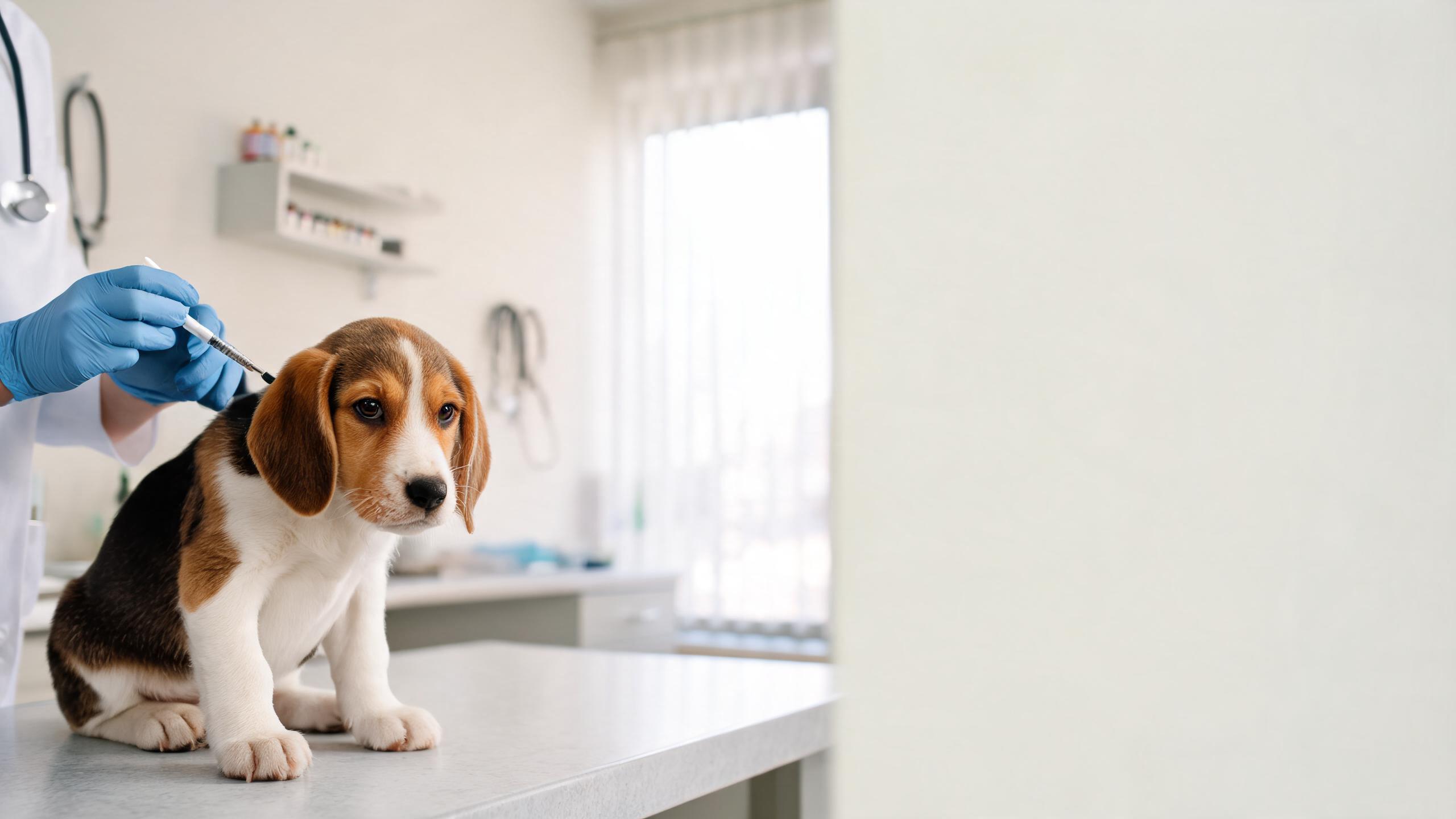
When should your puppy be vaccinated, against what, and when can they safely meet the world? A clear UK guide to your puppy's first-year jabs.
Bringing home a new puppy is pure joy — and a long list of questions, with vaccinations near the top. They protect your puppy from some genuinely dangerous diseases, and they shape when your puppy can safely start exploring. Here is how it works in the UK. As always, your own vet sets the exact plan for your puppy.
Why vaccinations matter
Puppies are born with some protection from their mother, but it fades within weeks — leaving a window where they are vulnerable to serious, sometimes fatal, infectious diseases. Vaccinations bridge that gap by teaching the immune system to recognise and fight specific diseases before your puppy ever meets them. Some of these illnesses, like parvovirus, are still very much around and can be deadly in young dogs.
The core UK vaccines
In the UK, puppies are routinely vaccinated against a core group of diseases:
- Canine distemper
- Canine infectious hepatitis (adenovirus)
- Canine parvovirus
- Leptospirosis
Depending on your puppy's lifestyle, your vet may also recommend:
- Kennel cough, often advised before daycare, boarding or classes.
- Rabies, required if you plan to travel abroad with your dog.
The typical schedule
Most UK puppies follow a pattern along these lines, though your vet will confirm the specifics:
- First vaccination at around eight weeks of age.
- Second vaccination two to four weeks later, often around ten to twelve weeks.
- Booster at around a year, then regular boosters through adulthood to keep immunity topped up.
Keep your vaccination record safe — boarding kennels, daycare and classes will usually want to see it.
When can my puppy go out?
This is the question every new owner asks. Until your puppy has finished their initial course and your vet gives the all-clear (usually a week or two after the second jab), they should not walk in public places or meet unvaccinated dogs, because of the disease risk. But socialisation is hugely important in these early weeks, so in the meantime you can safely carry your puppy to see the world, invite healthy vaccinated dogs to your home, and host gentle visitors. Ask your vet when it is safe to hit the pavement properly.
Supporting a growing puppy
Vaccinations are one pillar of a healthy start; nutrition is another. Growing puppies have big developmental needs, and DHA — an omega-3 fatty acid — supports healthy brain and eye development in particular, which is why it features in quality puppy diets. Good food, the right vaccinations, parasite prevention and plenty of positive early experiences set a puppy up for life.
To support your puppy's brain, eye and overall development alongside their veterinary care, PetJesty's Vegan Omega 3, 6 and 9 Algae Oil provides clean, mercury-free DHA and is suitable for all life stages. For your puppy's vaccination schedule and when they can safely go out, your vet is always the right person to ask.