Rat Poison Risks for Dogs in Winter
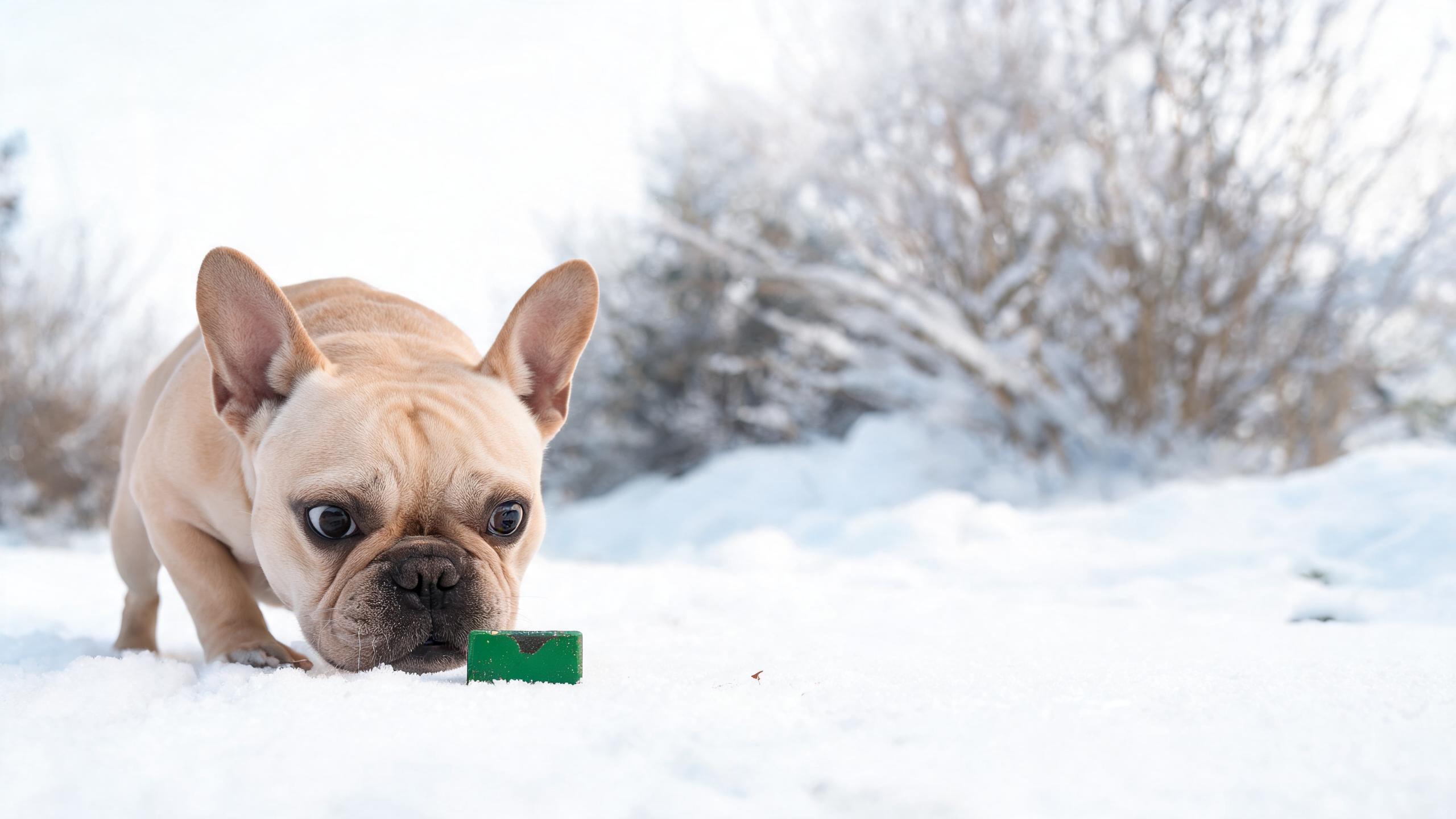
Winter brings sneaky rat poison dangers for dogs. Learn how these toxins work, spot symptoms fast, and keep your pup safe from rodenticides this cold season.
Picture this: it's a chilly evening, your dog's sniffing around the garage, and unbeknownst to you, a neighbor's rat bait is tucked away nearby. One curious nibble later, and you're racing to the vet. Happens more often than you'd guess in winter—rodents invade homes, people lay out poisons, and dogs get into trouble.
I've chatted with so many owners who've been through this scare. It's heartbreaking, but preventable.
Quick Takeaways
- Winter rodent surges mean more rodenticides around, upping risks for nosy dogs.
- Anticoagulants cause bleeding; watch for lethargy, pale gums, bloody stool.
- Bromethalin hits the brain fast—seizures, tremors signal big trouble.
- Act quick: Induce vomiting early, but leave it to pros; vitamin K1 reverses some poisons.
- Prevent first: Use locked bait stations, scout your yard, store poisons high.
Why Rodenticides Spike in Cold Months
Rats and mice hate the cold as much as we do. They bolt indoors for warmth and crumbs, turning your home or shed into their winter pad. Homeowners panic and grab rodenticides—those colorful pellets or blocks that smell like peanut butter to a dog.
And here's the kicker: dogs don't just eat the bait. They snag poisoned rodents too, getting a double dose. A 2018 study in the Journal of the American Veterinary Medical Association pegged rodenticides behind over 70% of pet poisonings that season. Sound familiar? If you've got a hound who hoovers everything, this hits close.
But not all poisons act the same. Let's break down the big ones your dog might encounter.
Anticoagulants: The Slow Bleeders
These classics mess with vitamin K, stopping blood from clotting. Your dog bleeds internally over days—think bruising organs, bloody poop.
Bromethalin: Brain Swellers
Nasty stuff. It blocks cells from using oxygen, swells the brain. Symptoms hit in hours: wobbling, seizures, coma. No antidote, just support.
Cholecalciferol (Vitamin D Overload)
Tiny pellets pack a punch, spiking blood calcium till kidneys fail. Vomiting, thirst, weakness—deadly even in small bites.
Others like zinc or phosphides wreck guts or nerves. Point is, they're all bad news.
Want to support your pet's skin, coat, and joints naturally? Try PetJesty's Vegan Omega Oil — 100% plant-based, developed with vets.
Spotting Trouble Before It's Too Late
Early signs save lives. With anticoagulants, your dog might just seem off: mopey, skipping meals, heavy breathing. Check gums—pale or bloody? Nosebleeds or orange urine scream poison.
Bromethalin? And suddenly, they're staggering like drunks, shaking, puking. By coma stage, odds drop.
Cholecalciferol brings mega-thirst, constant peeing, zero appetite. Here's the thing: symptoms vary by dose, dog size, timing. Small pup + big bite = fast crash.
> "If your dog acts weird after yard time, grab the poison packaging and run to the vet—don't wait for 'proof'."
I've seen owners brush off lethargy as "just cold weather blues." Not gonna lie, that delays treatment and ups the bill.
Vet Treatment: Racing the Clock
Suspect poisoning? Phone your vet now. Bring the bait package—they need the exact toxin.
Diagnosis mixes history, bloodwork, x-rays. But speed trumps tests.
For anticoagulants, best shot: induce vomiting if under 2 hours, pump the stomach, dose activated charcoal. Then vitamin K1 for weeks—reverses it if caught soon. Transfusions for bad bleeds.
Bromethalin? Tougher. Flush the gut fast, charcoal binds leftovers. Hospital stay, brain swelling meds. Prognosis? Guarded—many pull through uneven.
Cholecalciferol demands ICU: IV fluids, diuretics, calcium checks. Weeks of care, but survival's iffy.
Your vet tailors based on reaction. Supportive stuff like anti-nausea helps too. Opinion time: I say skip DIY deworming myths; pros only.
And look, a University of California Davis vet toxicology report notes 80% of early-treated anticoagulant cases recover fully. Delay that, and it's dicey.
Keeping Poisons Away from Your Dog
Prevention beats cure every time. You've got rodents? Smart steps keep dogs safe.
- Tamper-proof stations: Bait inside locked boxes rats enter, dogs can't. Worth the extra bucks.
- Place smart: Garages, sheds, away from dog paths. Elevate or bury.
- Store locked: Cabinets, not counters. Kids and pets raid high spots.
- Read labels: Warnings on timing, amounts save headaches.
- Alternatives: Snap traps, seal gaps. Less risk.
Scout neighbors' yards too—poisons drift. Walk your dog leashed in dicey areas.
One more: keep your pup's health solid overall. Strong dogs bounce back better. That's where something like PetJesty's supplements shines quietly in the background, supporting resilience without fanfare.
But honestly, the real win? Vigilance plus these habits. No winter scares needed.
We've all got enough on plates without ER runs. Chat with your vet yearly about local risks—they know neighborhood rodent woes.
There you have it, friend—arm yourself with this, and your dog's winter stays poison-free. Stay cozy out there. That's what we're chasing here at Royal Pet.