Recognising Normal Breathing Patterns in Your Dog
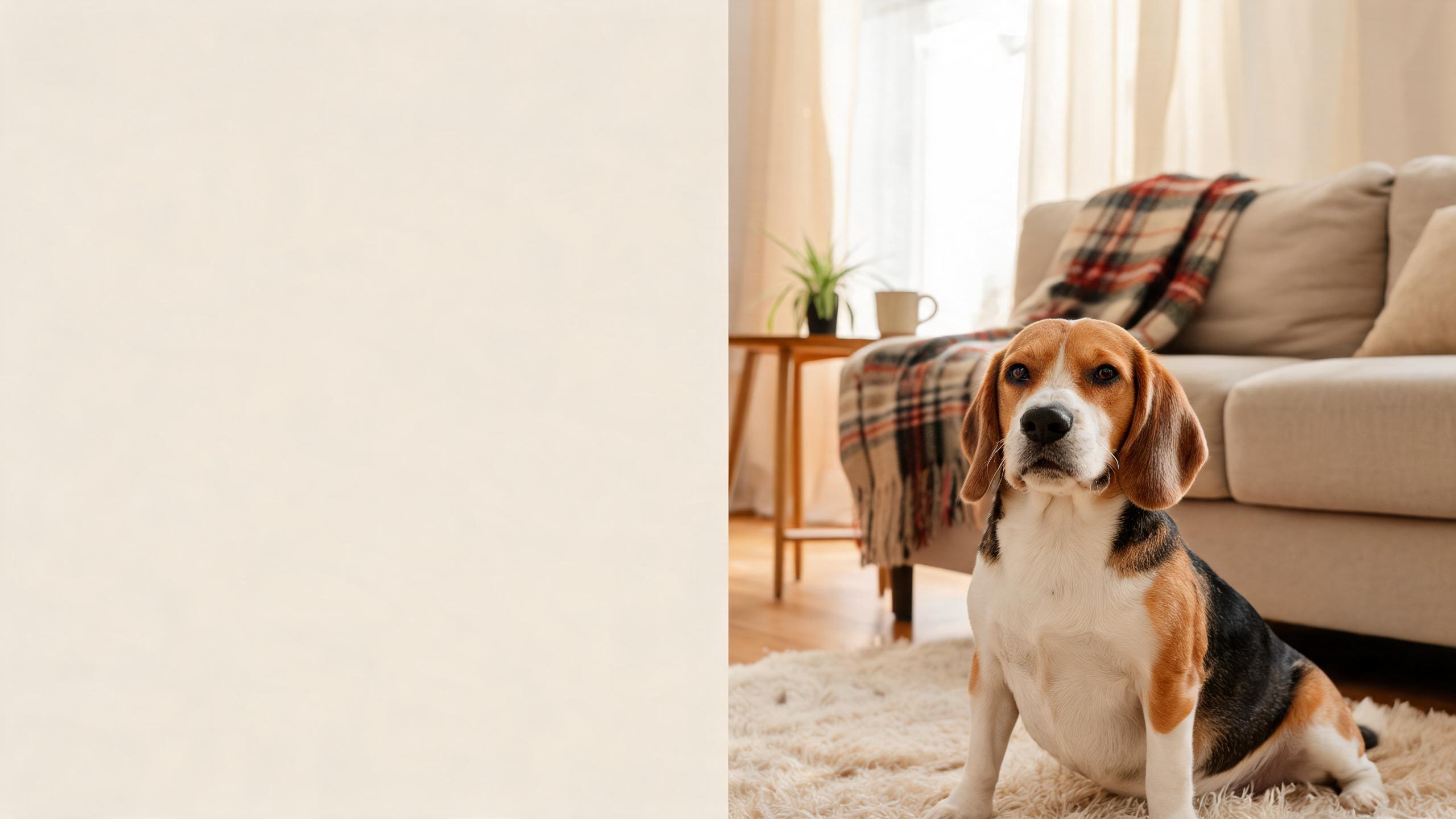
Understand what healthy breathing looks like in dogs and learn simple ways to monitor your dog's respiratory comfort at home.
Understanding Typical Breathing at Rest
A relaxed dog usually takes between ten and thirty breaths per minute while resting. Count the rise and fall of the chest for fifteen seconds and multiply by four to get an approximate rate. This simple check can become part of your regular home observations.
Factors That Influence Breathing Rate
Exercise, excitement and warm weather naturally increase breathing speed. Panting after play is normal, but excessive panting when at rest may warrant attention. Keep a note of any patterns that seem unusual for your individual dog.
Creating a Comfortable Environment
Ensure good ventilation in your home, especially during warmer months. Provide access to fresh water and shaded resting spots. Avoid leaving your dog in hot cars or enclosed spaces without airflow.
When to Contact Your Vet
If breathing appears laboured, noisy or accompanied by coughing, seek veterinary advice. Early conversations with your vet can help clarify whether further checks are needed.
Nutritional Support for Overall Vitality
A diet that supplies balanced nutrients may help support general wellbeing. Including algae-based omega oils offers plant-derived fatty acids that contribute to daily nutritional needs. Always discuss supplement choices with your vet.