Recognising Signs of Balanced Digestion in Your Dog Through Daily Observations
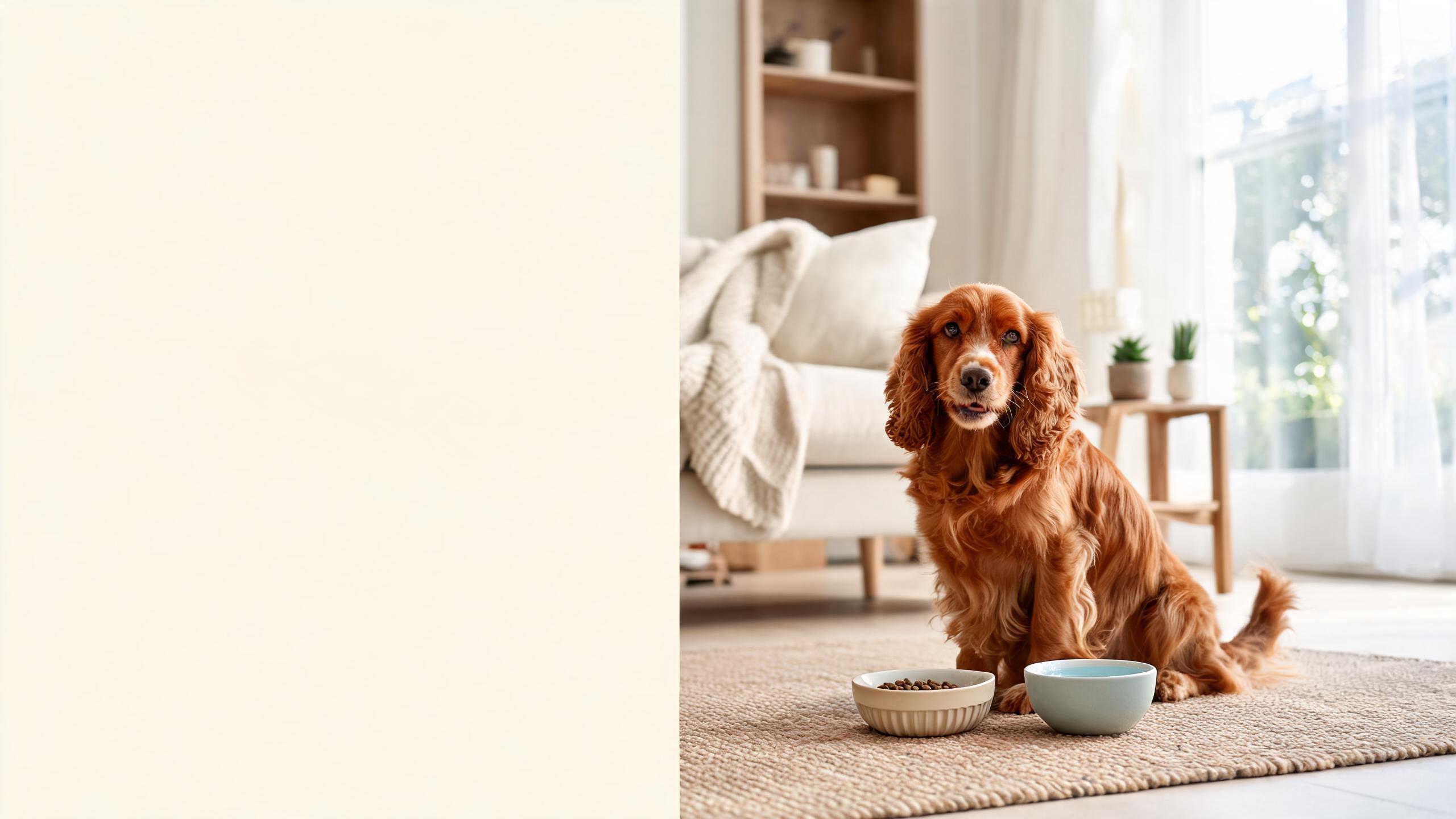
Learn how to spot everyday signs that your dog's digestion is functioning well, with practical UK home tips and when to consult your vet.
Understanding Normal Digestive Patterns
Observing your dog's daily routines can provide helpful insights into their overall wellbeing. Paying attention to appetite, stool consistency and energy after meals offers a simple way to monitor changes over time.
- Look for regular interest in food without sudden refusals.
- Note the appearance of faeces, aiming for firm, well-formed stools.
- Watch for steady energy levels rather than sudden lethargy after eating.
Common Factors That May Influence Digestion
Seasonal changes in the UK, such as wetter months or temperature shifts, sometimes affect how dogs process meals. Offering consistent portion sizes and feeding at similar times each day may help support steady habits.
- Include a variety of safe plant-based ingredients where appropriate.
- Ensure fresh water is always available.
- Avoid sudden switches in food without a gradual transition.
Speak to your vet about any concerns regarding your dog's digestion or diet.
Practical Home Checks
Simple daily notes can be useful. Jot down meal times, stool quality and any unusual behaviours in a small notebook or phone app.
- Check for signs of discomfort like excessive licking or restlessness after meals.
- Observe if your dog seems comfortable resting shortly after eating.
- Monitor weight trends with regular weigh-ins at home.
Building Supportive Mealtime Habits
Creating calm feeding areas away from household traffic may encourage relaxed eating. Using puzzle-style bowls occasionally can turn mealtimes into gentle enrichment without overwhelming your dog.
- Choose feeding spots that feel secure.
- Consider dividing meals into smaller portions if your dog prefers.
- Introduce new foods slowly over several days.
When to Seek Professional Advice
If you notice ongoing changes in appetite, stool quality or energy, it is always best to arrange a check-up. Early conversations with your vet help tailor advice to your individual dog.