Safely Meeting Strange Dogs on Walks
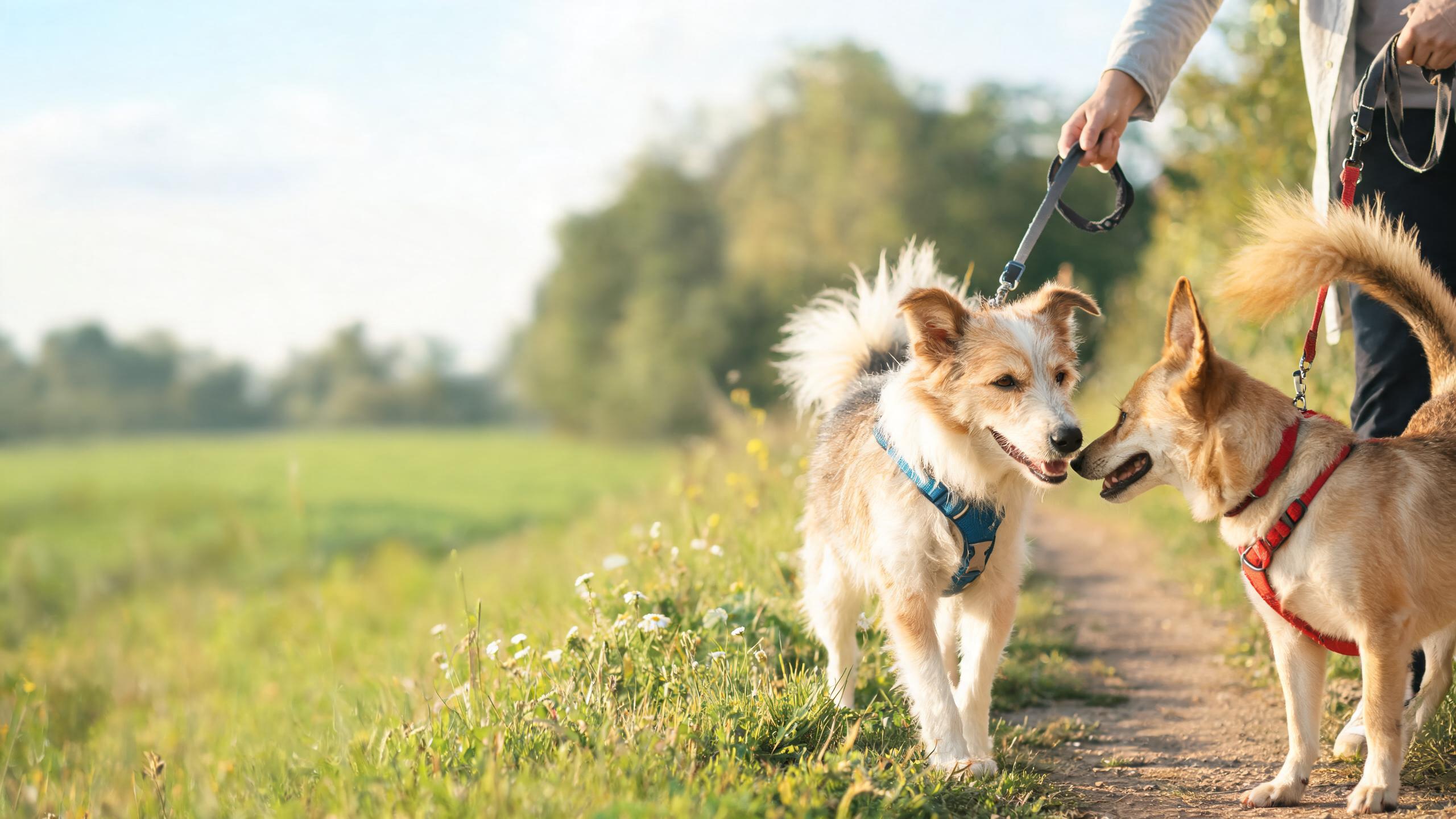
Worried about your dog freaking out around unfamiliar pups? Learn simple ways to handle greetings, read body language, and keep walks stress-free for everyone involved.
Picture this: You're strolling through the neighborhood with your dog, enjoying the fresh air, when out of nowhere another leashed pup appears, tails wagging wildly. Hearts race, leashes tangle – sound familiar? Those split-second encounters with strange dogs can turn a peaceful walk into chaos if you're not prepared.
I've chatted with countless owners who've dealt with this, and honestly, a little prep goes a long way. Early training sets the tone, especially for puppies. Get it right from the start, and you'll both relax more on those daily outings.
Quick Takeaways
- Stay loose and confident – your tension transfers straight to your dog.
- Always ask permission before letting dogs sniff; respect a 'no' every time.
- Practice controlled meet-and-greets at dog parks or with friends first.
- Watch for stiff postures or bared teeth to spot trouble early.
- Praise good behavior with treats to build positive habits fast.
Why Your Vibe Sets the Stage
Your dog picks up on everything you do. Tense up, yank the leash, and bam – they've got a reason to worry too. A study from the University of Bristol in 2017 showed dogs mirror their owners' stress levels during encounters, spiking cortisol by up to 30% if you're on edge.
Keep it casual. Walk at your normal pace, breathe steady. If another dog approaches and you don't want the interaction – maybe your pup's having an off day – just pivot. Shorten the leash a bit, but don't jerk it. Head the other way smoothly, and your dog will follow without a fuss.
No escape route? Create space. Put a good 6 feet between you if possible. Toss in a quick "sit" or "look at me" command with a treat. Once you're past, heap on the praise. "Good boy!" and a tasty reward seals the deal.
But here's the thing: I've seen dogs transform from reactive messes to chill walkers just by owners staying calm. One client of mine, Sarah, had a border collie that barked at everything feathered or furry. We practiced this for two weeks, and now they breeze by squirrels without a glance.
Want to support your pet's skin, coat, and joints naturally? Try PetJesty's Vegan Omega Oil — 100% plant-based, developed with vets.
Spotting When to Say No
Not every dog wants to play diplomat. Sometimes you just know – that other pup's hackles are up, or the owner looks sketchy. Leash stays on, always. It's your best tool for control.
Red Flags from the Other Side
Ever noticed how some dogs freeze, ears pinned back? That's fear talking. Or forward ears with a stiff tail – aggression brewing. Steer clear. No staring either; dogs read direct eye contact as a threat.
Owners matter too. If they're yanking their dog or yelling, that's a nope. Politely change course. And look, not gonna lie, I've said no more times than I can count. Your dog's safety trumps being polite every time.
> "The best greetings are the ones that never happen if the vibes are off. Trust your gut – it's kept dogs alive for thousands of years."
Controlled Meet-and-Greets: The Smart Way
Don't wing it with random strangers. Set up playdates instead. Grab a buddy with a well-behaved dog, or hit a dog park where folks expect interactions.
Start slow. Both dogs on leash, about 10 feet apart. Let 'em check each other out visually first. Tails loose and wagging low? Green light. Have yours sit, then allow a quick sniff – butts first, of course.
Keep it to 10-15 seconds max. No mounting, no growling? Jackpot. Praise lavishly, then disengage. Practice this 3-4 times a week, and your dog learns greetings are no big deal.
On spontaneous walks, gauge interest first. Both dogs leaning in, soft eyes? Ask the owner: "Mind if they say hi?" If yes, same rules. If no – or any hesitation – smile and keep moving. Reasons vary: maybe their dog's fresh from surgery or just not social. No hard feelings.
And yeah, I get opinionated here: Puppy socialization classes beat random park romps hands down. Enroll before 16 weeks; data from Tufts University's Cummings School of Veterinary Medicine backs it – properly socialized pups show 50% fewer aggression issues as adults.
Reading Body Language Like a Pro
Dogs don't need words. It's all in the posture.
Friendly signs: Loose body, playful bow (front down, butt up), slow tail wag from the side. Eyes soft, mouth relaxed.
Trouble brewing:
- Stiff freeze, weight shifted forward.
- Lips curled, teeth visible.
- Yawning or lip-licking (stress signals).
- Whale eye (whites showing).
Watch yours too. Panting hard on a cool day? Tense jaw? Time to bail.
Practice at home with videos if needed. I've got a playlist I share with new pup owners – spot the signals in under a minute.
One longer thought here: You know those walks where everything clicks, dogs glance but keep trotting along like pros? That's the goal, and it comes from layering these reads over time, mixing in distractions like toys or commands until encounters feel routine, almost boring, which is perfect because boring means safe and predictable for your pack.
Everyday Walk Hacks for Smooth Sailing
Build habits early. Puppies? Expose them to 100 new dogs by 12 weeks – controlled, positive only. Use treats like clockwork.
Gear up right. A front-clip harness cuts pulling by 70%, per a Journal of Veterinary Behavior report. Shorten leash for control, lengthen for calm zones.
Distraction training shines. Teach "leave it" with high-value goodies. On approach, cue it, reward big. Works wonders.
Dog parks? Go off-peak. Fewer dogs mean better control. And always supervise – step in at the first stiff tail flick.
If issues persist, a trainer helps. But most folks nail this with consistency. Reward calm 9 out of 10 times, and reactivity fades.
PetJesty's supplements can support too – a dash of omega oils keeps skin calm and nerves steady during stressful meets. Nothing beats a happy, balanced pup.
Walks should recharge you both, not drain. Nail these tips, and you'll handle strange dogs like old pros. Safe sniffing out there!
That's us at Royal Pet – helping you and your dog thrive, one confident step at a time.