Salmonellosis in Cats: Risks and Prevention
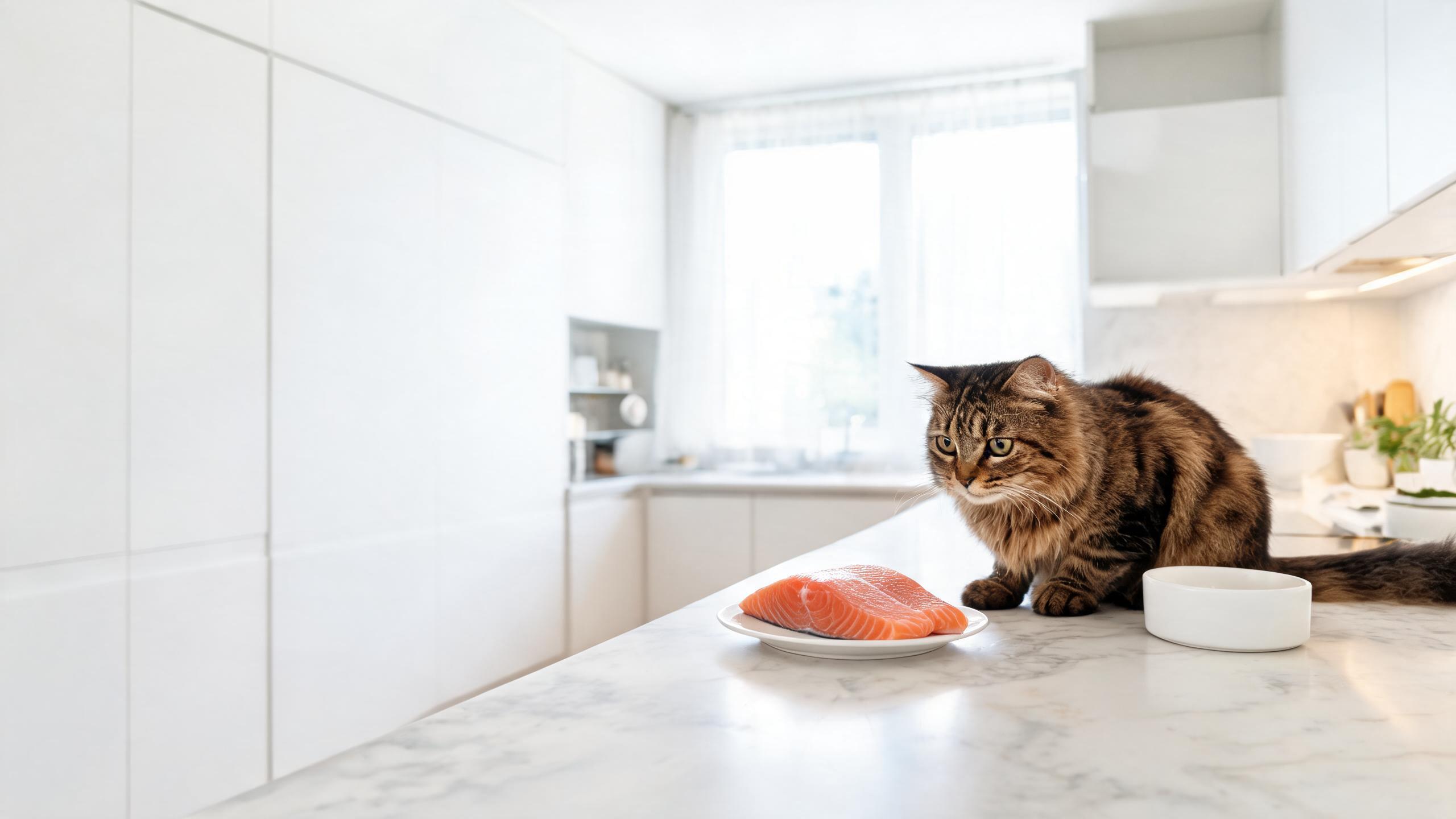
Worried about salmonellosis in cats? Learn the hidden risks, symptoms, and smart prevention tips to keep your cat and family safe from this sneaky bacterial threat.
Your cat's chasing a bird in the yard, comes inside all proud with feathers in her mouth. Cute, right? But that innocent hunt could bring home salmonella – a bacteria lurking in wild animals that hits cats hard and can even jump to you.
Quick Takeaways
- Most cats carry salmonella without symptoms, shedding it in stool and spreading it silently.
- Zoonotic risk is real: Humans and other pets catch it from contaminated surfaces or direct contact.
- Prevention beats cure: Skip raw diets, clean litter boxes with bleach, and quarantine sick cats.
- Young kittens and seniors face higher odds due to weaker defenses.
- Supportive care works best – antibiotics only for severe cases.
What Exactly Is Salmonellosis in Cats?
Salmonella bacteria love hanging out in cat intestines. There are about 2,500 known types, according to research from the Journal of Clinical Microbiology. Many cats harbor it without a peep – no fever, no runs, nothing. But they're still contagious.
And here's the kicker: it's zoonotic. That means it bounces between cats, dogs, people. Vets have to report cases to keep tabs on outbreaks. Young kittens or older cats? They're prime targets because their immune systems aren't as tough. Same goes for cats on antibiotics – those drugs wipe out good gut bugs, leaving room for bad ones to party.
I've chatted with owners who never suspected a thing until their kid got sick from petting the cat then forgetting to wash up. Sound familiar?
Want to support your pet's skin, coat, and joints naturally? Try PetJesty's Vegan Omega Oil — 100% plant-based, developed with vets.
How Do Cats Pick It Up – And Spread It?
Cats snag salmonella from infected poop or spit of other animals. Think raw meat diets, hunting rodents or birds, or even licking something contaminated.
From Cat to Human
Even healthy-looking cats leave microscopic bacteria on beds, rugs, counters. You touch it, skip handwashing, and boom – tummy troubles for you. Gardening near strays? Gloves are your friend.
To Other Pets
Same deal. Shared litter boxes, food bowls, or snuggling spreads it fast. One owner I know had her whole multi-pet house in chaos after one cat brought it home from a bird binge.
Risk amps up with stuff like IBD, cancer, or recent antibiotics. Not gonna lie, I think raw feeding trends are risky business – cooked kibble or canned food dodges this bullet nicely.
> "Cats often clear mild cases on their own, but ignoring hygiene turns a quiet carrier into a household hazard."
Spotting Symptoms – Or the Lack Of
Many cats show zip. But when signs hit:
- Diarrhea (sometimes bloody or mucousy)
- Vomiting
- Lethargy and appetite loss
- Fever
- Abdominal pain or swelling
- Dehydration
Chronic cases? Intermittent poops over months, weight drop, maybe extra infections elsewhere.
Septicemia's the nightmare: shock, jaundice, rapid breathing, pale gums. Kittens might abort litters or birth sickly ones.
Ever watched your cat lick her butt obsessively with a funky smell? Could be a clue.
Diagnosis: Not Always Straightforward
Vets start with symptoms, then fecal cultures. One positive isn't enough – repeat tests confirm, especially for silent carriers who shed bacteria sporadically.
Blood cultures for sepsis suspects. Post-treatment? Test again in 3-4 weeks to ensure it's gone.
A University of California Davis study on feline salmonella highlighted how intermittent shedding fools single tests – persistence pays off.
Treatment and Recovery Outlook
Mild diarrhea? Cats often bounce back solo with rest and hydration.
But severe stuff needs vet magic:
- IV fluids first – combats dehydration, stabilizes blood pressure.
- Anti-nausea meds like Cerenia.
- Appetite boosters such as mirtazapine.
- Pain relief with NSAIDs.
Antibiotics? Only for sepsis or shock, since they can make shedding worse. Hospital stays or feeding tubes for the worst cases.
Recovery's good for gut-limited infections. Sepsis? Dicey, with shock risking fatality. Follow-up cultures rule the day, and quarantine until clear.
Here's the thing: strict cleaning – bleach on litter boxes, gloves on hands – slashes spread. And while you're supporting recovery, a quality supplement like those from Royal Pet can help rebuild gut health without the raw risks.
But let's get real for a second. I get the appeal of 'natural' diets, yet seeing cats suffer from preventable bugs like this? It pushes me to stress balanced, safe nutrition every time.
That one time a friend's senior cat went downhill fast after some backyard hunting... we caught it early with prompt vet care, but it was a wake-up call on hygiene. Fluids, meds, isolation – she pulled through, feistier than ever after a month.
Prevention: Your Best Defense
Skip raw meats – they're loaded with salmonella from farms or wild sources. Cooked commercial foods? Safer bet.
- Daily litter scoops, bleach weekly (1:32 dilution).
- Handwashing after cat contact.
- Quarantine new or sick cats.
- No sharing bowls with dogs.
Outdoor hunters? Extra vigilance. Indoor cats dodge most exposures.
PetJesty from Royal Pet offers gut-supporting options that fit seamlessly into prevention – think probiotics to crowd out baddies naturally.
And start sentences with 'and' sometimes, like this: keep multi-pet homes spotless, because one carrier infects all.
Wrapping this up over our imaginary coffee, stay proactive. Your cat's gut bugs don't have to become your problem.
That's us at Royal Pet – helping you keep tails wagging and homes healthy with straightforward pet health know-how.