Senior Dog Nutrition: What to Feed an Older Dog
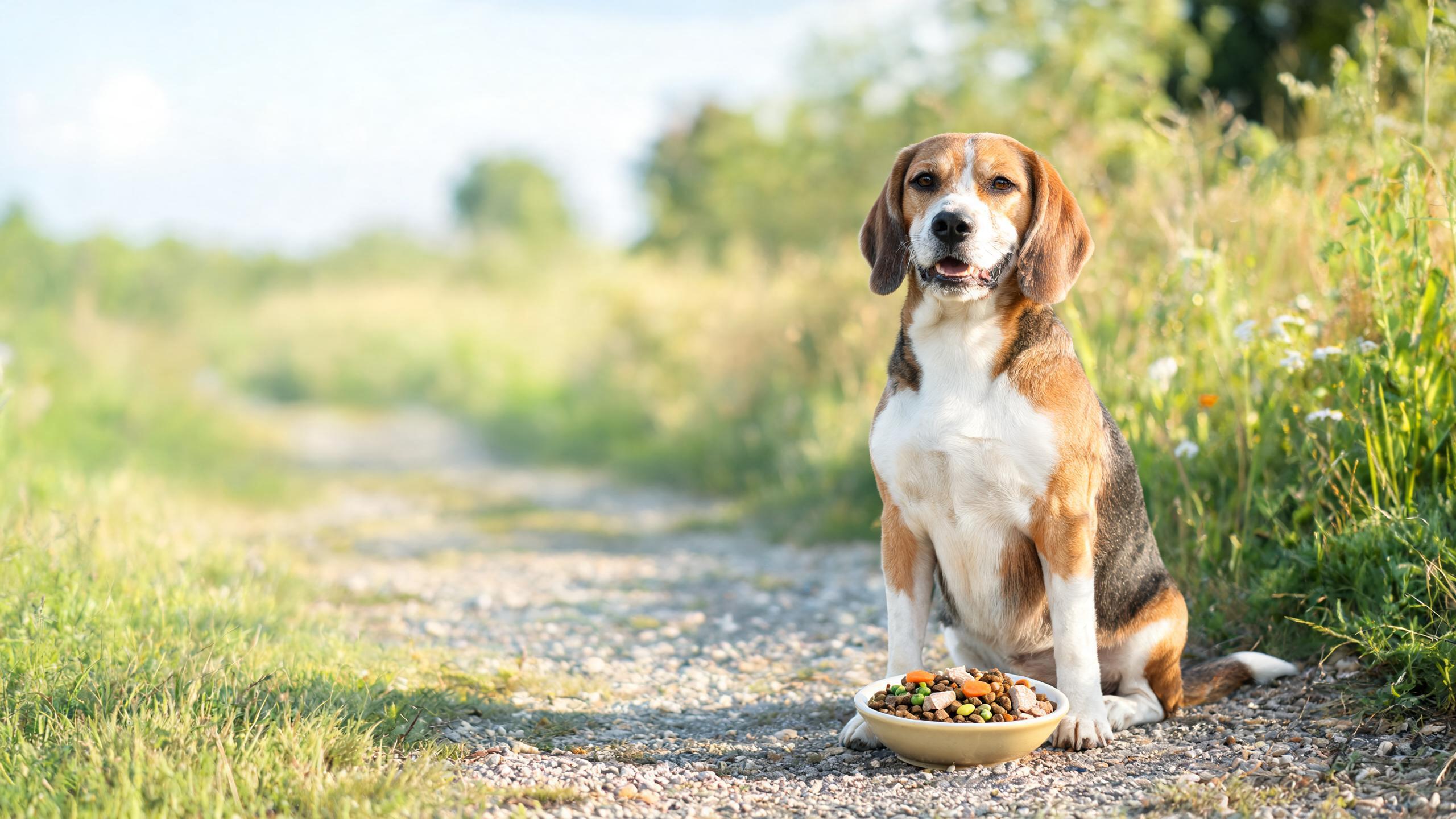
As dogs age, their nutritional needs change. Here is how to adjust your senior dog's diet to support healthy weight, joints, brain and coat into their golden years.
The moment your dog starts to grey around the muzzle and snooze a little longer in the mornings, their body is quietly changing — and so are their dietary needs. Feeding an older dog well is one of the kindest, most effective things you can do to keep them comfortable and bright for as long as possible.
When is a dog "senior"?
It varies by size. Small breeds are often considered senior from around 10 to 12 years, medium breeds from about 8 to 10, and large or giant breeds as early as 6 to 7. But age is just a number — what matters is the individual dog. Some seven-year-old Labradors are slowing down while some twelve-year-old terriers are still tearing about. Watch the dog, not just the calendar.
What changes with age
Several shifts tend to happen together:
- Metabolism slows and activity drops, so many older dogs need fewer calories — but not fewer nutrients.
- Muscle mass declines, which makes good-quality protein more important, not less.
- Joints stiffen with general wear.
- Digestion can become more sensitive, and appetite may wax and wane.
- Brains age too, and some dogs show signs of cognitive change.
Building a good senior diet
The aim is fewer empty calories and more targeted support:
- Keep weight lean. Carrying extra weight is hard on ageing joints and organs. Adjusting portions to match a quieter lifestyle is often the biggest single win.
- Prioritise quality protein to preserve muscle, unless your vet has advised otherwise for a specific condition.
- Make meals easy. Softer textures, smaller more frequent meals, and slightly warmed food can all help a fussy or sensitive senior.
- Mind the joints, brain and coat — the three areas that tend to need the most support in later life.
Always loop your vet in, especially if your dog has a diagnosed condition like kidney disease or diabetes, where the diet needs to be tailored carefully.
The omega-3 advantage in later life
If there is one nutrient that punches above its weight for senior dogs, it is omega-3. The fatty acids DHA and EPA support three of the exact areas that age the most:
- Joints — omega-3 is widely regarded as the most evidence-backed nutrient for canine joint comfort.
- Brain — DHA supports cognitive function as part of a balanced diet, which matters for the dog who is getting a little forgetful.
- Skin and coat — older coats often dull and thin, and omega-3 supports that glossy, well-conditioned look.
Because older stomachs can be sensitive, a clean, low-odour source is ideal. The benefit builds gradually over weeks, so it is best thought of as a steady daily habit through your dog's senior years.
Small comforts that matter
Beyond the bowl, senior dogs appreciate raised feeding stations if they are stiff, non-slip flooring, gentle regular exercise to keep muscles working, and plenty of fresh water (older dogs are more prone to dehydration). Regular vet check-ups — ideally twice a year for seniors — catch the slow-moving problems early, when there is most to be done.
The takeaway
Feeding an older dog is about quality over quantity: lean weight, good protein, easy digestion and targeted support for joints, brain and coat. Get those right and you give your old friend the best shot at comfortable, happy golden years.
To support your senior dog's joints, brain and coat in one simple step, PetJesty's Vegan Omega 3, 6 and 9 Algae Oil provides clean, mercury-free DHA and EPA, with no fishy smell to put off a fussy older appetite. It is suitable for all life stages — including your golden oldie. For any diet changes around a health condition, check with your vet first.