Skijoring with Dogs: Ultimate Winter Workout
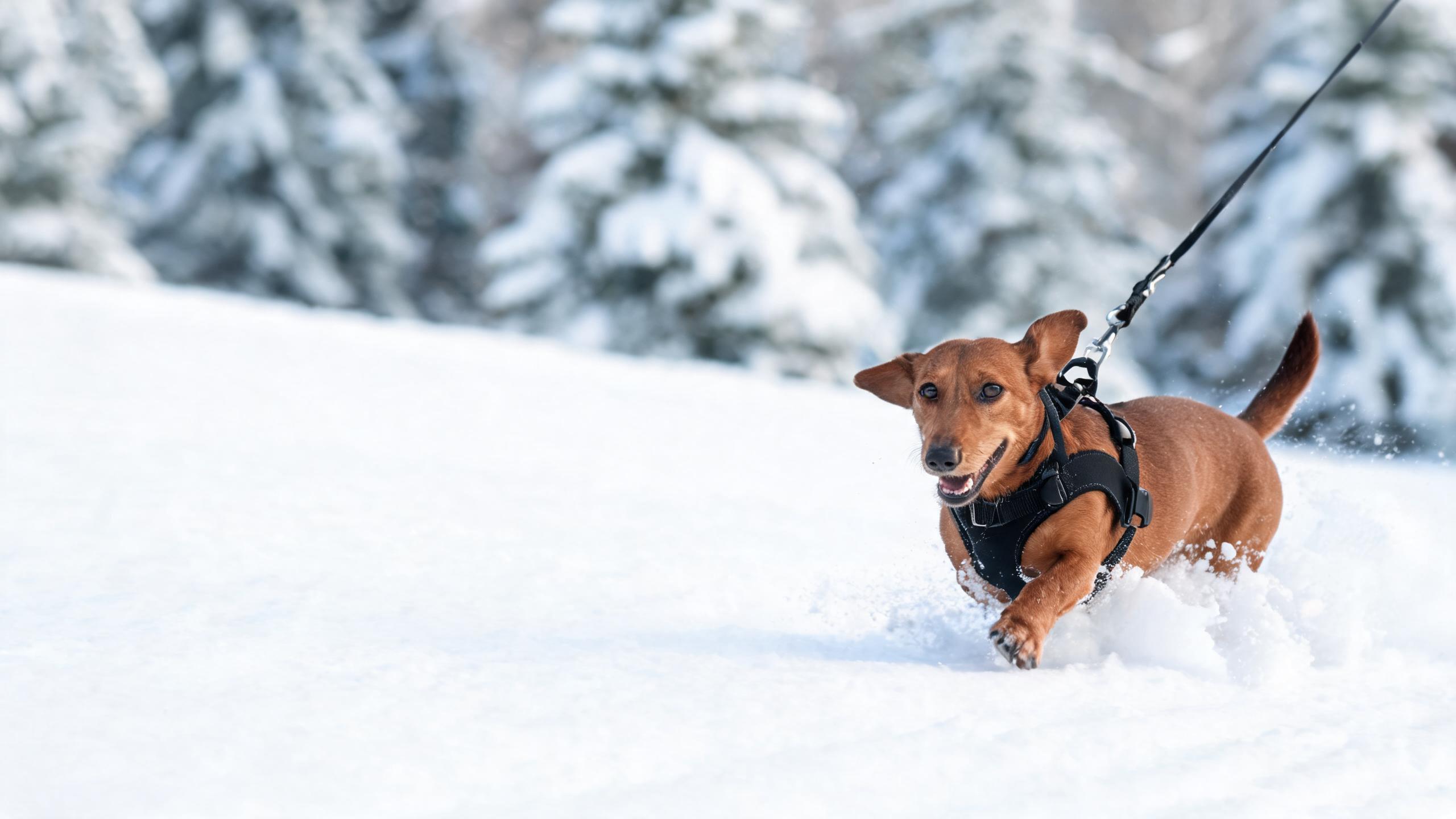
Skijoring lets your energetic dog pull you on cross-country skis through snow. Get tips on breeds, gear, training, and safety for this thrilling winter activity that keeps you both fit.
Picture this: fresh powder crunching under your skis, crisp air filling your lungs, and your dog charging ahead, tail wagging like a propeller. Winter doesn't have to mean couch time for you and your pup. Skijoring turns snowy trails into your personal playground.
Quick Takeaways
- Skijoring combines cross-country skiing with your dog pulling you via a harness and line – fun for dogs over 35 pounds with stamina.
- Northern breeds like Huskies shine, but high-energy Labs, Shepherds, and even some smaller dogs can join in recreationally.
- Gear up with dog-safe harnesses, towlines, and basic ski stuff; add coats for thin-coated breeds.
- Start slow with short sessions, build training on dry land first, and always prioritize safety.
- Vets recommend a pre-activity checkup – a University of Minnesota study on working dogs showed 20% fewer injuries with proper conditioning.
What is Skijoring, Anyway?
And here's the thing: skijoring isn't some elite sport reserved for pros. It's Norwegian for "ski driving," blending cross-country skiing with a dash of dog sledding. You strap on skis and poles, hook your dog to you with a padded harness and towline, and off you go. Your pup pulls, you glide and pole – teamwork at its finest.
I've watched buddies transform grumpy winter walks into epic adventures this way. Dogs that bounce off walls suddenly have a job. One session can burn 500-800 calories for you and double that effort for a 50-pound dog, based on estimates from canine exercise physiologists. No wonder it keeps everyone lean and happy.
But not every pup's cut out for it right away. Sound familiar if your dog's glued to the window during snowstorms?
Want to support your pet's skin, coat, and joints naturally? Try PetJesty's Vegan Omega Oil — 100% plant-based, developed with vets.
Picking the Perfect Skijoring Dog
Look, any dog that lives to run and hits at least 35 pounds can give skijoring a shot. Smaller ones? They might not haul much, but letting your 20-pound terrier "help" won't hurt – it's about the joy, right?
Heavy-coated Northern types – think Huskies, Malamutes, Samoyeds – dominate trails because they laugh at sub-zero temps. Pulling breeds like Bulldogs or Staffies bring raw power. Fast runners? Greyhounds, Labs, Goldens, German Shepherds, and pointers keep pace effortlessly.
> "Dogs with a natural pull instinct and cold tolerance turn skijoring into poetry in motion – but training makes all breeds contenders." – Paraphrased wisdom from trail veterans I've chatted with.
Honestly, distraction-proof dogs win big. Ever had yours veer toward every squirrel? Work on that first. A 2018 Journal of Veterinary Behavior paper on sled dogs noted focused pullers covered 15% more distance without handler corrections.
My opinion? Skip competitions unless you're hooked – recreational skijoring beats racing stress any day.
Breeds That Crush It
- Powerhouses: Huskies, Malamutes (handle -20°F like champs).
- Speed Demons: Greyhounds, Retrievers (zoom on packed snow).
- Tough Pullers: Mastiffs, Terriers (built for load).
Thin coats like Dalmatians? Early/late winter works best, or bundle 'em up.
Gear Up Right – No Shortcuts
Basic cross-country skis, poles, and boots? Check. Now the skijoring specifics:
- Dog harness: Padded, sled-style, fits chest not neck. Avoid collars – they choke.
- Your harness: Waist belt with quick-release buckle. Shock-absorbing towline (8-12 feet) connects you two.
- Extras: Dog coat for short fur, booties if paws crack, headlamp for dusk runs.
Hunt reputable online spots for gear tested on dogs. Prices start around $50 for harnesses, $100 full kits. Cheap stuff snaps – not worth the risk.
And for nutrition? Active pullers need joint support. PetJesty's Vegan Omega 3,6 & 9 Algae Oil keeps those hips supple during long hauls – algae beats fish oil for purity, and dogs love the taste.
Training and Safety: Build It Smart
Don't dump harness on day one. Start dry-land style.
Step-by-Step Starter Plan
- Harness intro: Let pup wear it around the house, reward calm.
- Dry pulling: Bikejoring or canicross in summer/fall. Short 5-minute bursts.
- Snow ease-in: Walk-skijor hybrids, 10-15 minutes. Gradually let them pull.
- Build endurance: Aim for 30-60 minutes, 3x/week. Watch for fatigue.
Common sense rules: Vet check first – heart, joints, hips. Pack water (snow's not enough), first-aid, poop bags. Yield to snowshoers, fatbikes, horses.
Clubs? Search local skijoring groups for group runs – they're gold for tips. One Midwest group I know logs 100+ miles per member seasonally.
But winter hazards lurk. Hypothermia hits thin-coated dogs fast; paws burn on salted roads. A Colorado State University vet review pegged paw injuries at 25% in untrained winter athletes – booties fix that.
Here's a meandering thought: I remember my first skijor with a borrowed Husky mix. We tumbled twice, laughed hard, and by outing three, we flowed like pros. That bond? Priceless. Your dog might surprise you.
Trail etiquette matters too. No chasing wildlife, stick to dog-friendly paths. Overdo it? Pulled muscles happen – rest, ice those hocks.
Skijoring's not just exercise; it's partnership. Gloomy winters fade when you're flying together.
Keep adventures rolling safely, and toss in PetJesty omegas for peak performance. That's the Royal Pet way – fueling real bonds and boundless energy.