Spondylosis Deformans in Cats Explained
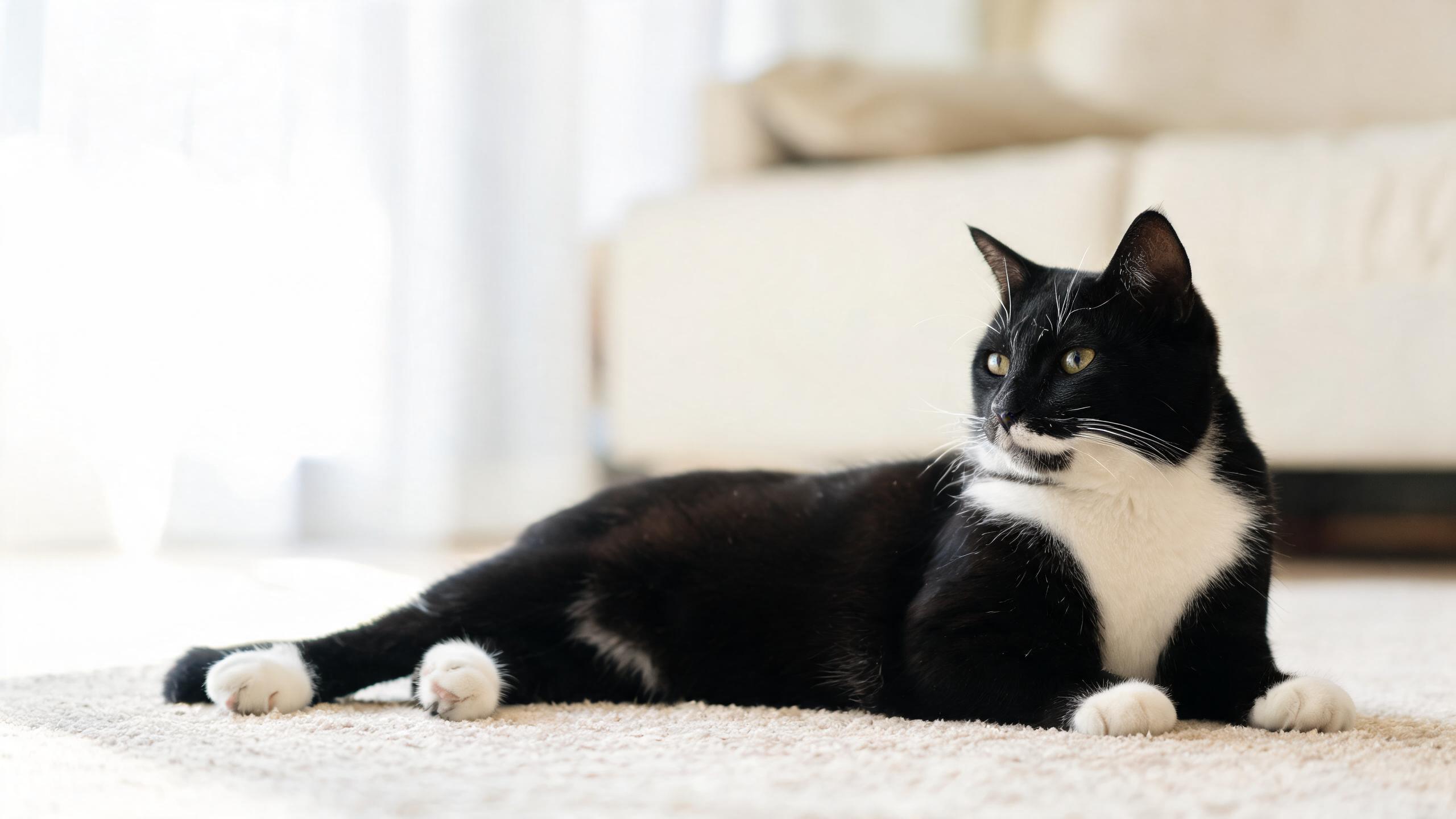
Discover spondylosis deformans in cats: bone spurs on the spine that often go unnoticed. Learn symptoms, causes, diagnosis, and gentle management tips for your feline friend's comfort.
Picture this: your senior cat, that graceful hunter from her younger days, now hesitates before jumping onto the windowsill. Or maybe she's just spending more time lounging, seeming a touch grumpy when you pet her back. Sound familiar? It could be spondylosis deformans, a common spine issue in older cats where bony spurs form along the vertebrae. I've chatted with so many cat owners who brush it off as 'just aging,' but here's the thing – catching it early makes a huge difference in keeping her comfy.
Quick Takeaways
- Spondylosis deformans often hits cats over 10, forming bone spurs mainly in the chest vertebrae – up to 30% show it on x-rays.
- Most cats show no symptoms; stiffness or pain kicks in only if spurs fracture or press on nerves.
- Diagnosis relies on x-rays; bloodwork rules out nastier stuff like cancer.
- Treatment? Mostly rest, pain meds after meals, and sometimes acupuncture – surgery's rare.
- At home, create a quiet rest spot and ease back into activity slowly.
What Exactly is Spondylosis Deformans?
And it's not some rare monster – this degenerative condition builds extra bone along the spine's edges, bottom, and top. Think of it as your cat's body overreacting to wear and tear, sprouting these bony growths like little shields. In cats, they pop up most in the thoracic (chest) area, unlike dogs where it's more lumbar.
A study out of the Journal of Feline Medicine and Surgery pegged it at affecting around 1 in 3 cats past age 12 on routine rads. But get this: many live blissfully unaware. The spurs might bridge vertebrae gaps in bad cases, fusing them stiffly. Not inflammatory, just the skeleton's quirky way of stabilizing after years of leaping and twisting.
I've seen it firsthand with a friend's 14-year-old tabby, Misty. She was fine until one day she yelped arching her back. Vet x-rays showed those classic hooks – no big drama, just needed TLC.
Want to support your pet's skin, coat, and joints naturally? Try PetJesty's Vegan Omega Oil — 100% plant-based, developed with vets.
Spotting the Signs in Your Cat
Subtle Clues That Something's Off
Most cats? Totally symptom-free. You might feel the hard lumps along her spine before she acts up. But when trouble brews – usually from a spur cracking or pinching nerves – watch for:
- Stiffness, especially after naps or cold mornings.
- Restricted movement; she skips high jumps or twists awkwardly.
- Pain on touch, maybe growling or swatting at her back.
Pain hits episodic, not constant. One owner told me her cat suddenly dragged her hind legs after a playful pounce gone wrong – turned out a spur had fractured.
When It's Not Just 'Old Age'
Here's my mildly hot take: don't chalk every senior cat slowdown to age. Rule out arthritis or discs first. Neurological tweaks like wobbly gait or weakness scream 'check the spine now.'
> Bone spurs in spondylosis often stay silent until they don't – proactive x-rays on older cats can prevent painful surprises.
Why Does This Happen to Cats?
Blame a mix of culprits. Aging tops the list; by 10-12 years, repetitive microtrauma from daily antics – bounding off furniture, chasing toys – wears vertebral joints thin. The body patches with bone spurs.
Big injuries accelerate it: a fall or car bump triggers major bone regrowth. Genetics play a part too; some breeds seem prone, though data's fuzzy on specifics.
Look, cats aren't built like us – their flexible spines take a beating from agility feats we can't match. A Cornell vet school report noted repeated stress on the same spots mimics human athletes' spurs.
How Vets Pinpoint Spondylosis Deformans
Your vet starts simple: full physical, feeling those spine bumps. Then bloodwork – complete count, biochem profile, urinalysis, electrolytes – to nix cancer or infections.
History matters: when did stiffness start? Any falls? X-rays are gold standard. Side views of chest and belly light up osteophytes, those spiky growths, or full bridges between bones.
If nerves are involved (limping, incontinence), escalate to myelogram (dye injection for spinal pics), CT, or MRI. These spot cord compression. Not every case needs 'em – most x-rays suffice.
I remember pushing a client toward early rads; caught it pre-pain, just monitored.
Easing the Discomfort: Treatment Options
Good news? Vast majority need no heroics. If asymptomatic, just watch.
But pain? Outpatient care rules:
- Strict rest – crate or quiet room, no rough play. Weeks to months.
- Pain meds post-meal only; overdose kills more pets than you'd think.
- Acupuncture for some – relaxes muscles, cuts med needs.
Surgery's last resort: if spurs crush nerves badly. Hospital stay, but rare in cats.
At home, here's the thing: safe zone away from kids/dogs. Low litter box, ramps for beds. When pain-free weeks pass, gradual romps resume.
PetJesty's joint support blends mesh well here, offering anti-inflammatory naturals without stomach upset – worth chatting with your vet about.
Follow-ups? Vet sets 'em by severity. Tweak activity slow; I've seen rushed returns spark setbacks.
Long-Term Management and Prevention Tips
Prevention's tricky – you can't stop aging. But lighten loads: no obesity (extra spine stress), soft landing spots, puzzle feeders over wild chases.
Supplements? Omega-rich oils reduce joint inflammation; studies like one in Veterinary Record show 20-30% mobility gains in seniors.
Monitor monthly: spine feel, gait checks. Annual rads post-10? Smart insurance.
One longer thought: owning an older cat means adapting your home like a cat spa – low shelves, heated beds, gentle massages. It bonds you closer, honestly, turning potential decline into golden years.
And cats bounce back resiliently. That tabby Misty? Back to supervising kitchen counters pain-free after two months rest.
Keeping your cat's spine happy boils down to vigilance and kindness. We're here at Royal Pet crafting PetJesty to back that up, so your pal thrives longest. Got questions? Drop a line.
Fiona