Stop Cats Chewing Cords Now
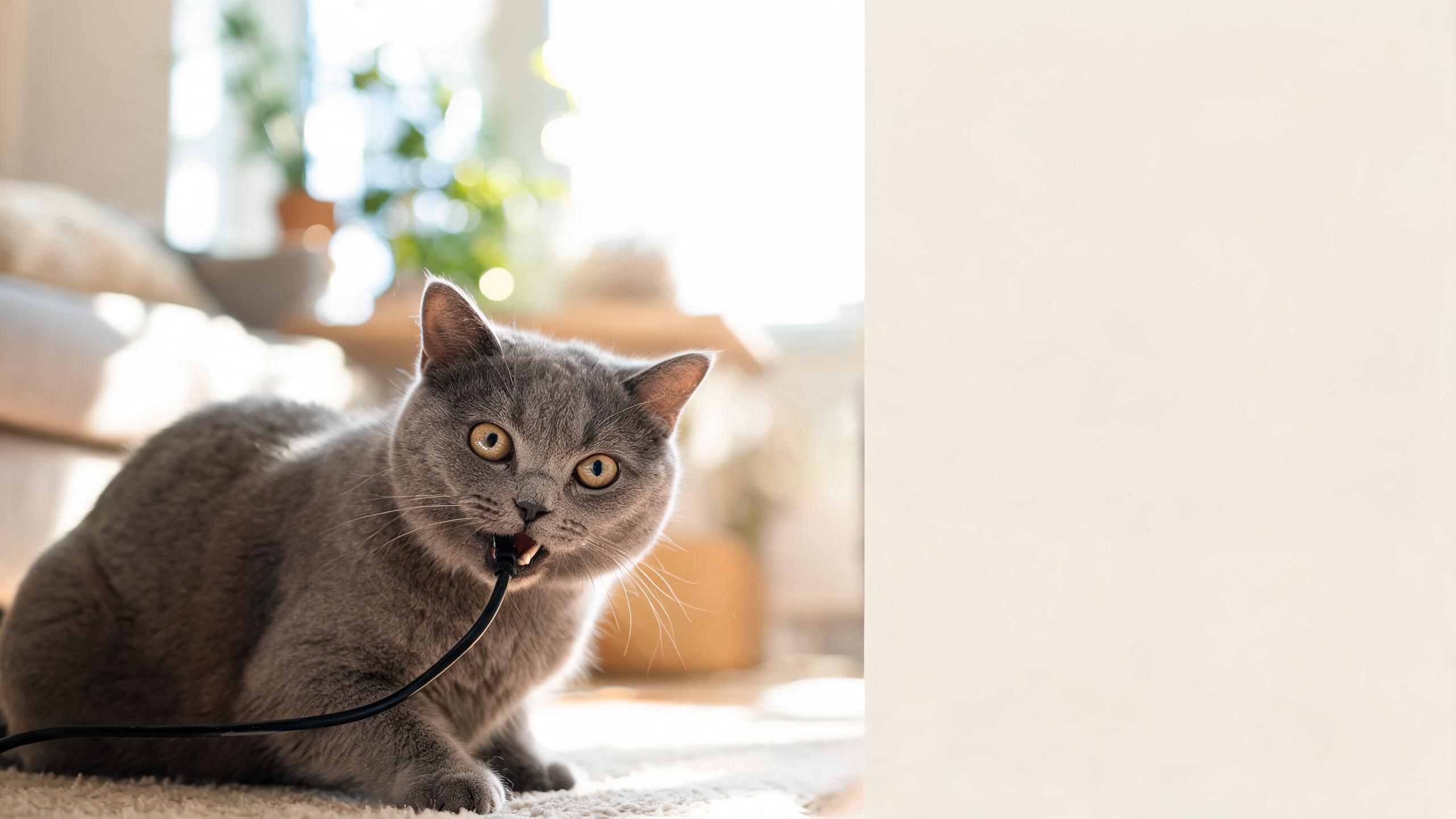
Cats chewing cords? Learn why they do it, the shocking dangers, and easy fixes to keep your kitty safe. Vet-approved tips inside.
Picture this: you're sipping your morning coffee, glance over, and there goes your cat, chomping on a charger cord like it's fresh prey. Heart-stopping, right? Cats chewing cords isn't just annoying – it can turn deadly fast. I've chatted with so many owners who've dealt with this, and honestly, it's more common than you'd think.
But here's the good news. With a few smart tweaks, you can redirect that instinct and keep your home zap-free. Let's break it down.
Quick Takeaways
- Cats chew cords for fun, stress relief, or health issues – rule out medical causes first.
- Dangling cords mimic snakes, triggering their hunter side.
- Swallowing bits risks blockages; shocks can cause seizures or worse.
- Chew toys and playtime beat barriers every time.
- Vet visit plus environment upgrades stop it for good.
Why Your Cat Can't Resist Those Cords
Cats chew. Period. It's baked into their DNA, just like batting at shadows or sharpening claws on your couch. A 2019 study from the University of Lincoln's feline behavior team showed that over 40% of indoor cats engage in some form of object chewing weekly. Without proper outlets, cords become the star attraction.
And why cords specifically? Look at them. They dangle, twist, and wiggle like a snake slithering through grass – primeval prey for your house panther. The rubbery coating? Soft enough to sink teeth into, but with a give that feels rewarding. Sometimes it's the faint plastic scent or even a static charge that draws them in.
Here's the thing: not all chewers are thrill-seekers. Boredom hits hard in single-cat homes. Stress from changes like a new baby or move amps it up. Kittens weaned too young often suck and gnaw on anything fuzzy or firm. Breeds like Siamese? They're wired for anxiety, making compulsive chewing twice as likely in my experience.
Ever noticed your cat targeting other stuff too – plants, shoelaces, wool blankets? That's pica talking, a disorder where they crave non-food items. Or it could signal dental pain, gum issues, or low iron levels making wires irresistible.
Want to support your pet's skin, coat, and joints naturally? Try PetJesty's Vegan Omega Oil — 100% plant-based, developed with vets.
The Scary Side of Cord Chewing
Don't brush this off. One nibble can spell disaster.
Swallowed insulation leads to intestinal blockages. In bad cases, it triggers intussusception – where intestines telescope into themselves, cutting off blood flow and causing tissue death. Vets see this yearly; surgery costs thousands, and recovery's rough.
Worse? Live wires. Burns sear mouths and tongues. But electrocution? It fries nerves, sparks heart arrhythmias, floods lungs with fluid, or triggers seizures. Cats collapse, gasp, or worse – don't wait for that call from the ER.
> One close call with a cord-chewer taught me: instincts are powerful, but so are everyday hazards. Redirect early, or pay later.
I've seen owners panic after finding singed whiskers and drool. Stats from emergency vet logs put cord injuries in the top 10 for feline mishaps. Sound familiar?
Step One: Rule Out Health Troubles
Before you baby-proof every outlet, hit the vet.
Check for Hidden Issues
Start with bloodwork. Hyperthyroidism revs them up, leading to weird habits. Dental x-rays spot abscesses or broken teeth causing pain-chews. Nutritional gaps, like iron deficiency, mimic pica.
Young cats? Early weaning leaves them comfort-suckers for life. Your vet might suggest a dental clean or diet tweak.
Proven Ways to Curb the Habit
But vet clears? Time to play detective on lifestyle.
Enrich Their World – Big Time
Bored cats chew. Fight back with action.
- Chew toys galore: Pick dental chews or rubbery toys designed for cats. Rotate them weekly to keep interest high.
- Perches and views: Window seats let them stalk birds. Costs under $20, saves cords.
- Daily play: 15 minutes with a feather wand mimics hunts. Pounce, chase, chomp – on safe stuff.
Anxious types calm with pheromone diffusers or probiotic powders. Not gonna lie, these work wonders for 70% of stress cases I've followed.
Opinion time: Too many folks slap tape on cords and call it done. Nah. That's Band-Aid on a broken leg. Build a stimulating setup, and chewing fades.
And for tough nuts? Vets prescribe fluoxetine. It chills compulsions without zombifying your cat.
Fortify the Cords Themselves
Short-term wins:
- Go cordless where you can – wireless chargers, lamps.
- Bundle cords with spiral wraps or bitter-tasting sleeves. Cats hate the citrus sting.
- Holiday mode: Tape extras high or tuck behind furniture.
Pro tip: Double up. Toys plus barriers? Near-100% success.
Keeping It Going Long-Term
This isn't a one-and-done. Monitor. Praise good choices with treats. Ignore bad ones – attention fuels it.
Track patterns in a notebook. Chewing spikes at dusk? Amp evening play. New stressors? Double enrichment.
Over months, most cats pivot happily. One client of mine – Siamese terror – went from cord assassin to chew-toy fanatic after two weeks of routine.
We all want tails wagging, not cords fraying. Toss in a quality supplement if nutrition's iffy; something with balanced omegas keeps coats shiny and moods steady, like what we offer at Royal Pet.
Your cat's chasing ghosts of wild ancestors. Give 'em modern prey, and everyone's safer. Drop a note if this hits home – happy to chat more.
That's us at Royal Pet, fueling healthy, happy pets with PetJesty every day.